
















Aluminum vs. Silicone LED Profiles — Which One Should You Choose?
💡 Introduction
Choosing the right LED profile is more than a technical decision — it’s about design intent, functionality, and longevity.
For years, Aluminum LED profiles dominated the lighting world. But with evolving design needs — flexible forms, waterproofing, seamless diffusion — Silicone LED profiles have rapidly become the go-to choice for modern lighting professionals.
In this detailed comparison, we’ll explore the differences between Aluminum and Silicone LED channels in terms of:
-
Performance
-
Flexibility
-
Installation
-
Cost
-
Aesthetics and applications
By the end, you’ll know exactly which one suits your next lighting project.
⚙️ Understanding the Two Materials
|
Type |
Material |
Primary Use |
|
Aluminum LED Profile |
Extruded aluminum with plastic diffuser |
Rigid, linear lighting applications |
|
Silicone LED Profile |
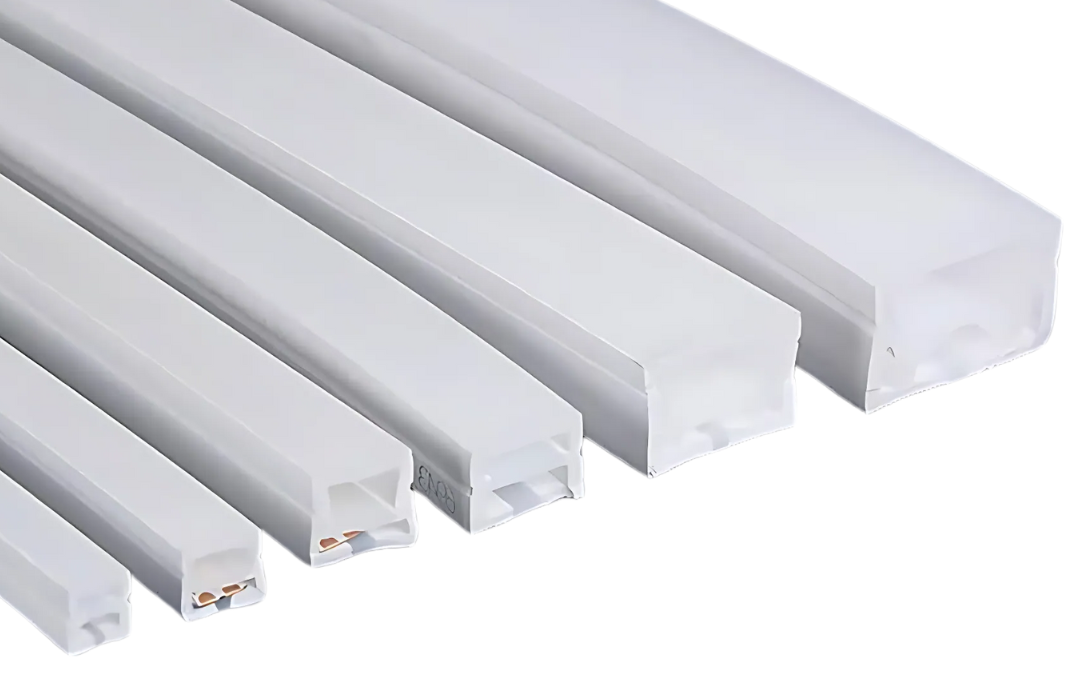
Flexible, high-grade silicone polymer |
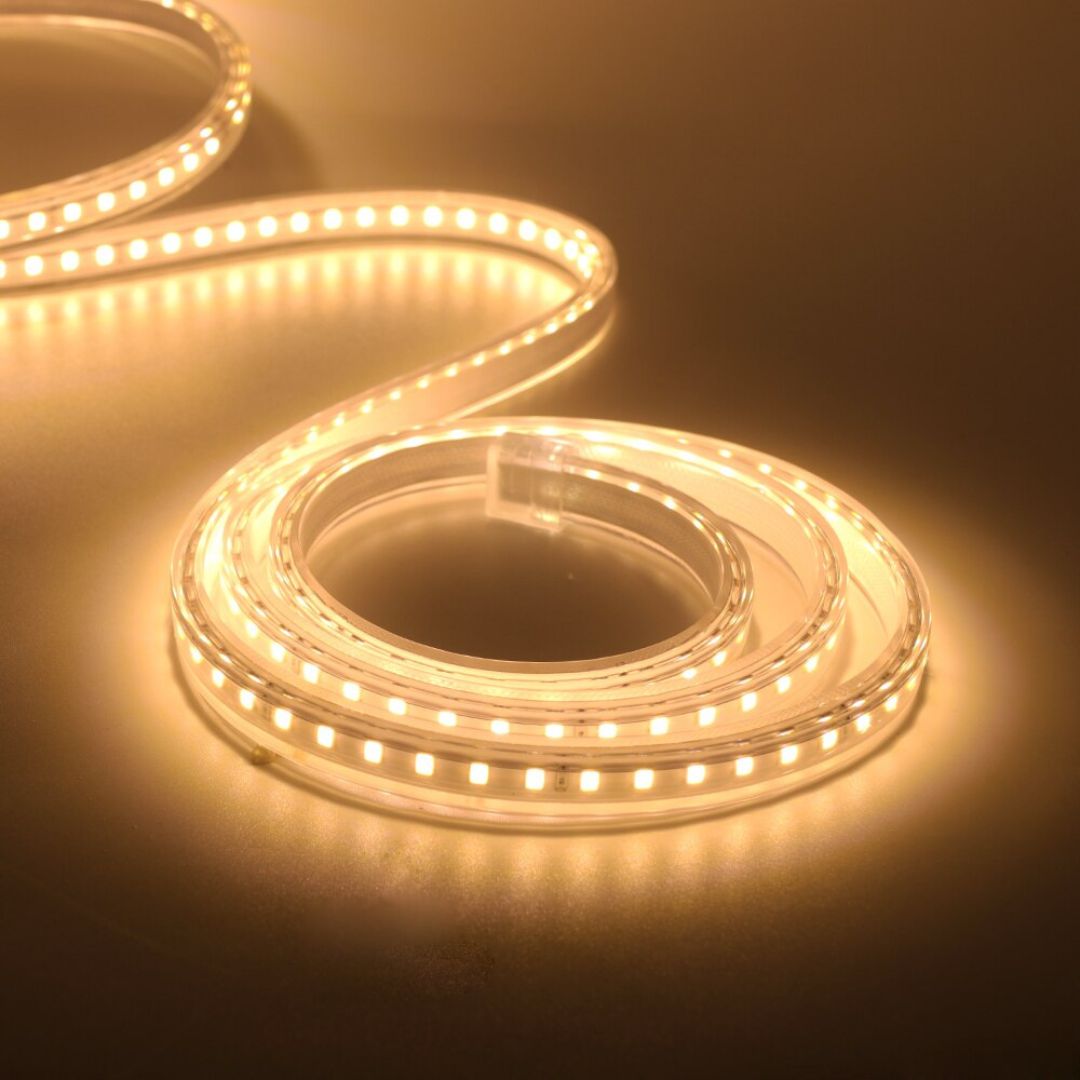
Bendable, waterproof, and seamless lighting designs |
🧩 Detailed Comparison
|
Feature |
Aluminum Profile |
Silicone Profile |
|
Flexibility |
Rigid |
Fully flexible (bend in curves, arcs) |
|
Diffusion |
Moderate |
Excellent — smooth, dot-free light |
|
Waterproofing |
Requires external sealing |
IP67 waterproof by default |
|
Durability |
Strong but prone to corrosion |
UV, chemical, and weather resistant |
|
Installation |
Needs channels and brackets |
Simple — glue, clips, or concealed mounting |
|
Design Aesthetic |
Industrial look |
Soft, modern, minimal appearance |
|
Heat Dissipation |
Superior |
Moderate (use quality strips) |
|
Cost |
Lower initial cost |
Slightly higher but long-term efficient |
|
Maintenance |
Requires frequent cleaning |
Low maintenance, dust-resistant |
|
Applications |
Indoor only (mostly) |
Indoor + outdoor versatile use |
🔍 When to Choose Aluminum LED Profiles
Ideal for:
-
Office and commercial interiors
-
Linear wall and ceiling channels
-
Under-cabinet task lighting
-
Environments with limited bending
Advantages:
-
Excellent heat dissipation (especially for high-power LEDs)
-
Rigid, precise alignment
-
Sleek metal finish for professional projects
Limitations:
-
Not suitable for curved or irregular installations
-
Requires diffusers that can yellow over time
-
Limited waterproof options
💡 When to Choose Silicone LED Profiles
Ideal for:
-
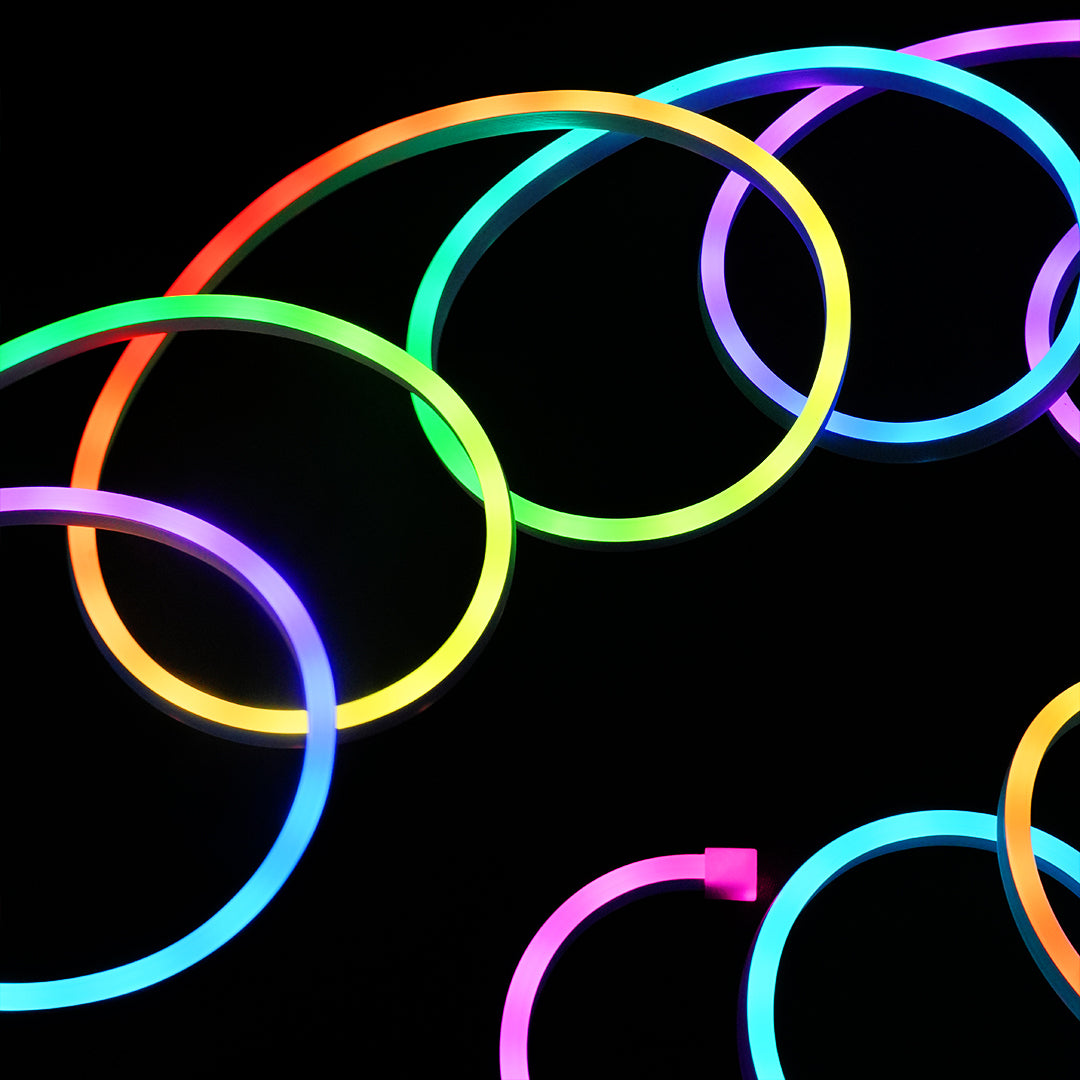
Curved, creative, or continuous lighting designs
-
Outdoor, wet, or humid environments
-
Architectural accents and façade outlines
-
Furniture integration and modular interiors
Advantages:
-
Highly flexible and bendable
-
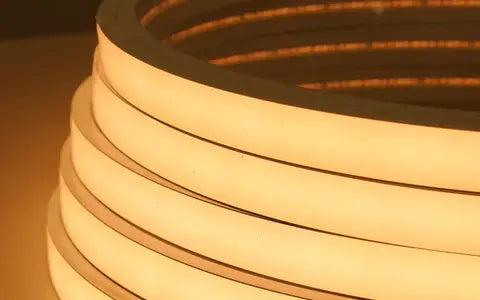
Seamless diffusion — no visible LED dots
-
Weatherproof (IP67) and UV resistant
-
Easy installation — cut to any length
-
Compatible with COB, RGB, and smart LED strips
Limitations:
-
Slightly less heat dissipation — requires quality low-heat LEDs
-
Higher upfront material cost
-
Needs clean sealing for long-term performance
🏗️ Real-World Use Case Comparisons
|
Application |
Recommended Profile Type |
Reason |
|
Office Ceiling Lighting |
Aluminum |
Linear, rigid channels |
|
Curved Wall Design |
Silicone |
Flexibility + aesthetic diffusion |
|
Outdoor Signage |
Silicone |
Waterproof + UV resistant |
|
Kitchen Task Lighting |
Aluminum |
Rigid, heat-dissipating |
|
Hotel Façade Lighting |
Silicone |
Seamless, weatherproof |
|
Cabinet Accent Lighting |
Both |
Depends on design style |
🛠️ Installation Differences
Aluminum Profiles
-
Require aluminum extrusion with diffuser cover
-
LED strips installed inside channel using brackets or clips
-
Typically surface or recessed mounted
Silicone Profiles
-
LED strips inserted directly into silicone channel
-
Can be glued, buckled, or embedded
-
Sealed with silicone end caps for waterproofing
-
Easier for curved or hidden applications
🌈 Visual Design Perspective
From a designer’s point of view:
-
Aluminum profiles create technical, sharp-edged lighting — great for offices or minimal interiors.
-
Silicone profiles deliver fluid, organic, and elegant light lines — perfect for architectural and residential creativity.
⚡ Performance and Longevity
|
Factor |
Aluminum Profile |
Silicone Profile |
|
Average Lifespan |
40,000–50,000 hours |
50,000–60,000 hours |
|
Yellowing Resistance |
Moderate |
Excellent |
|
Corrosion Resistance |
Medium |
Excellent |
|
Outdoor Suitability |
Limited |
Outstanding |
In long-term applications (outdoors, moisture-prone, or design-centric), silicone clearly provides superior performance.
💬 Expert Opinion
Architects and lighting designers increasingly prefer Silicone LED Profiles for both flexibility and finish.
They simplify installation, enhance diffusion, and enable custom-shaped light designs impossible with rigid aluminum.
That’s why many now treat silicone as the evolution — not just an alternative.
❓ FAQs
Q1: Can silicone LED profiles replace aluminum completely?
For most residential, decorative, and outdoor applications — yes. But for heavy-duty industrial lighting, aluminum remains useful.
Q2: Which one is better for heat management?
Aluminum dissipates heat better. For silicone, choose efficient low-heat COB or 24V strips.
Q3: Are silicone profiles more expensive?
Slightly, but long-term performance, flexibility, and waterproofing make them more cost-effective.
Q4: Can aluminum profiles be bent?
No, they’re rigid. Use silicone for any curved or custom-shaped applications.
Q5: Which profile is better for designers?
Silicone, because it enables creative, minimal, and smooth designs — especially with smart or RGBW LED systems.
💭 Final Thoughts
While aluminum LED profiles still serve traditional linear applications, silicone LED profiles are redefining what’s possible in modern lighting.
They offer superior flexibility, diffusion, waterproofing, and durability — all essential for the next generation of interior and architectural lighting.
If you’re designing spaces that demand creativity, longevity, and visual excellence, the choice is clear:
Choose Silicone. Choose Future Lighting.
🔗 Internal Links
-
Related: Blog #46 – Outdoor Lighting Design Using IP67 Silicone LED Profiles
-
Next: Blog #48 – How to Choose the Right LED Strip for Your Silicone Profile