















Outdoor Lighting Design Using IP67 Silicone LED Profiles – Durable, Elegant & Weatherproof Solutions
💡 Introduction
Outdoor lighting isn’t just about illumination — it’s about designing ambiance that lasts.
Whether it’s a villa façade, landscape pathway, poolside deck, or commercial storefront, the goal is the same:
durability, aesthetics, and performance in all weather conditions.
That’s where IP67 Flexible Silicone LED Profiles shine.
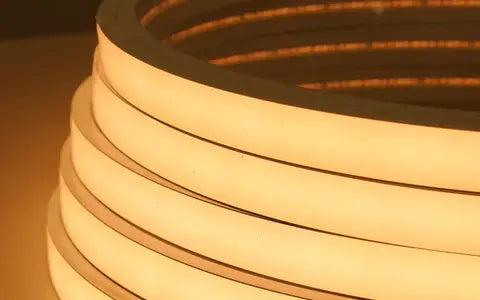
These profiles are engineered to resist water, UV rays, dust, and temperature extremes — all while offering beautiful, diffused lighting that elevates outdoor spaces.
In this guide, we’ll explore:
-
Why IP67 silicone profiles are ideal for outdoor lighting
-
Design applications and best combinations
-
Installation and maintenance tips
-
FAQs for architects and lighting designers
🧱 What Does IP67 Mean?
The IP rating (Ingress Protection) defines how well a product is protected from solid particles and water.
|
Rating |
Protection Against |
Meaning |
|
6 |
Dust-tight |
No ingress of dust, complete protection |
|
7 |
Water immersion |
Protected against immersion up to 1 meter for 30 minutes |
✅ IP67 silicone LED profiles are therefore both dustproof and waterproof — perfect for outdoor, wet, or dusty environments.
🌦️ Why Silicone LED Profiles Excel Outdoors
|
Feature |
Benefit for Outdoor Use |
|
UV Resistance |
Prevents yellowing or cracking under sunlight |
|
Temperature Tolerance (-40°C to 120°C) |
Ideal for all climates |
|
Waterproof Sealing |
Withstands rain, snow, and humidity |
|
Flexible and Bendable |
Suitable for curved facades and pathways |
|
Corrosion-Free Construction |
Unlike aluminum, silicone doesn’t rust or degrade |
|
Even Diffusion |
Provides soft, glare-free outdoor illumination |
🌳 Common Outdoor Applications
1. Façade Lighting
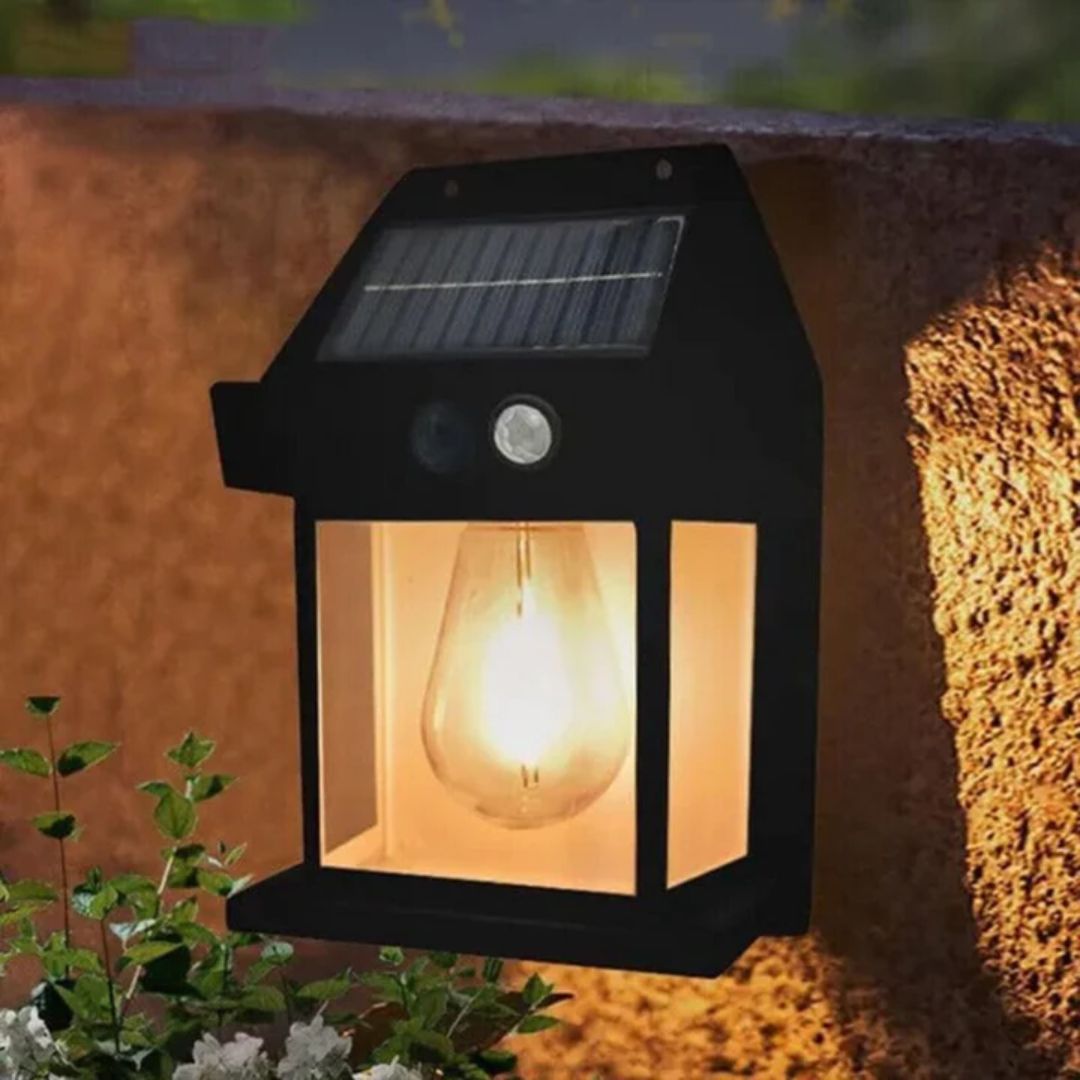
Highlight architectural features or building edges with Top View Silicone Profiles and 24V LED strips.
Perfect for modern residences, hotels, and commercial complexes.
2. Landscape Pathways
Embed Side View Silicone Profiles along pavements, driveways, or garden edges for safe, stylish pathway lighting.
3. Pool and Deck Lighting
Use IP67 waterproof profiles around pools, fountains, or decks.
Silicone ensures non-corrosive, slip-safe illumination.
4. Signage & Branding
Silicone LED channels allow creative lighting shapes — great for logos, outlines, and sign borders.
5. Balcony and Terrace Lighting
Soft, indirect lighting using D-Shape or 360° round profiles for luxurious balcony designs.
🧩 Choosing the Right Profile for Outdoor Use
|
Profile Type |
LED Strip Width |
View/Shape |
Best For |
|
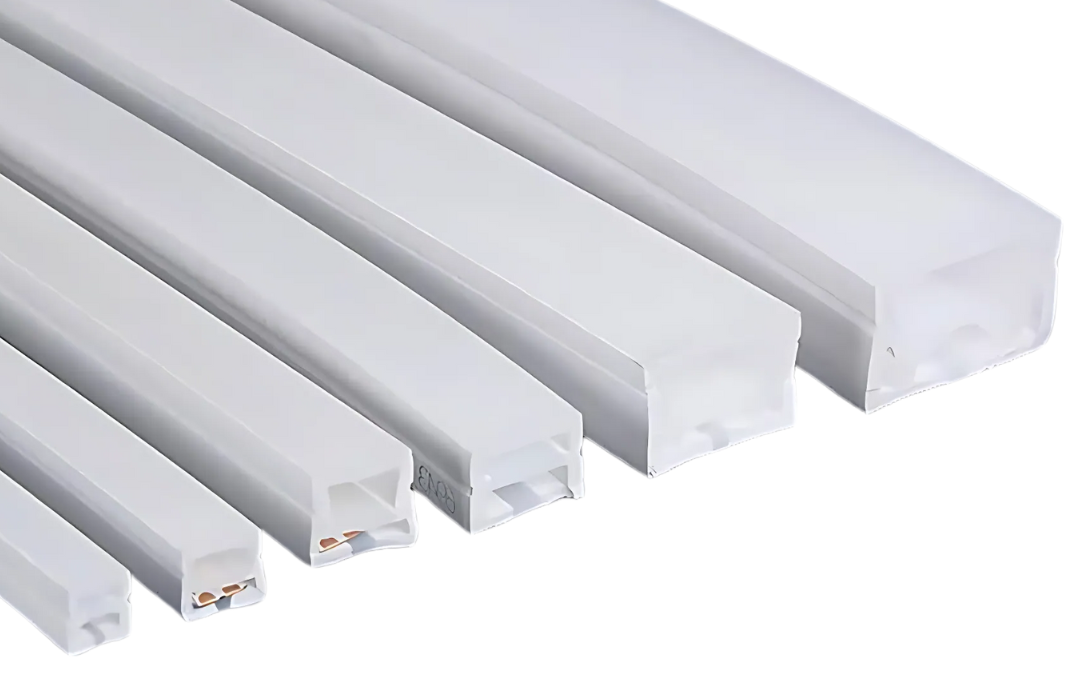
8mm x 8mm Top View |
5mm |
Top |
Façade outlines, trims |
|
13mm x 13mm Top View |
5–8mm |
Top |
Balcony rails, ceiling borders |
|
20mm x 20mm Top View |
5–15mm |
Top |
Pathway or signage lighting |
|
20mm 360° Round Profile |
8–15mm |
Round |
Pole lights, pendants |
|
16mm D-Shape 270° Profile |
8–12mm |
D-View |
Wall edges, decorative lighting |
|
22mm x 14mm V-Shape Profile |
8–12mm |
Corner |
Wall corners or stair edges |
Each model supports IP67 sealing, ensuring long-lasting performance even in extreme outdoor conditions.
⚙️ Recommended Lighting Configurations
|
Application |
Profile Type |
LED Strip Type |
Power Supply |
|
Pathway Lighting |
Side View 8x17mm |
Warm White 3000K |
24V Outdoor Driver |
|
Building Outline |
Top View 16x16mm |
Cool White 6000K |
24V Power Supply |
|
Signage & Branding |
Round 20mm |
RGB / RGBW |
DMX / Wi-Fi Controller |
|
Pool Deck |
D-Shape 270° |
Natural White 4000K |
IP67 Adapter |
🔧 Installation Guidelines for Outdoor Projects
-
Seal All Ends Properly:
Use end caps with silicone adhesive to maintain IP67 integrity. -
Use Metal Mounting Clips:
Prevents loosening due to weather changes or vibration. -
Check Power Distance:
Use amplifiers for LED runs longer than 5 meters to avoid voltage drop. -
Avoid Sharp Bends:
Maintain a minimum bend radius to prevent damage to the LED strip. -
Test Before Installation:
Always test illumination before sealing, especially in outdoor projects.
💬 Design Example: Villa Façade Lighting
Setup:
-
Profile: 16mm x 16mm Top View Silicone Profile
-
Strip: 24V COB LED, 4000K
-
Control: Wi-Fi Smart Controller
-
Mounting: Concealed aluminum track
Result:
A soft, linear glow outlining the villa’s geometry — weatherproof, elegant, and energy-efficient.
🌈 Benefits of IP67 Silicone LED Profiles Outdoors
-
Withstand rain, snow, UV rays, and dust
-
Retain clarity and brightness for years
-
Easy to install and cut to size
-
Safer than glass or aluminum profiles
-
Eco-friendly, made without mercury or toxic compounds
-
Ideal for residential, hospitality, and commercial projects
⚠️ Common Mistakes to Avoid
-
Leaving cable joints unsealed
-
Using non-waterproof connectors
-
Installing in submerged environments without proper sealing
-
Choosing incorrect LED voltage (12V instead of 24V for long runs)
❓ FAQs
Q1: Can IP67 silicone LED profiles be submerged underwater?
They’re water-resistant (rain, splash, immersion up to 1m) but not designed for permanent underwater use. For underwater projects, look for IP68 profiles.
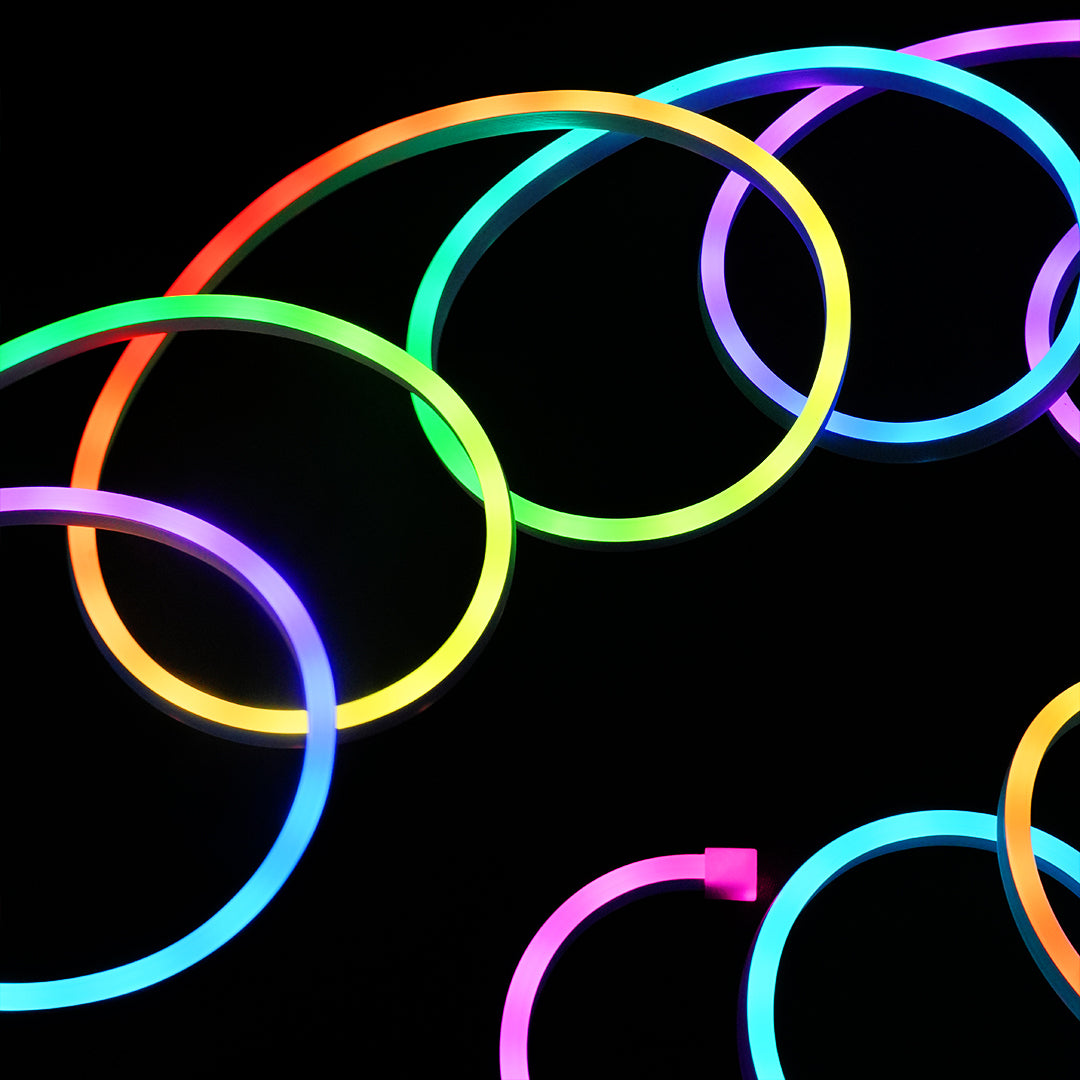
Q2: Do these profiles support RGB lighting?
Yes — RGB, RGBW, and CCT strips work perfectly in IP67 silicone channels.
Q3: Can these profiles handle high temperatures?
Yes, silicone withstands up to 120°C, suitable for hot climates.
Q4: How long do outdoor silicone LED profiles last?
Typically 50,000+ hours, depending on LED quality and installation.
Q5: Are they safe for public installations?
Absolutely — silicone profiles are shock-resistant, flexible, and UV-safe.
💭 Final Thoughts
Outdoor lighting demands reliability without compromise — and IP67 Flexible Silicone LED Profiles deliver just that.
They protect, diffuse, and enhance LED strips, turning harsh outdoor conditions into opportunities for artistic, functional illumination.
Whether outlining architecture, defining landscapes, or branding commercial spaces — silicone LED profiles make outdoor lighting smarter, sleeker, and longer-lasting.
🔗 Internal Links
-
Related: Blog #45 – COB LED Strips + Silicone Profiles
-
Next: Blog #47 – Comparing Aluminum vs. Silicone LED Profiles: Which One Should You Choose?