















How to Choose the Right LED Strip for Your Silicone LED Profile
💡 Introduction
When it comes to achieving seamless, professional-quality LED lighting, the magic lies in one critical decision — pairing the right LED strip with the right silicone profile.
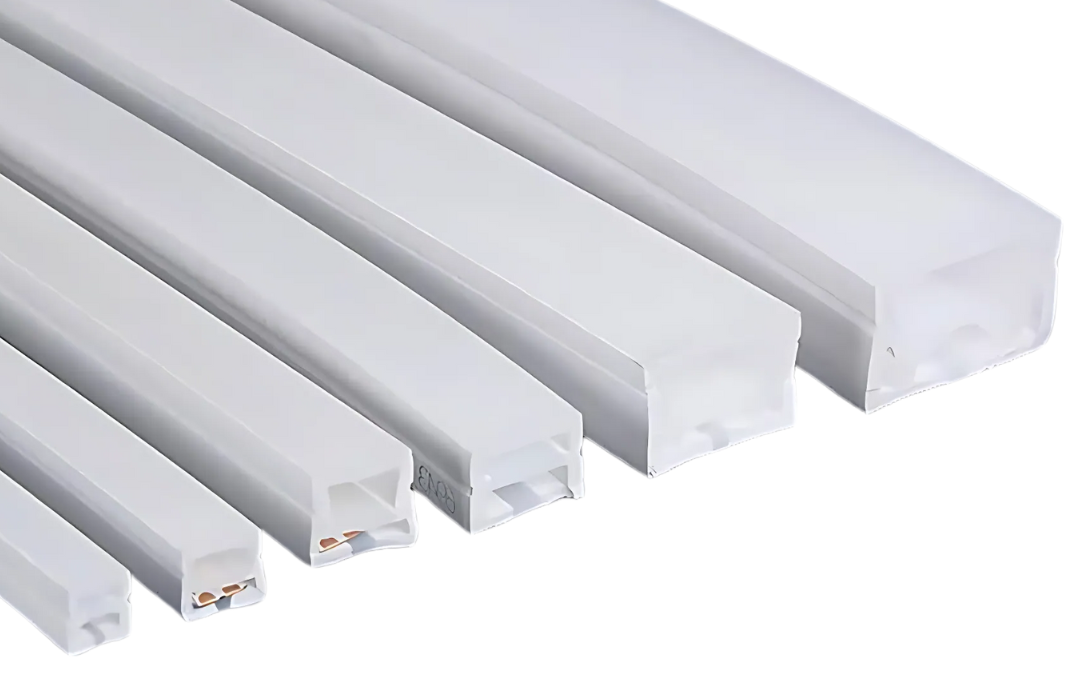
Even the best flexible silicone LED diffuser can’t perform well if it houses the wrong LED strip. Issues like uneven brightness, overheating, or visible dots often come from poor pairing — not from the profile itself.
This guide will help you understand exactly which LED strips work best with each silicone profile type — whether for indoor elegance, outdoor durability, or architectural creativity.
⚙️ The Three Key Factors to Consider
-
Profile Type (View Direction)
-
Top View
-
Side View
-
Conceal or Corner View
-
LED Strip Size (Width in mm)
-
Match the internal width of the silicone profile (e.g., 5mm, 8mm, 10mm, 12mm)
-
Lighting Purpose
-
Ambient / Accent lighting
-
Task / Functional lighting
-
Outdoor / Architectural illumination
🧩 Recommended LED Strip Pairings by Profile Type
|
Silicone Profile Type |
Compatible LED Strip Width |
Recommended Strip Type |
Typical Use Case |
|
8x8mm Top View |
5mm |
COB LED Strip |
Cove and recessed accent lighting |
|
10x10mm Conceal View |
8mm |
120 LEDs/m SMD Strip |
Furniture and concealed ceiling channels |
|
12x12mm Top View |
8mm–10mm |
COB / 2216 LED Strip |
Modern wall lines, false ceiling effects |
|
16x16mm Top View |
5mm–12mm |
High brightness 2835 / 3528 Strip |
Indoor-outdoor facades, signage outlines |
|
16x16mm Side View |
8mm |
COB LED Strip |
Circular, side-lit curves and edges |
|
20x20mm Side View |
10mm–12mm |
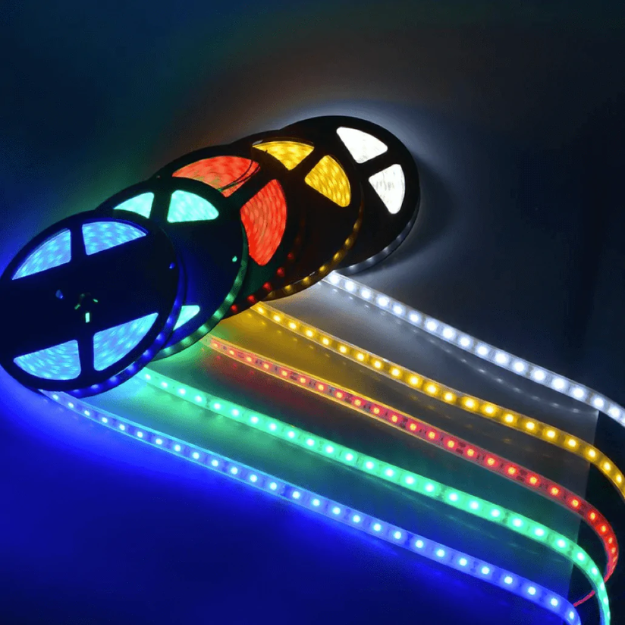
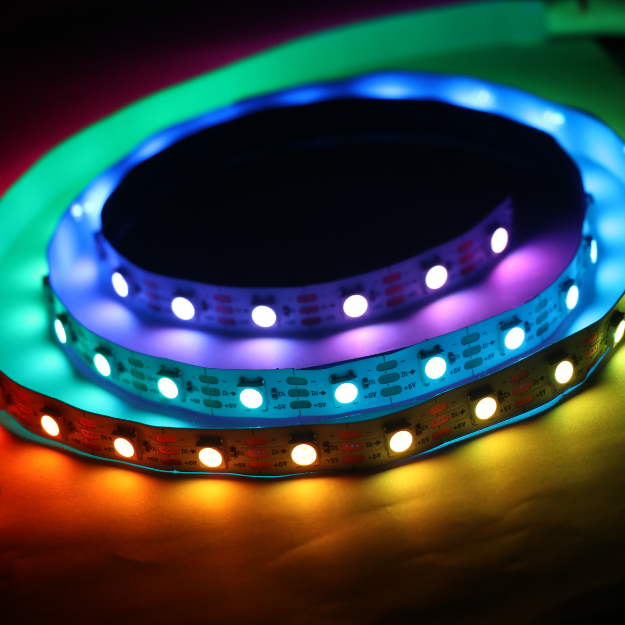
RGB/RGBW Strip |
Decorative and color-changing features |
|
IP67 Outdoor Profiles |
8mm–12mm |
Waterproof 5050 or COB Strip |
Outdoor architectural and landscape lighting |
🔍 Matching Light Output with Design Intent
1. For Diffused Ambient Lighting
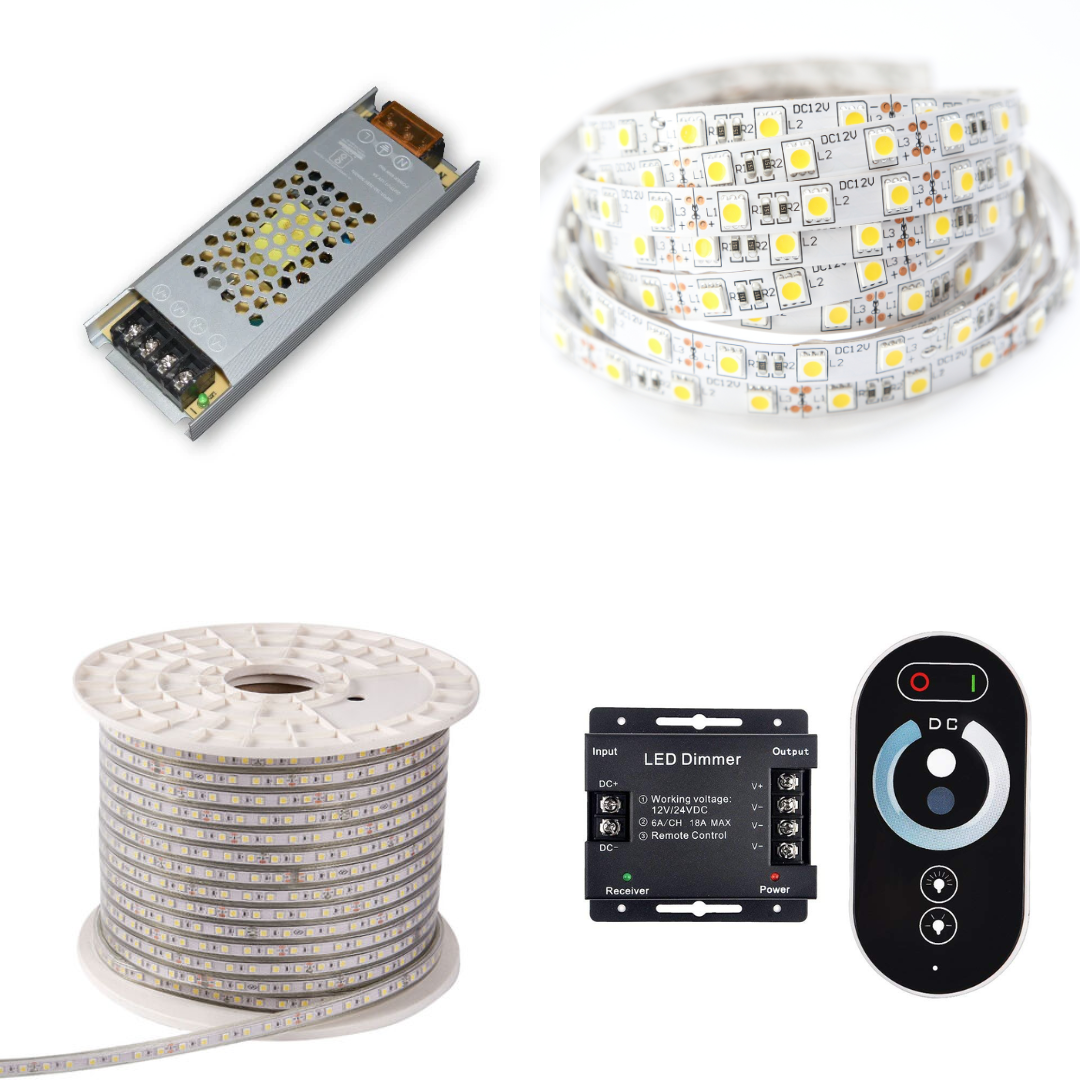
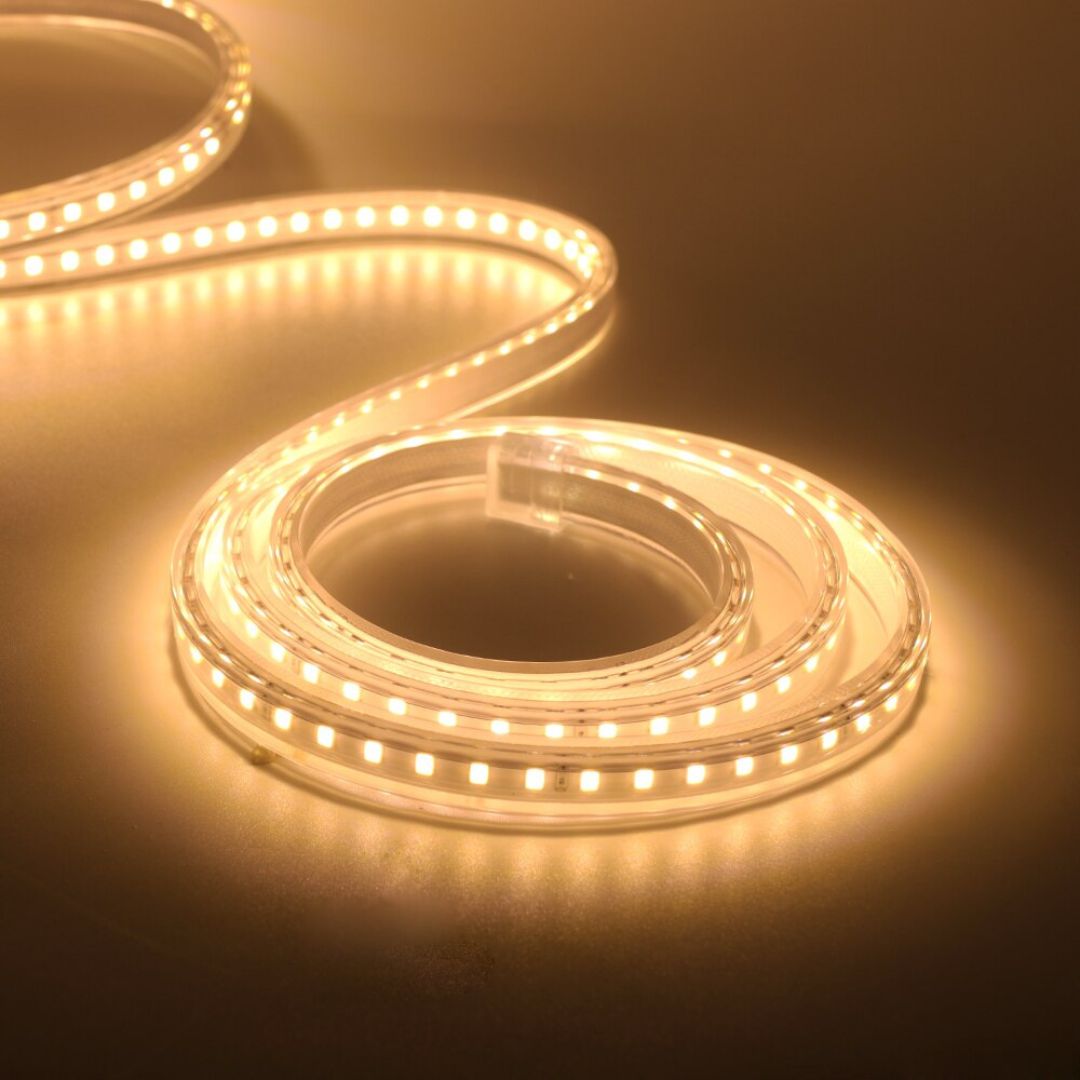
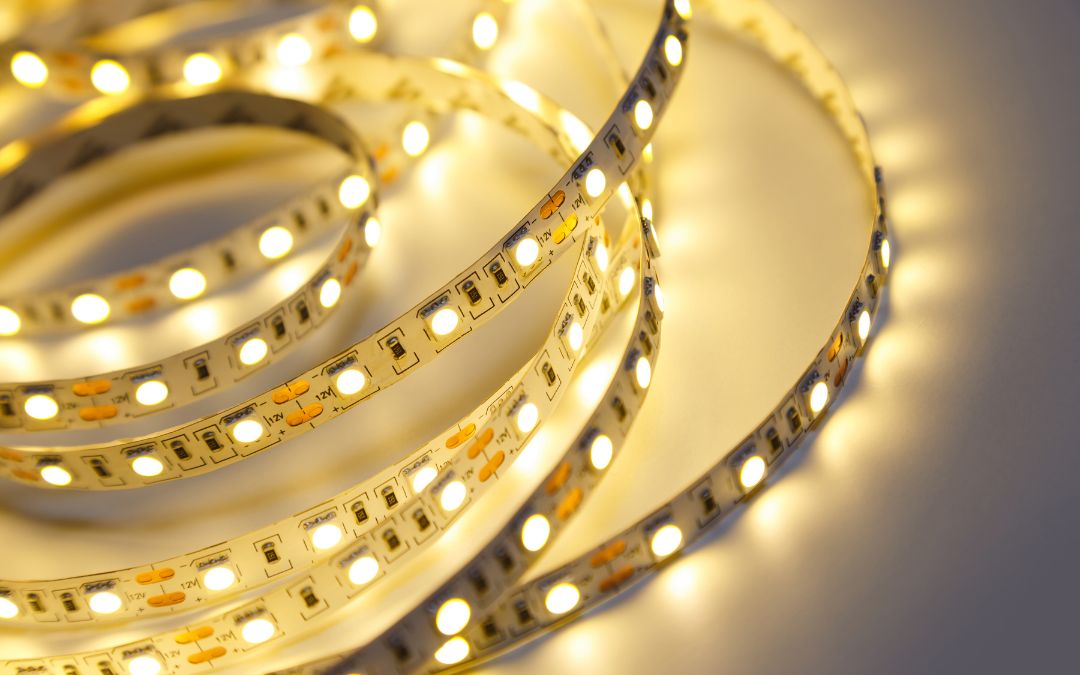
Use COB (Chip on Board) LED strips.
They offer dot-free light, excellent consistency, and are perfect for narrow silicone diffusers.
2. For Accent and Decorative Lighting
Use SMD 2216 or 2835 strips.
They provide a balanced brightness ideal for under-cabinet, wall groove, or display illumination.
3. For Outdoor and Harsh Environments
Use IP65/IP67 rated waterproof LED strips with UV-resistant silicone profiles — like the Top View 16x16mm or Side View 20x20mm.
4. For Smart Lighting and Color Effects
Use RGB or RGBW strips inside flexible side-view profiles, allowing smooth color transitions and dynamic light scenes.
⚡ Pro Tips for a Perfect Fit
✅ Measure twice, install once — Always check the inner width of your profile and the strip width (in mm).
✅ Mind the wattage — Overpowered strips can overheat silicone housings.
✅ Choose uniform LEDs/m — For smooth diffusion, use 240 LEDs/m or COB strips.
✅ Avoid air gaps — Ensure strips are firmly pressed into the profile.
✅ Seal ends properly — For waterproof setups, use silicone end caps and UV-resistant glue.
💬 Common Mistakes to Avoid
🚫 Using wide strips (e.g., 12mm) in narrow channels (e.g., 8mm profile) — causes warping.
🚫 Ignoring LED density — low-density strips create visible dots.
🚫 Overpowering the strip — leads to premature yellowing.
🚫 Skipping thermal management — affects LED lifespan.
🏗️ Real-World Example
Project: Outdoor façade lighting for a hotel
Profile: 16x16mm Top View Flexible Silicone LED Profile
LED Strip Used: 10mm wide, IP67-rated COB 24V Strip
Result:
-
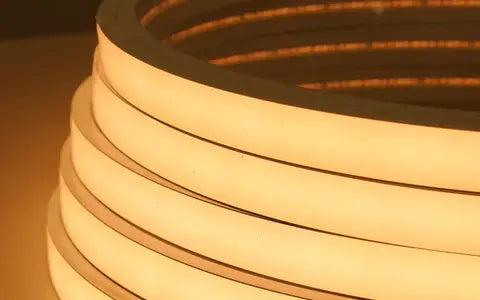
Seamless continuous glow along the entire structure
-
No visible LED points, even in wet or humid conditions
-
Long-term stability and minimal maintenance
🌈 Brightness & Wattage Reference Guide
|
Application |
Recommended Brightness (lm/m) |
Wattage (W/m) |
Profile Type |
|
Ambient Lighting |
400–700 lm/m |
4–6W/m |
8x8mm / 10x10mm |
|
Task Lighting |
800–1200 lm/m |
7–10W/m |
12x12mm |
|
Architectural Highlighting |
1000–1500 lm/m |
10–12W/m |
16x16mm / 20x20mm |
|
Outdoor / Façade Lighting |
1200–2000 lm/m |
12–16W/m |
IP67 Top/Side View |
🧠 FAQs
Q1. Can I use any LED strip with a silicone profile?
Not necessarily — the width and brightness must match the profile specifications.
Q2. What’s the best strip type for continuous, dot-free light?
COB (Chip-on-Board) LED strips are ideal for smooth, uninterrupted diffusion.
Q3. Can RGB strips work in narrow profiles?
Yes, use 8–10mm wide RGB strips for top or side view silicone diffusers.
Q4. Are silicone profiles compatible with 24V LED strips?
Absolutely. In fact, 24V is preferred for longer runs with minimal voltage drop.
Q5. How do I ensure waterproof performance?
Use IP67-rated strips with sealed end caps and high-quality silicone adhesive.
🧾 Summary
Choosing the right LED strip for your silicone profile is the foundation of perfect lighting design.
Get it right, and your installation will look professional, efficient, and long-lasting.
✅ Match width and direction (top/side view)
✅ Use COB or high-density strips for smooth light
✅ Seal properly for outdoor use
✅ Always test brightness and diffusion before final installation
🔗 Internal Links
-
Related: Blog #47 – Aluminum vs. Silicone LED Profiles: Which One Should You Choose?
-
Next: Blog #49 – Manufacturing Excellence: Made-in-India Silicone LED Profiles
-
Explore all profiles here → Chronos Flexible Silicone LED Profiles