





















The Science of Diwali Lighting: Why Warm Light Makes You Feel Happy
Reading time: 6 min | Updated: October 2026
The Psychology + Biology of Light
Ever notice:
- Hospital lights → Feel sick
- Restaurant warm lights → Feel relaxed
- Harsh white lights → Feel anxious
- Warm yellow Diwali lights → Feel... happy
There's actual science behind this.
Color Temperature 101
Measured in Kelvin (K):
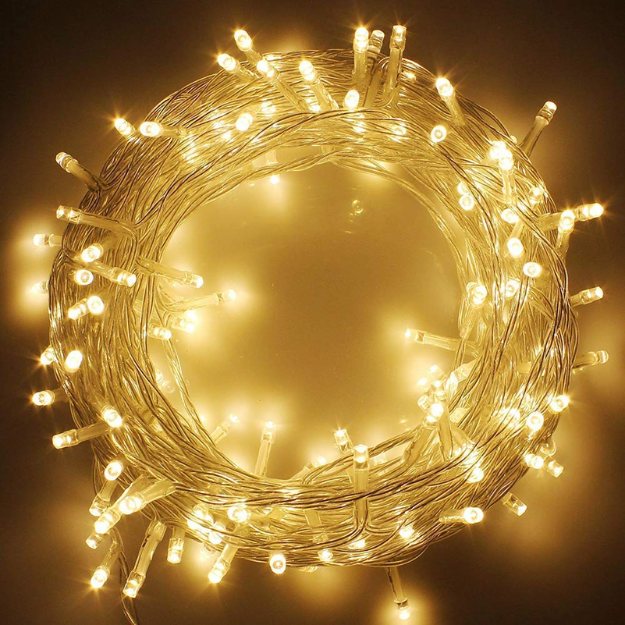
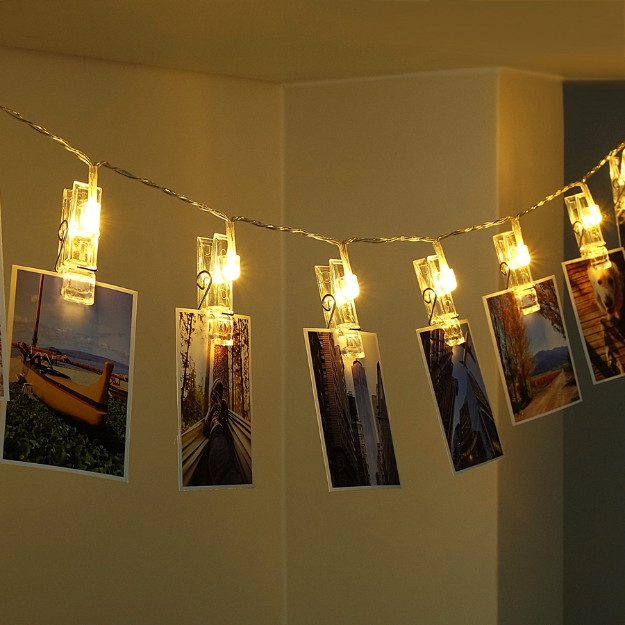
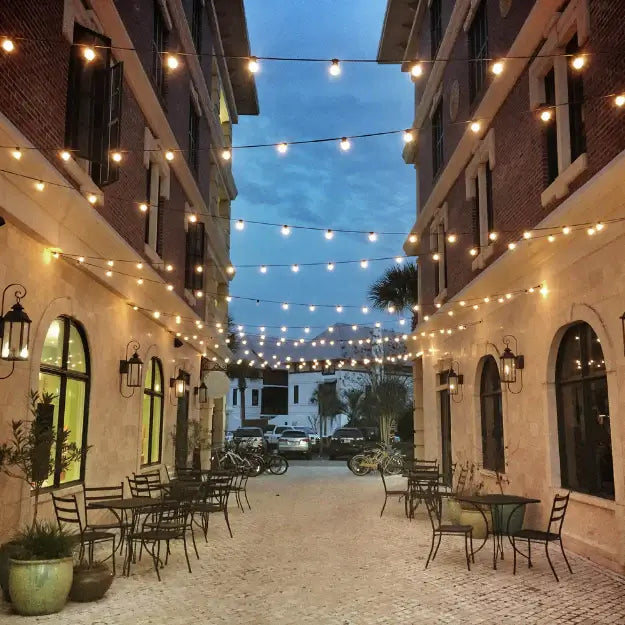
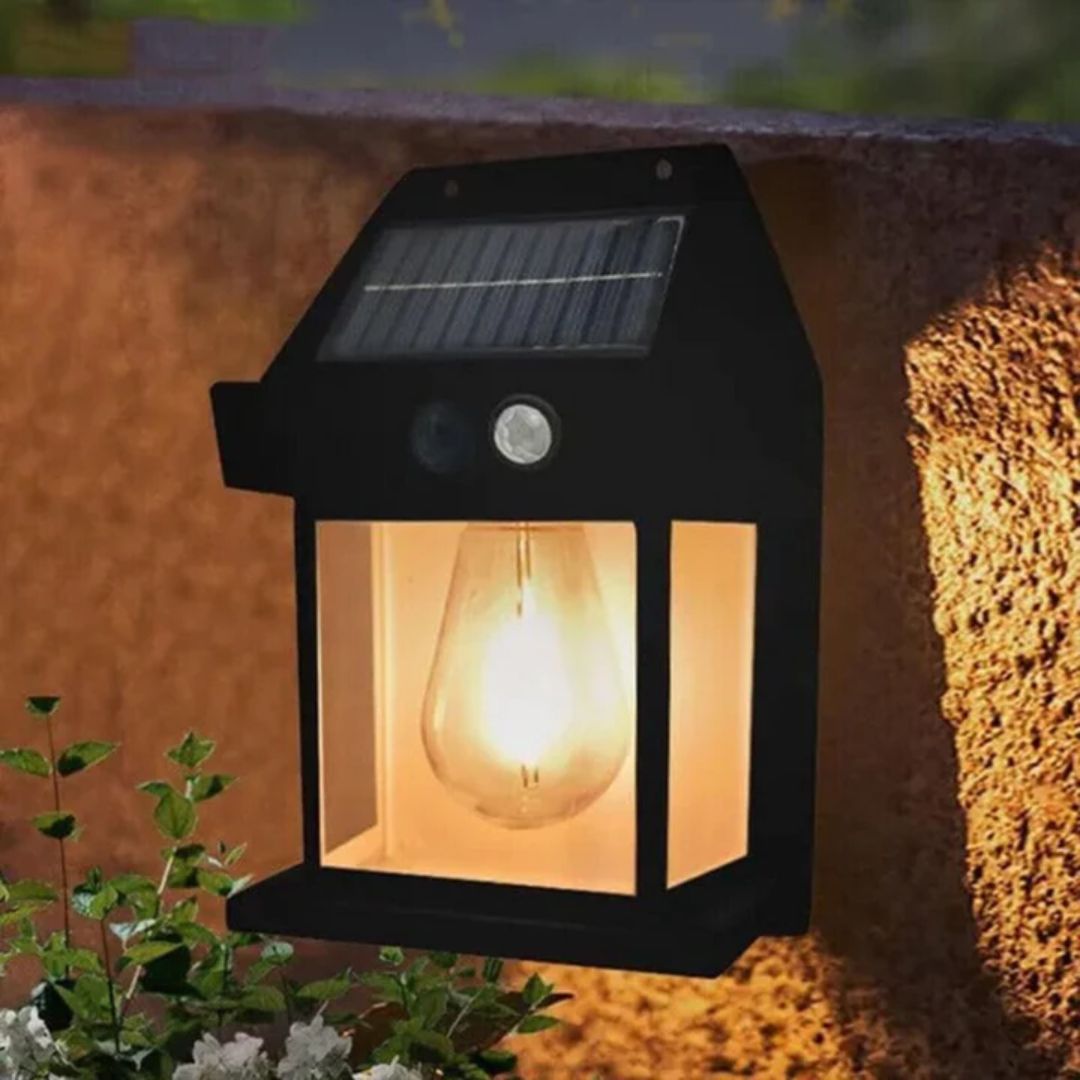
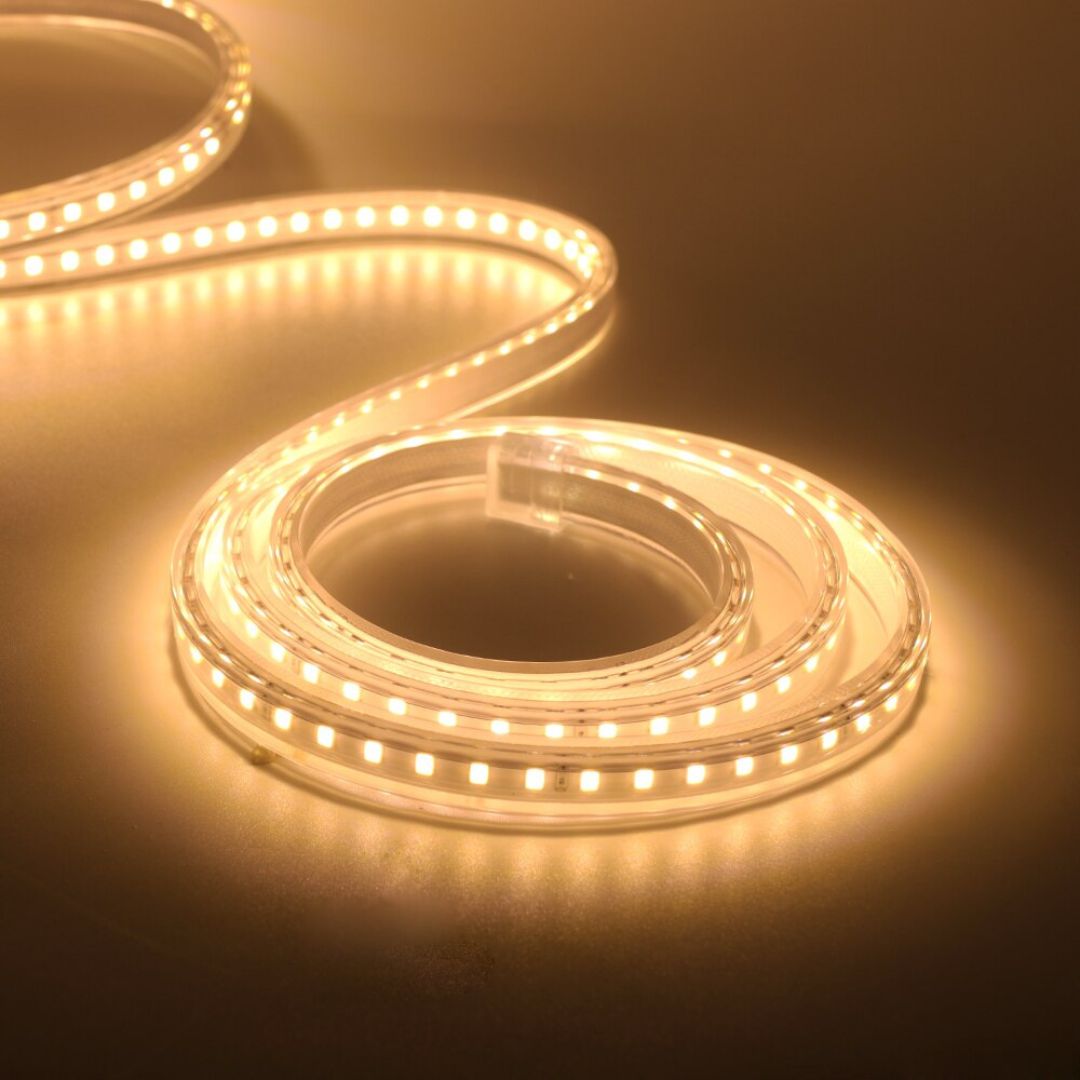
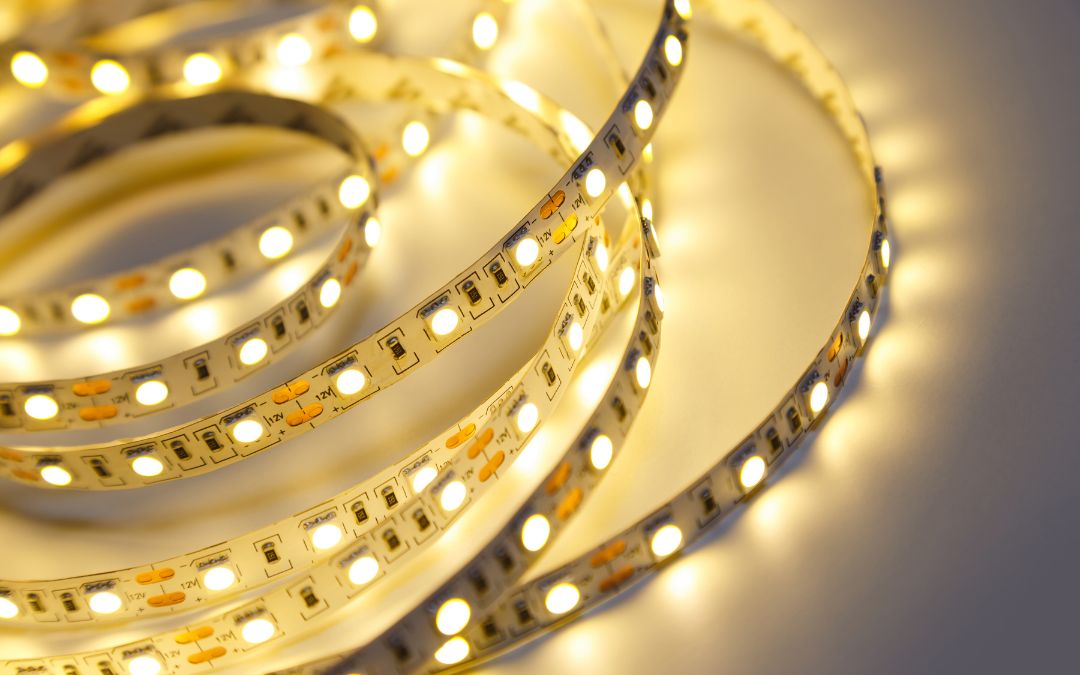
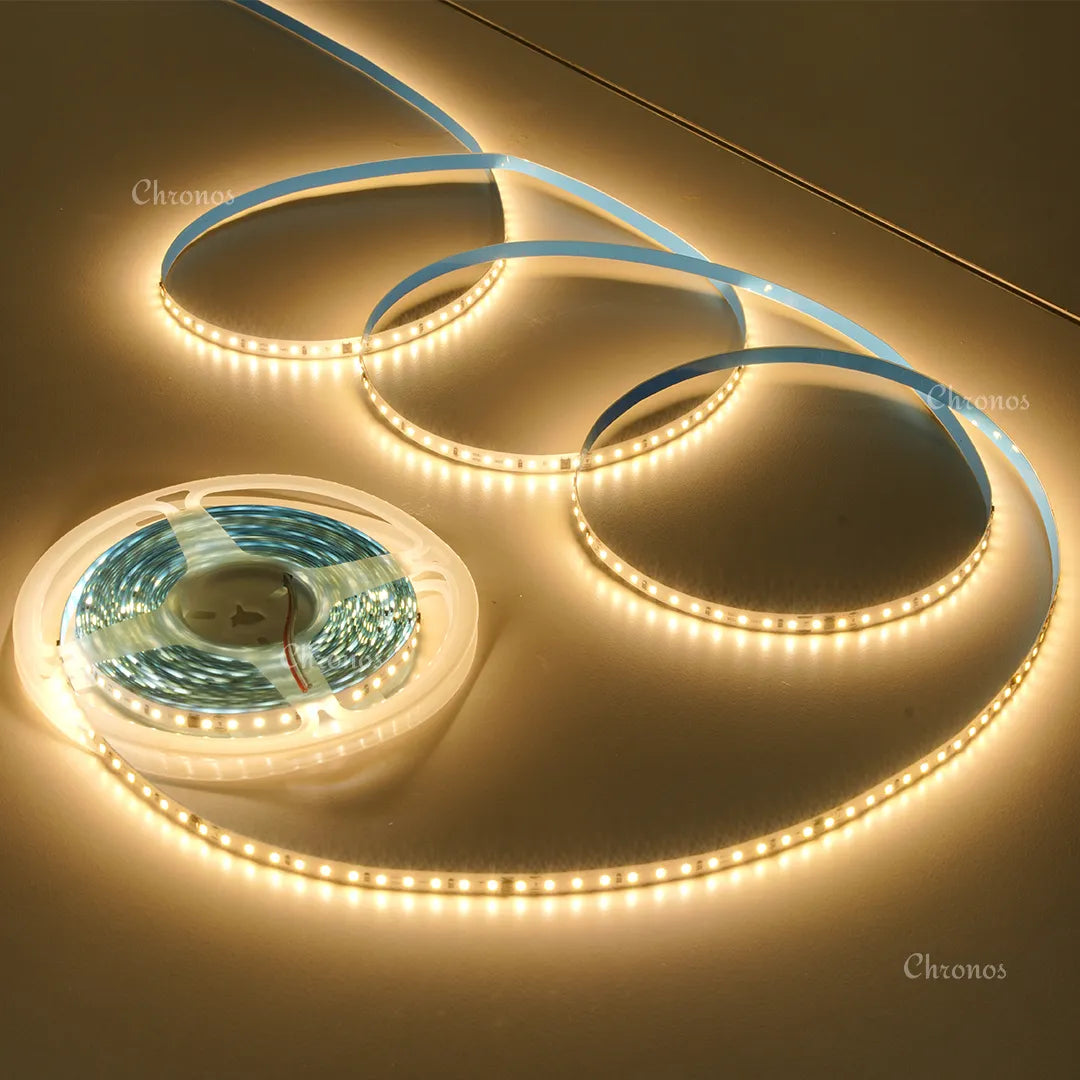
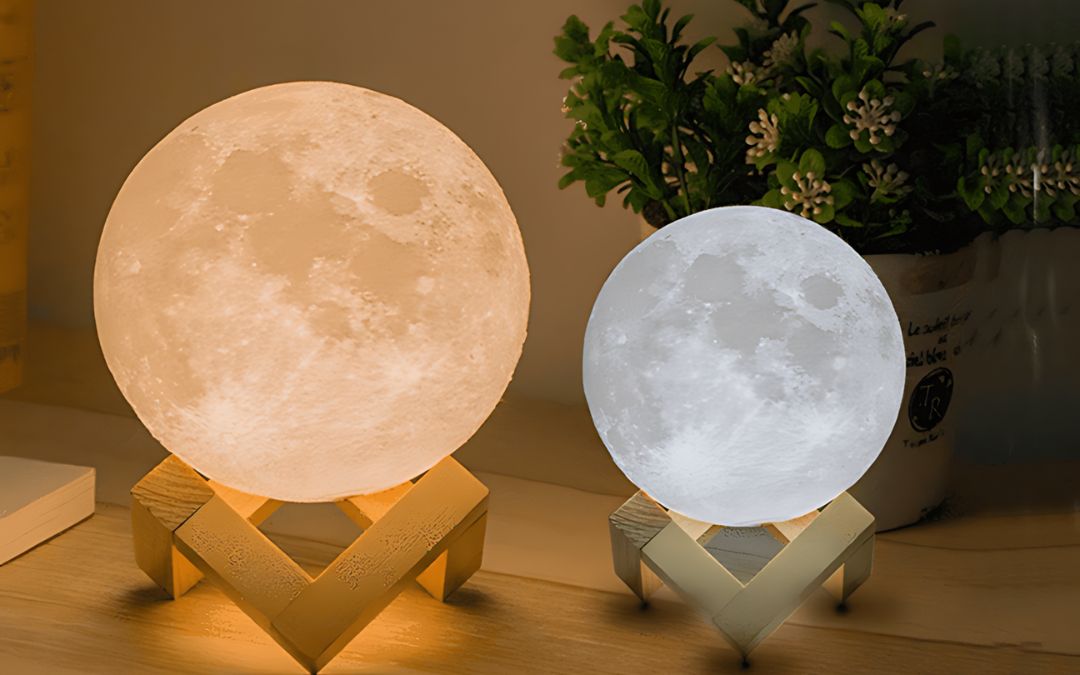
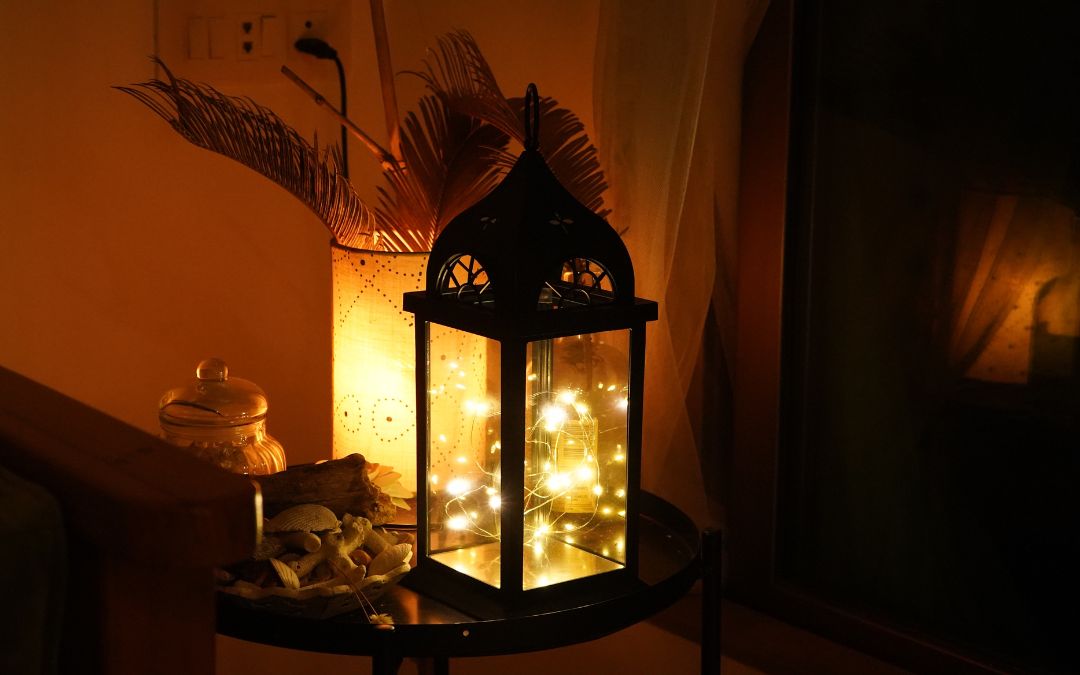
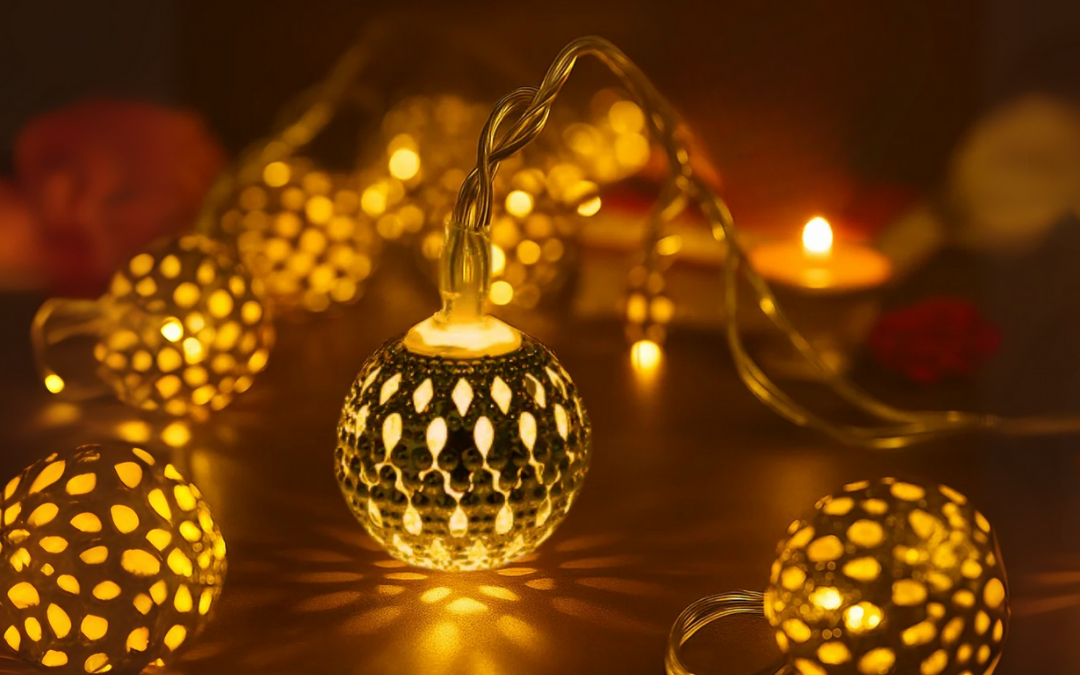
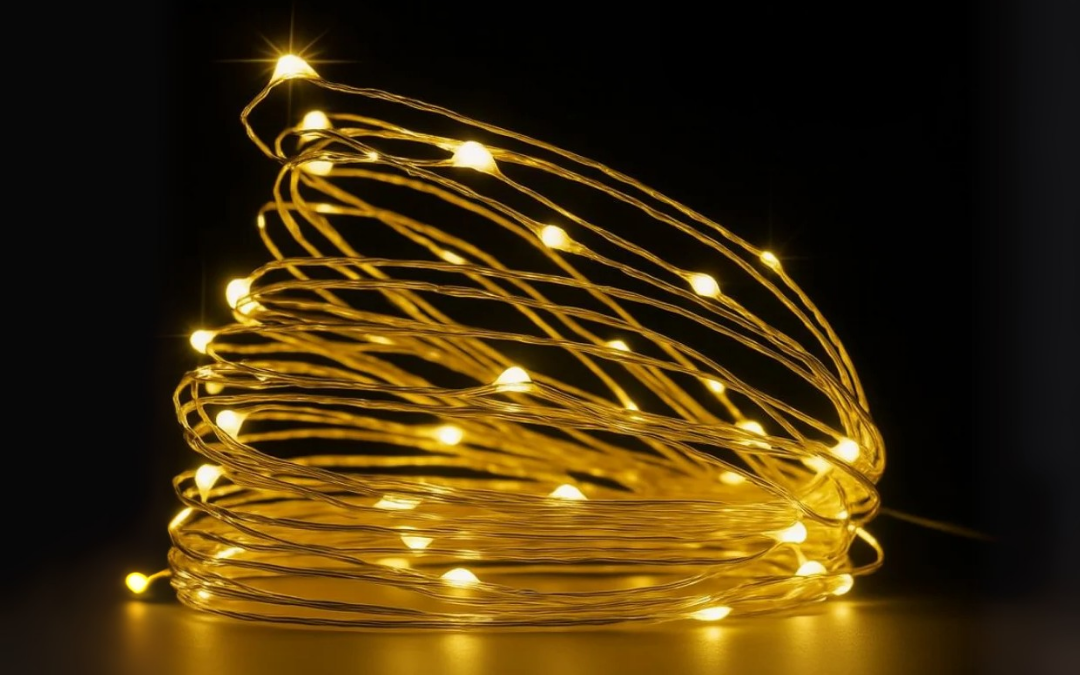
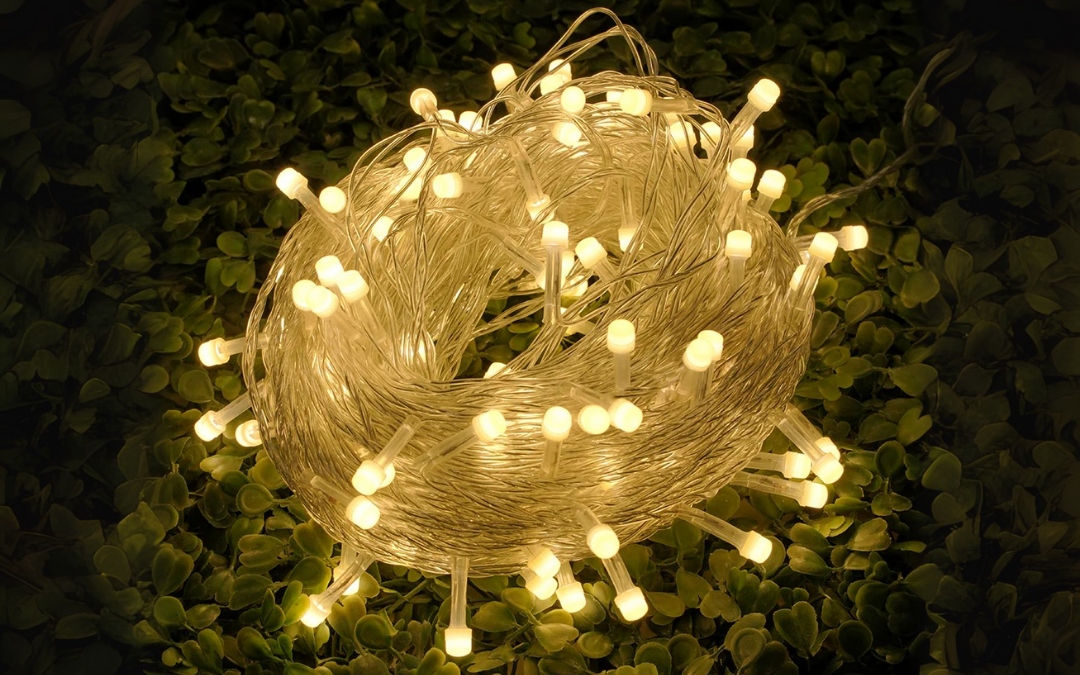
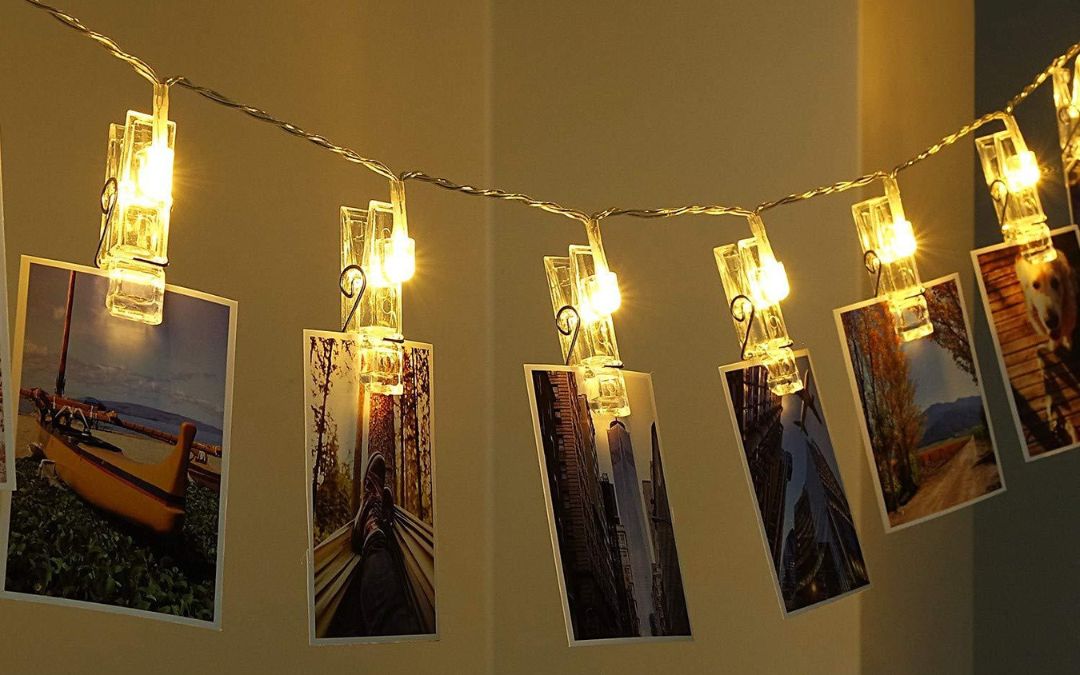
- 2700K (Warm White): Orange-yellow glow. Increases serotonin (happiness chemical). Slows heart rate. Promotes relaxation.
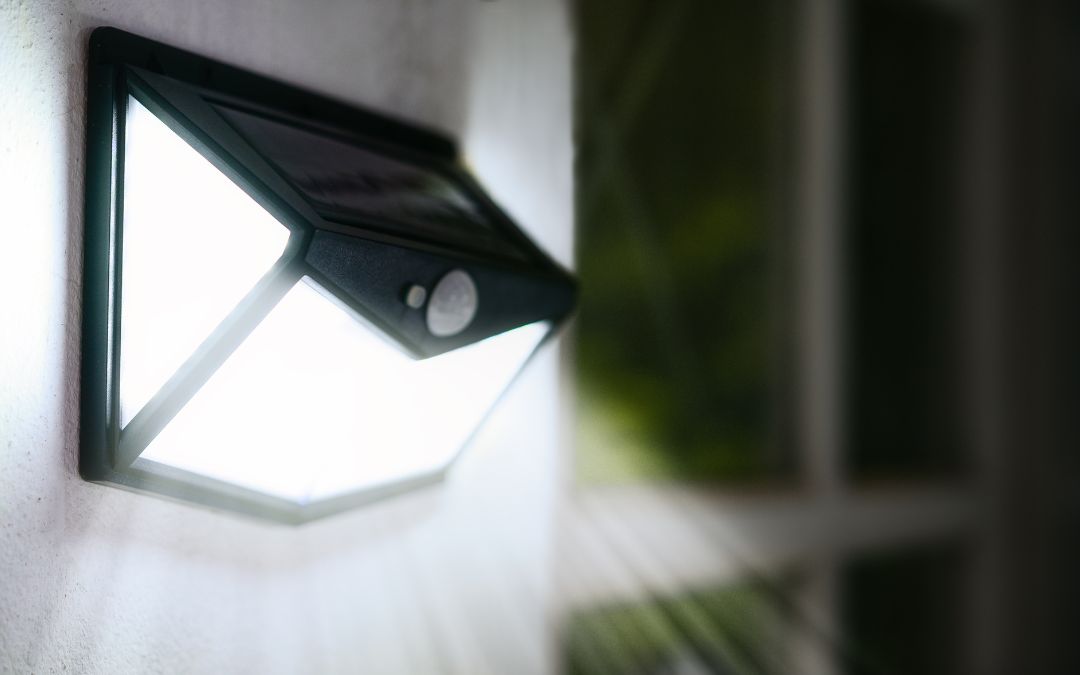
- 5000K (Cool White): Office fluorescent. Increases alertness but decreases calm.
- 6500K (Daylight): Too bright indoors. Causes eye strain.
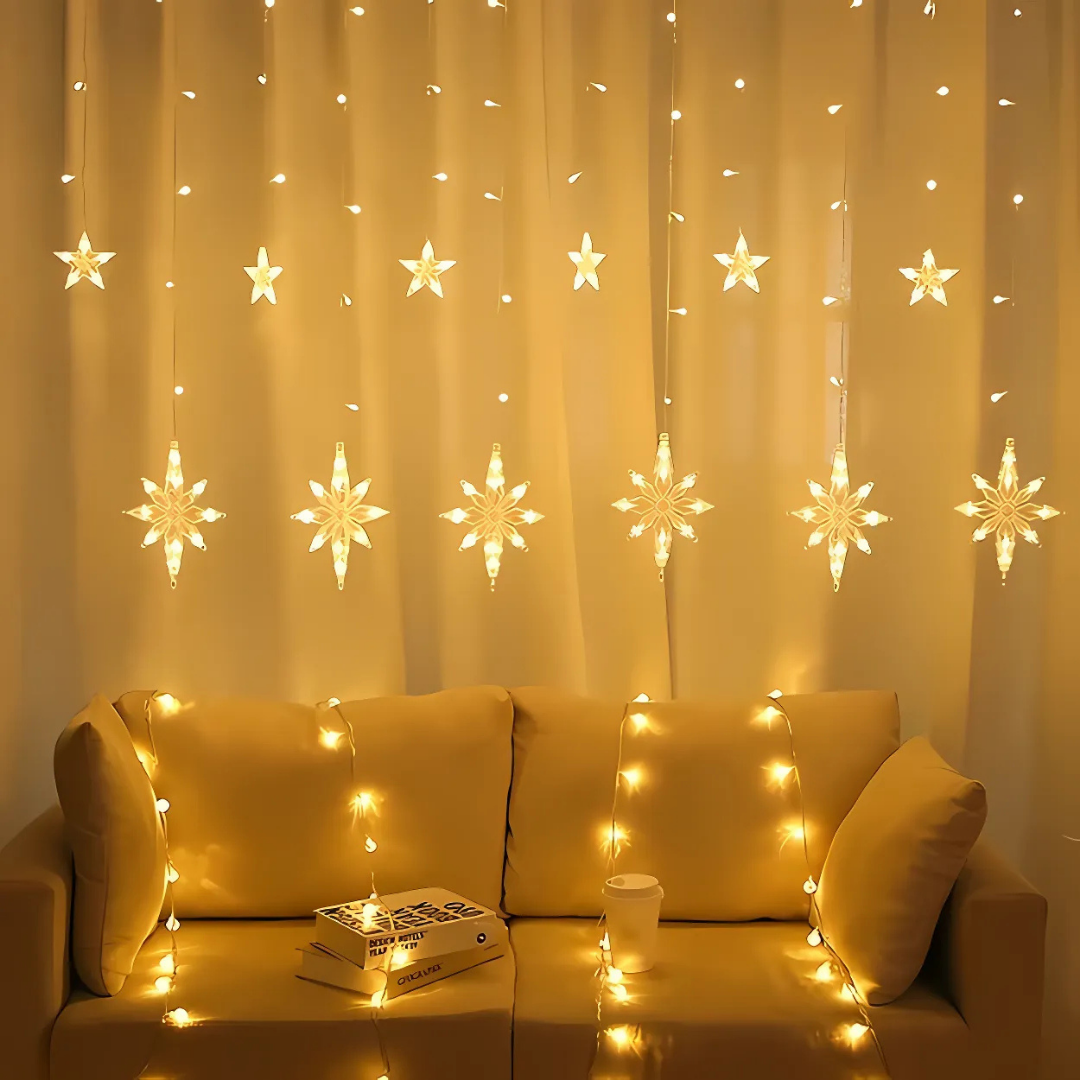
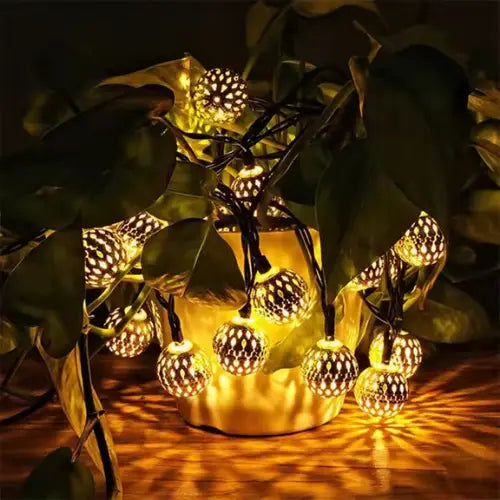
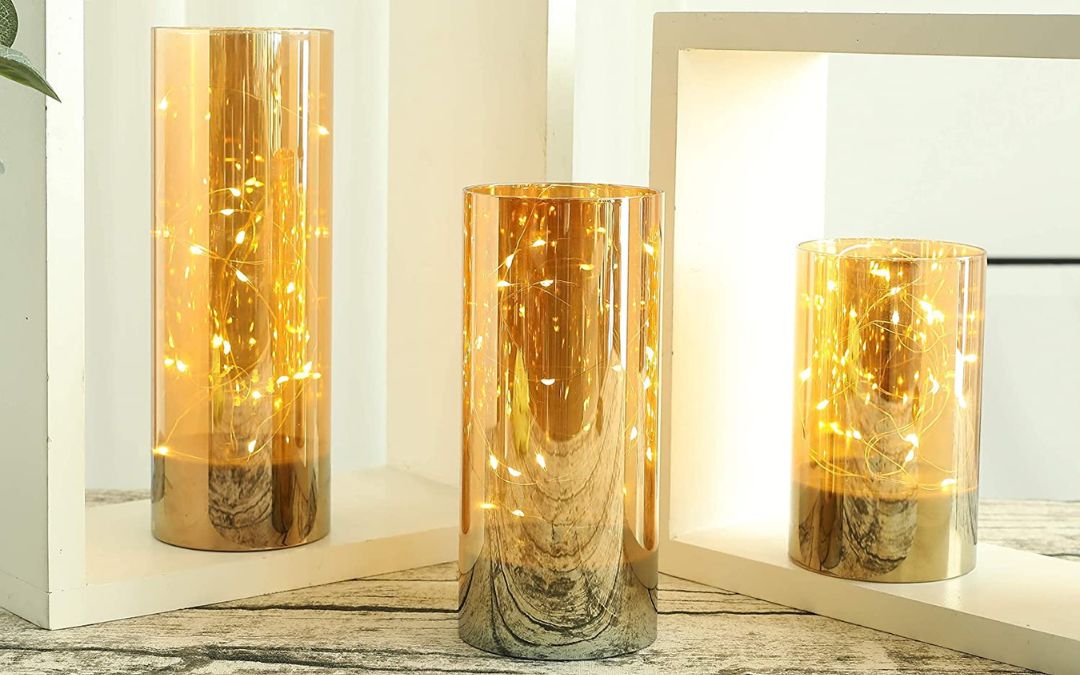
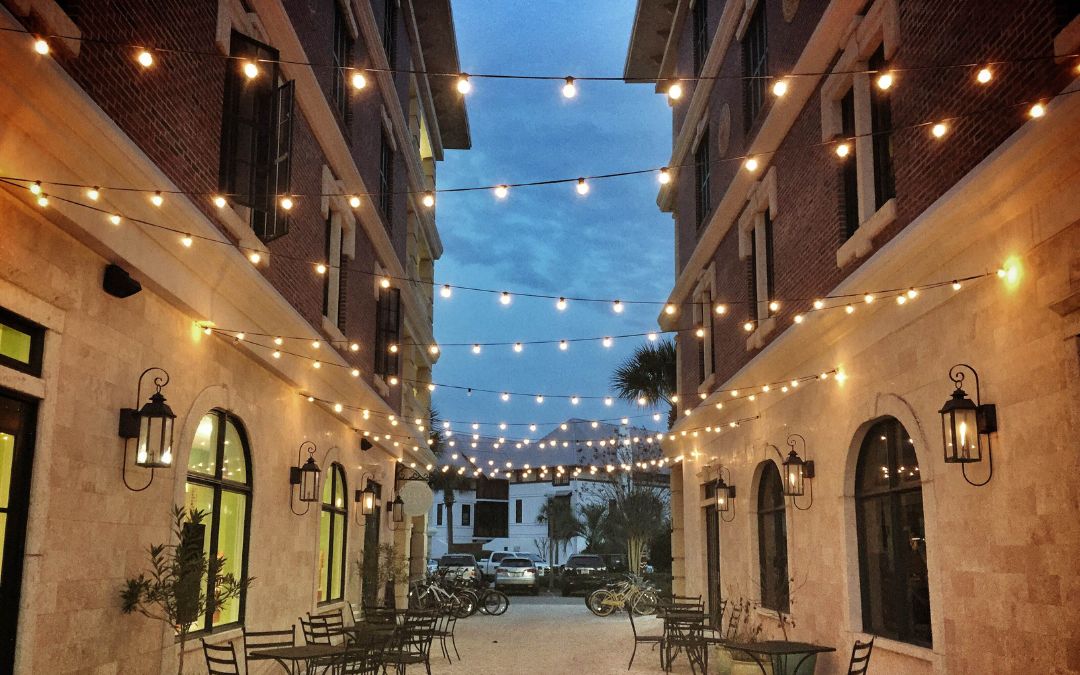
Diwali Lights at 2700K = Perfect
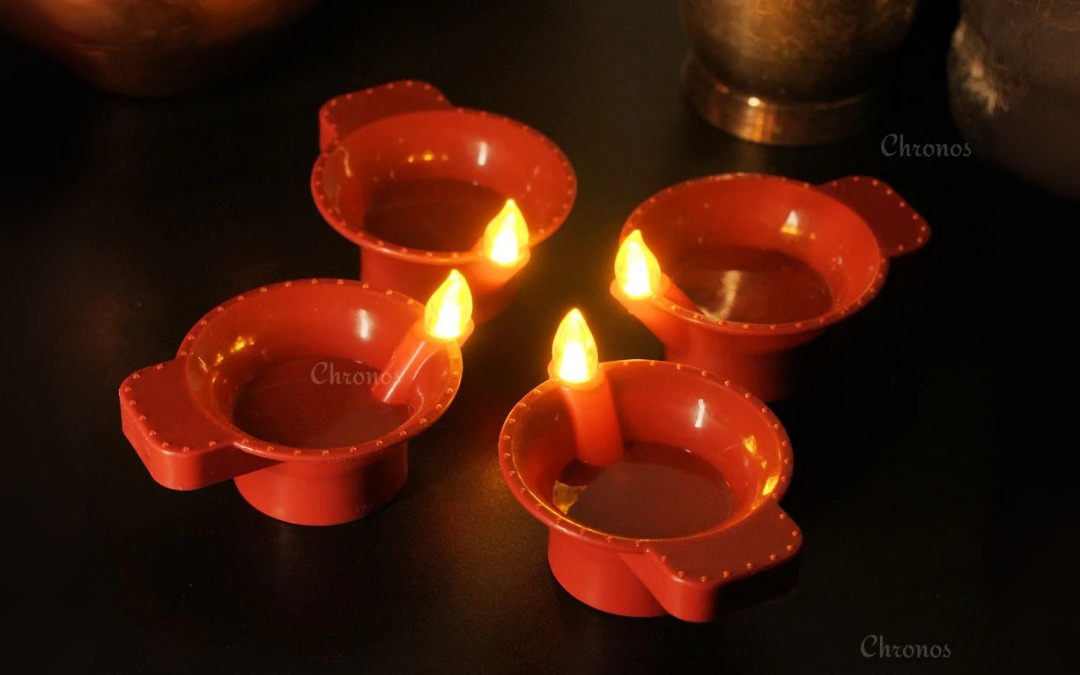
Our bodies evolved under warm firelight. Diwali traditionally used flickering flames (2700K).
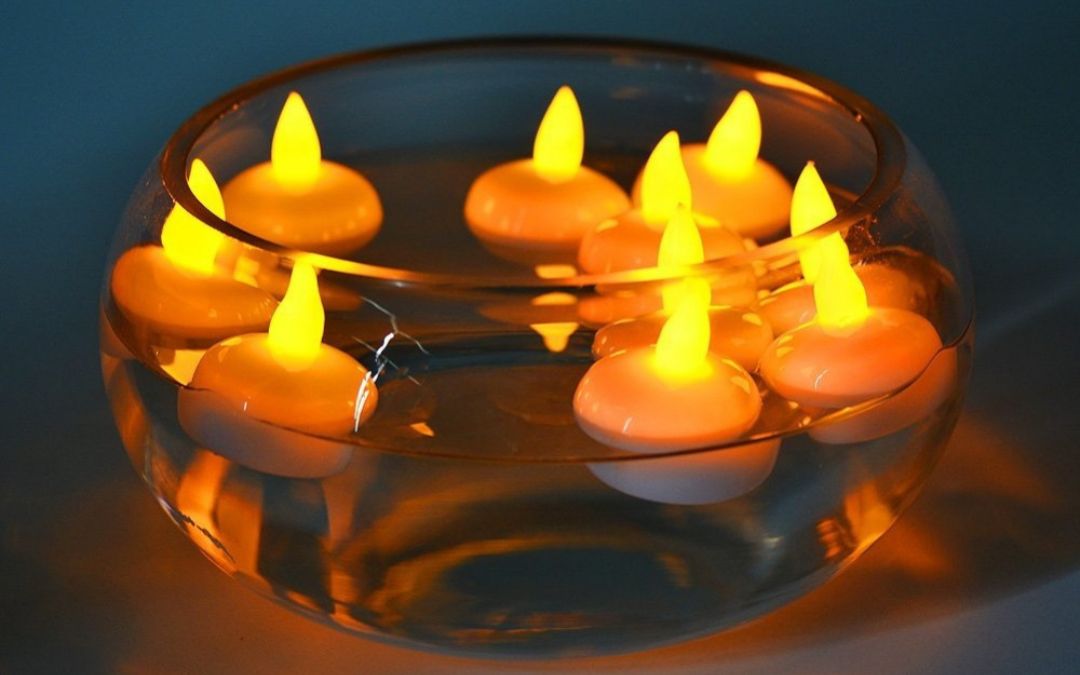
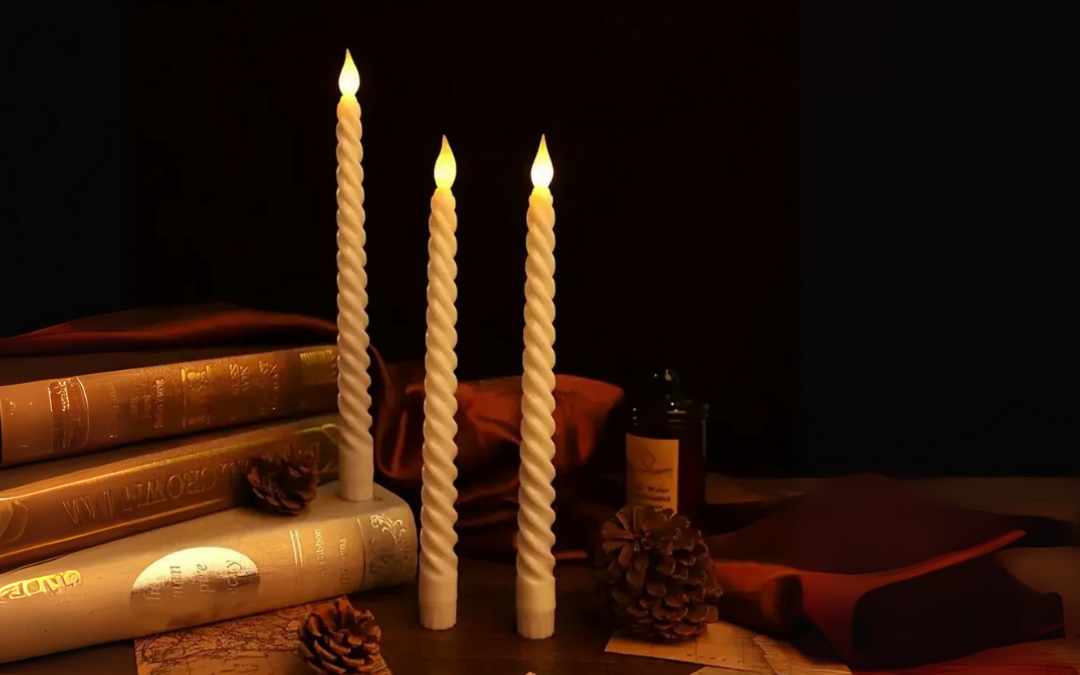
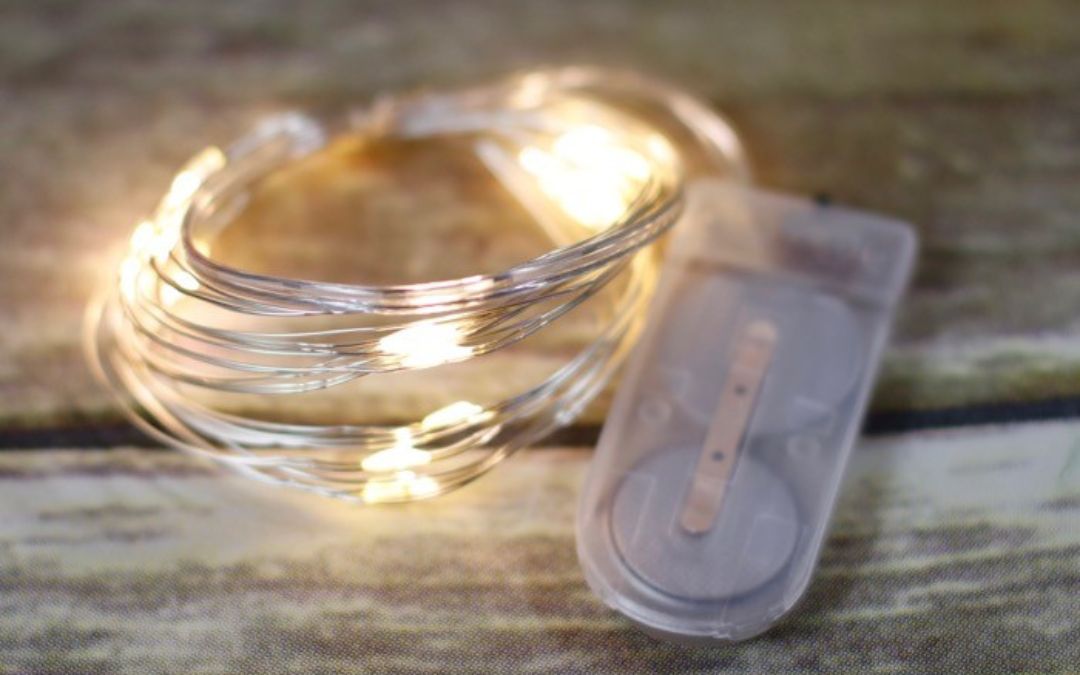
LED Diwali lights replicate this → Brain releases oxytocin (bonding) + serotonin (happiness)
The Moving Flame Effect
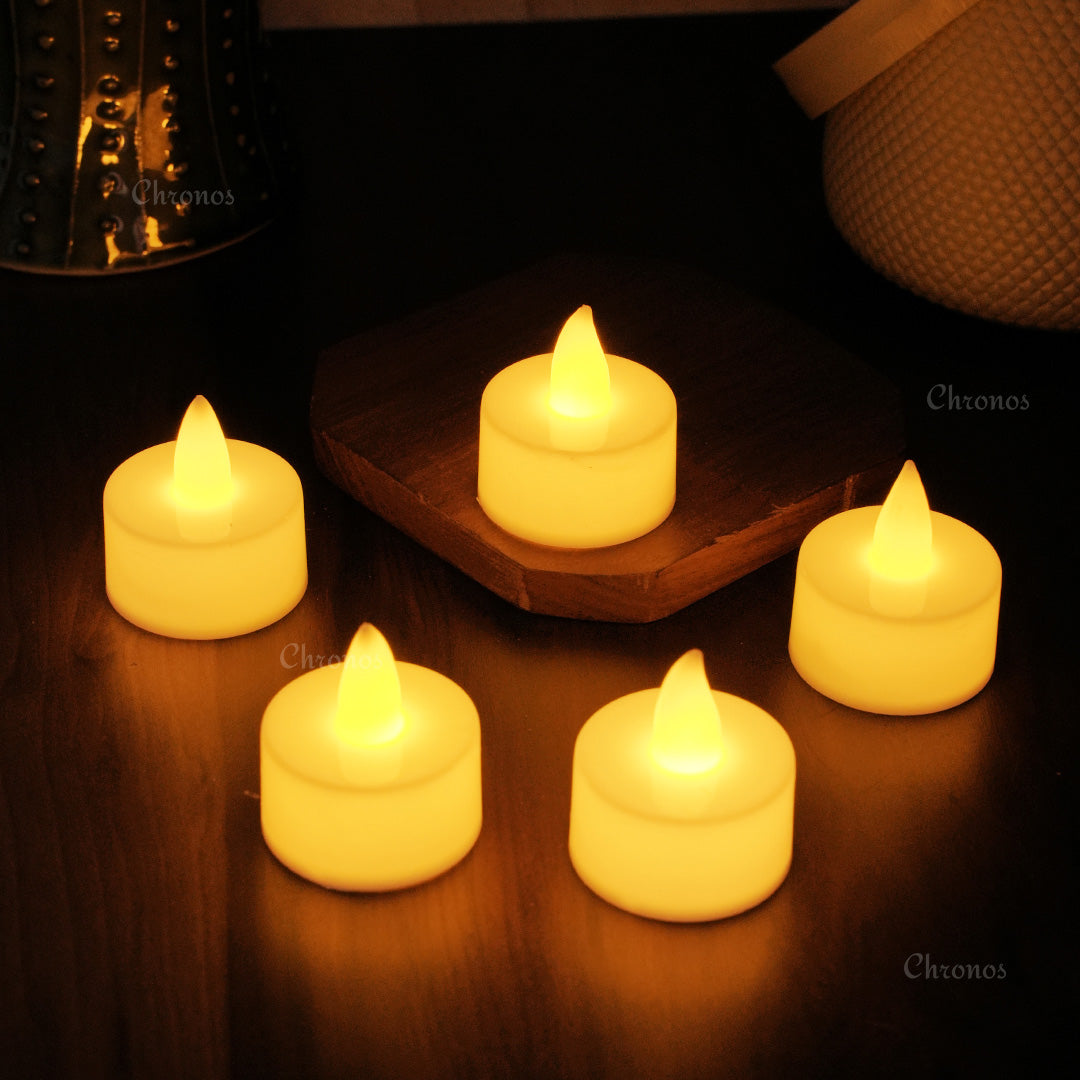
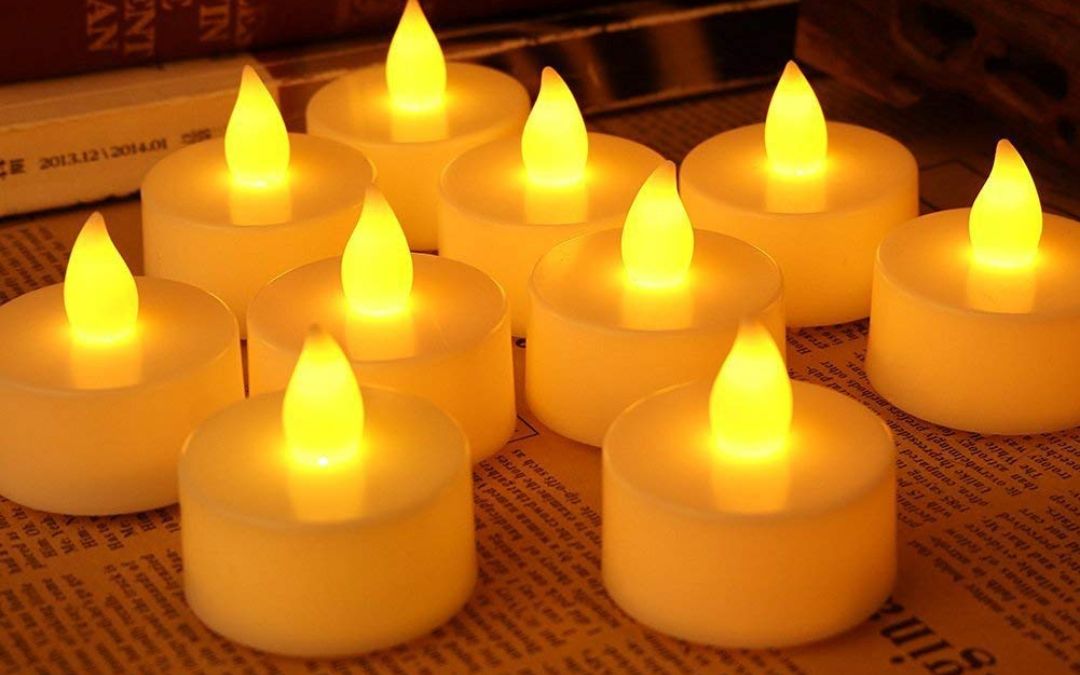
Real flames flicker randomly (2-10 Hz frequency).
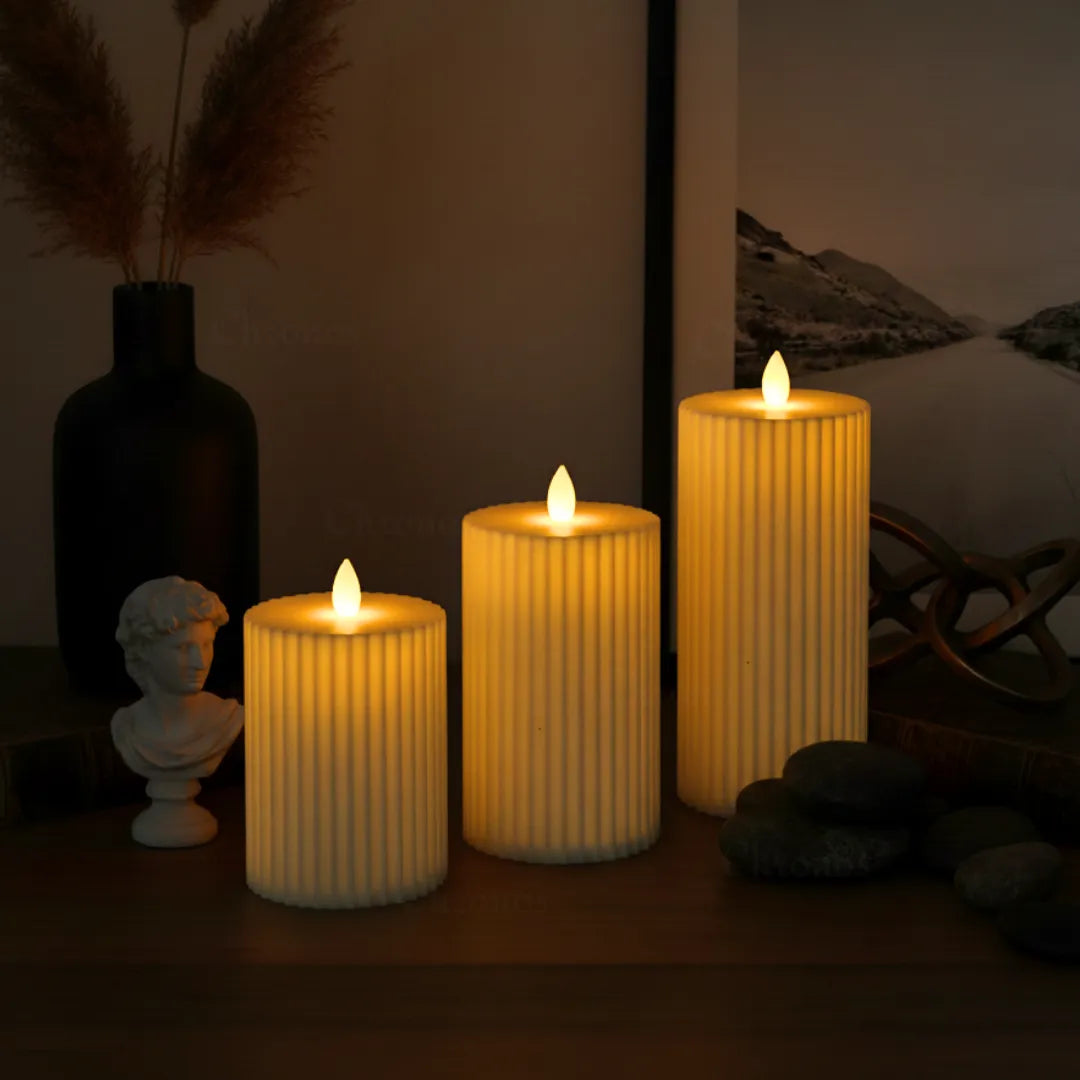
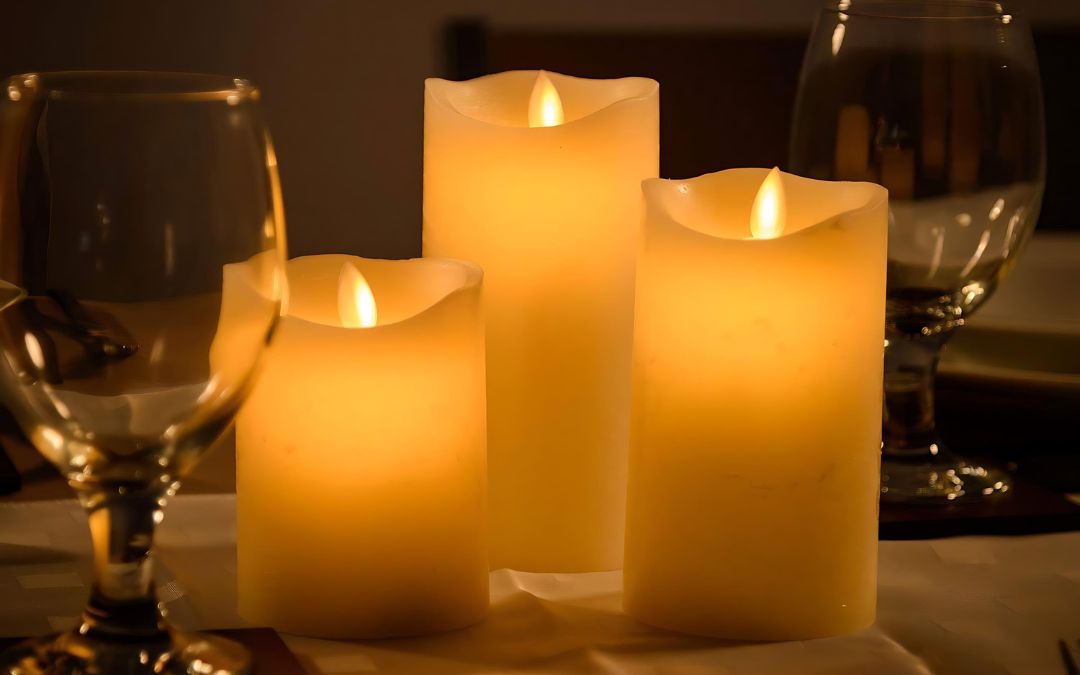
LED Pillar Candles with 3D moving wick (₹199) replicate this flicker → Brain perceives "realness" → Relaxation increases
Why Diwali Feels Different
Science says:
- Warm lights activate "parasympathetic nervous system" (rest & digest mode)
- Flickering lights reduce cortisol (stress hormone)
- Golden tones trigger memory of childhood Diwalis
- Gatherings under warm lights increase social bonding
Result: Diwali lighting isn't just pretty. It's biologically calming.
Use This Knowledge
For maximum happiness:
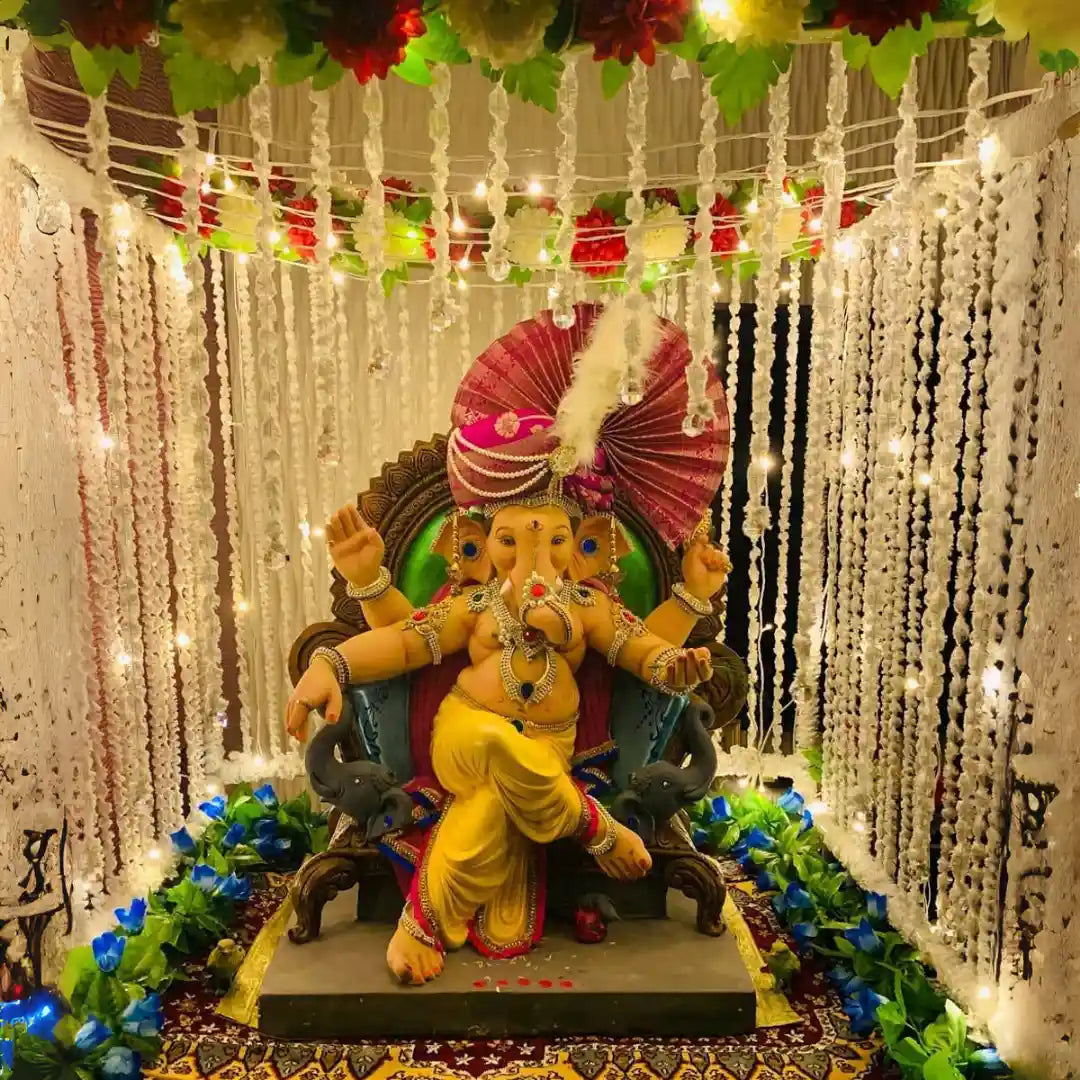
- Pooja room → Warm white + candles
- Living room → Warm white + movement
- Bedrooms → Softer warm lights (2200K if available)
- Avoid cool white LED → Cancels the Diwali effect
Shop Warm White Lights — Science-backed happiness