























# LED Strip Light Sizes Explained: Widths, Lengths & How to Choose
LED strips look simple, but getting the size wrong is one of the most common reasons an installation looks off or doesn't fit the space it was bought for. "Size" for an LED strip actually means two separate things — the **width** of the strip itself, and the **length** you need for your room or project. This guide breaks down both, so you can measure once and order the right strip the first time.
## Common Strip Widths
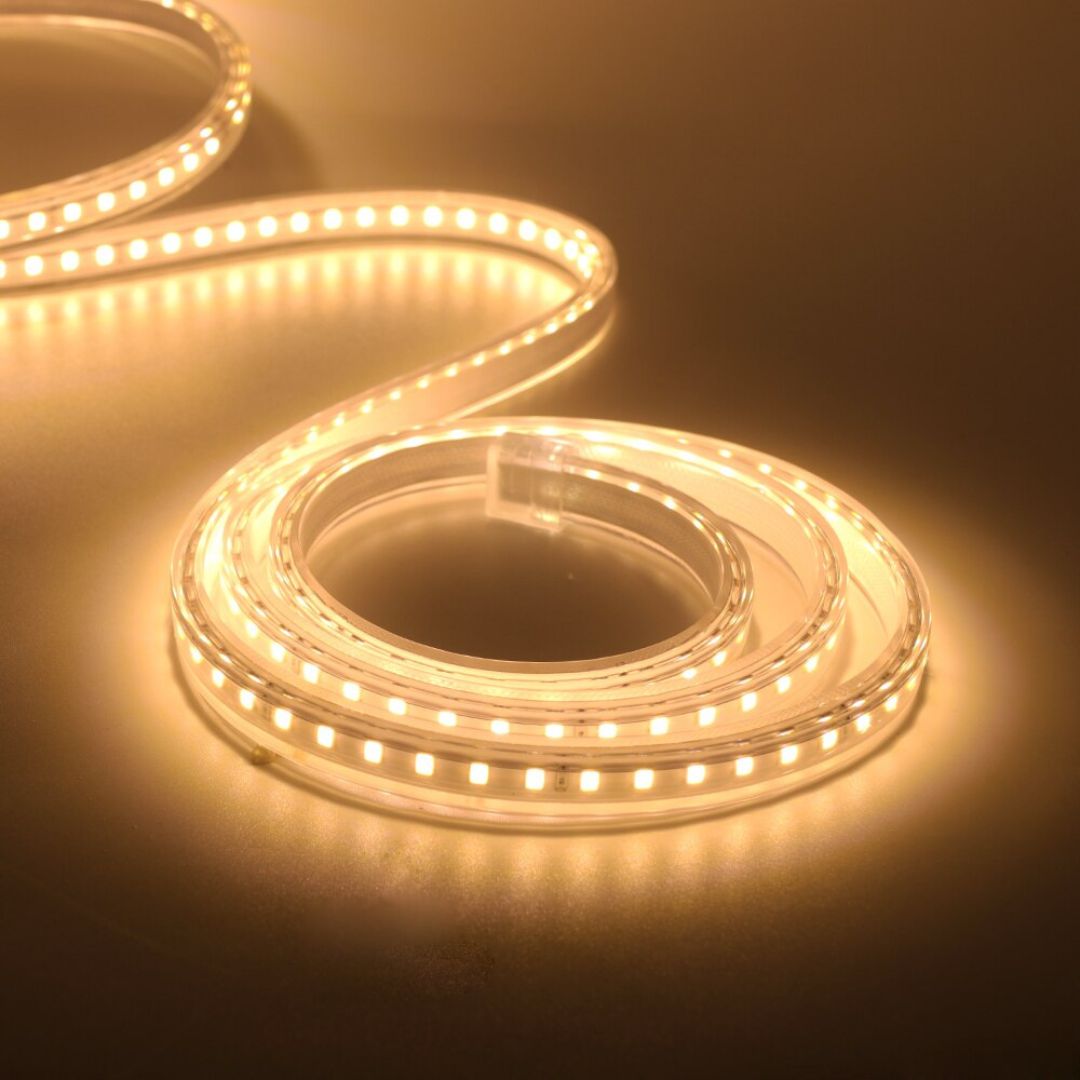
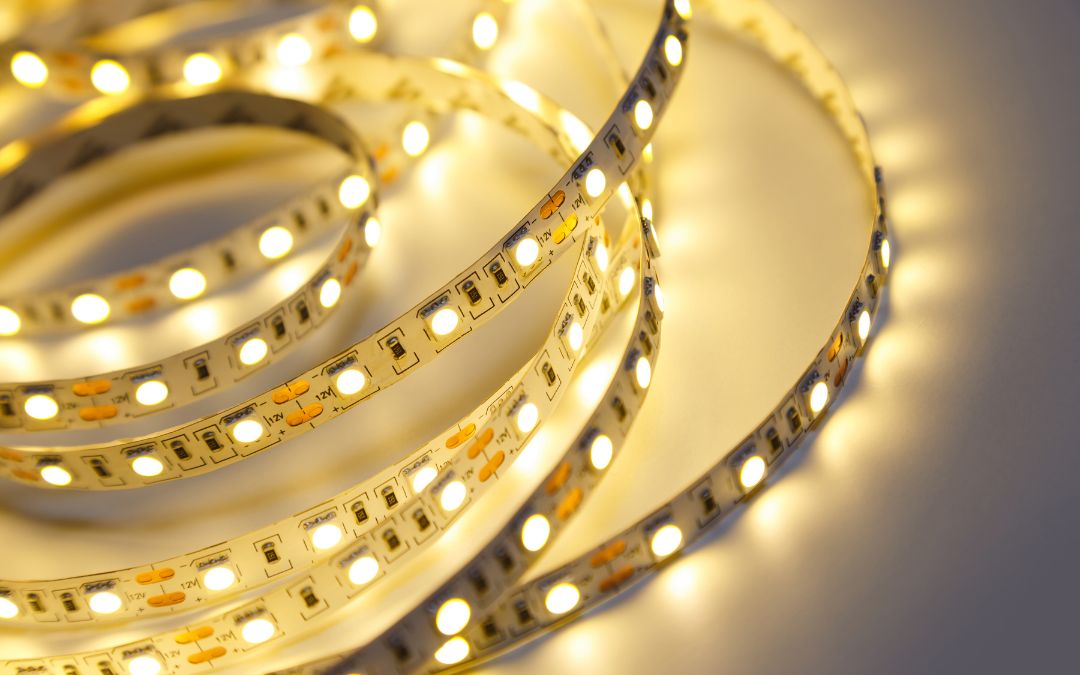
LED strip width refers to the width of the PCB (the circuit board the LEDs sit on), and it directly affects brightness, heat handling, and where the strip will physically fit.
- **5–6mm (narrow)** — the most discreet option, used where the strip needs to stay hidden or fit into very tight channels — thin cabinet edges, narrow trim, or slim mounting profiles.
- **8mm** — a popular middle-ground width offering a good balance of brightness and flexibility. Common for accent lighting, under-cabinet lighting, and signage.
- **10mm** — the most widely used general-purpose width, common for cove lighting, architectural lighting, and most decorative installs. It also has enough surface area for smoother heat dissipation than narrower strips.
- **12mm** — slightly wider, generally used where higher brightness or a double row of LEDs is needed, such as outdoor lighting or larger-scale installations.
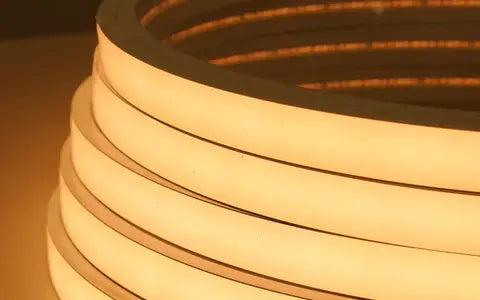
- **COB strips** — a different category entirely, ranging roughly 2.7mm to 16mm wide, known for a smooth, dot-free glow rather than individually visible LED points. Common where a seamless line of light matters more than raw brightness.
**Why width matters beyond fit:** wider strips generally support more LEDs per meter and better heat management, so they can usually run brighter without degrading as quickly — but a high-density narrow strip can still draw more power than a low-density wide one. Width tells you what will physically fit; always check the wattage/brightness spec separately rather than assuming wider automatically means brighter.
## Standard Reel Lengths
Most LED strips ship on **1-meter or 5-meter reels**, and nearly all strips have marked cut lines at regular intervals (commonly every few centimeters, between LED groups) so you can trim to an exact length without damaging the circuit. A few things to keep in mind:
- Always cut exactly on the marked line — cutting between lines can damage the copper pads needed to reconnect or power that segment.
- If your run needs to be longer than one reel, strips can typically be joined with connectors, though very long joined runs are more prone to voltage drop (see our [wattage calculator guide](/blogs/news/how-to-calculate-led-strip-wattage-for-any-room) for how to plan power across longer runs).
- Leftover cut segments from a 5m reel aren't waste — they're commonly reused for small accent spots like shelf edges or picture frame backlighting.
## How Room Size Determines Total Length Needed
A simple way to estimate: measure the perimeter or run length of the surface you're lighting (wall edge, ceiling perimeter, cabinet run), then add 10–15% for corners, waste from cutting, and mounting slack.
**Example:** A 3m x 4m room with strip lighting planned around the ceiling perimeter has a perimeter of roughly 14 meters. Adding 15% brings that to about 16 meters — so you'd plan for a 5m reel plus a bit over 3 more, or three 5m reels with material to spare.
For accent applications (behind a TV unit, under a single shelf, along one wall) rather than full-room perimeter runs, a single 5m reel is often more than enough and can be cut down as needed.
## Size-to-Application Quick Reference
| Application | Typical width | Notes |
|---|---|---|
| Cove lighting (false ceiling) | 10mm | Balance of brightness and easy channel-mounting |
| Under-cabinet / shelf lighting | 8mm | Narrow enough to stay discreet |
| Gaming desk / monitor backlight | 8–10mm | Fits behind monitors and desk edges |
| False ceiling perimeter | 10–12mm | Higher brightness for room-scale ambient light |
| Outdoor / balcony railing | 10–12mm, IP65+ | Width paired with waterproof rating matters more here — see our [IP rating guide](/blogs/news/what-is-ip-rating-in-led-lights-ip20-ip44-ip65-fully-explained) |
| Tight trim / narrow channels | 5–6mm | Fits where standard widths physically won't |
## Sizing and Wattage Go Together
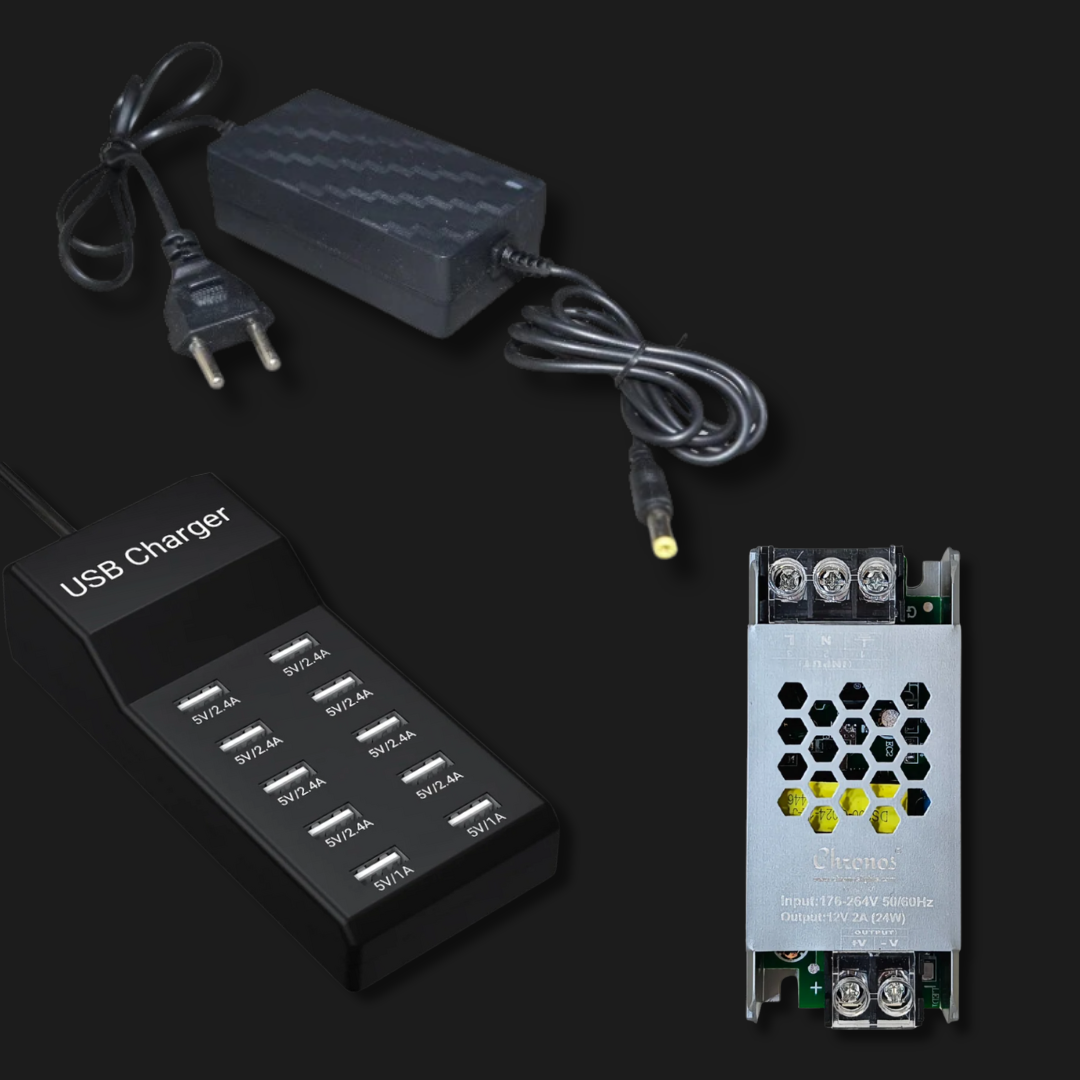
Picking the right width only solves half the problem — the other half is making sure your power supply matches the total length you're installing. A wider or higher-density strip draws more power per meter, and longer total runs need a correspondingly larger power supply (with headroom, not sized exactly to the load). Once you've sized your strip length using this guide, the next step is running that length through our [wattage calculator guide](/blogs/news/how-to-calculate-led-strip-wattage-for-any-room) to confirm your power supply is adequate before you install.
## FAQ
**What's the most common LED strip width for home use?**
10mm is the most widely used general-purpose width, offering a practical balance of brightness, flexibility, and compatibility with standard mounting channels.
**Can I use a 12mm strip in a channel made for 10mm?**
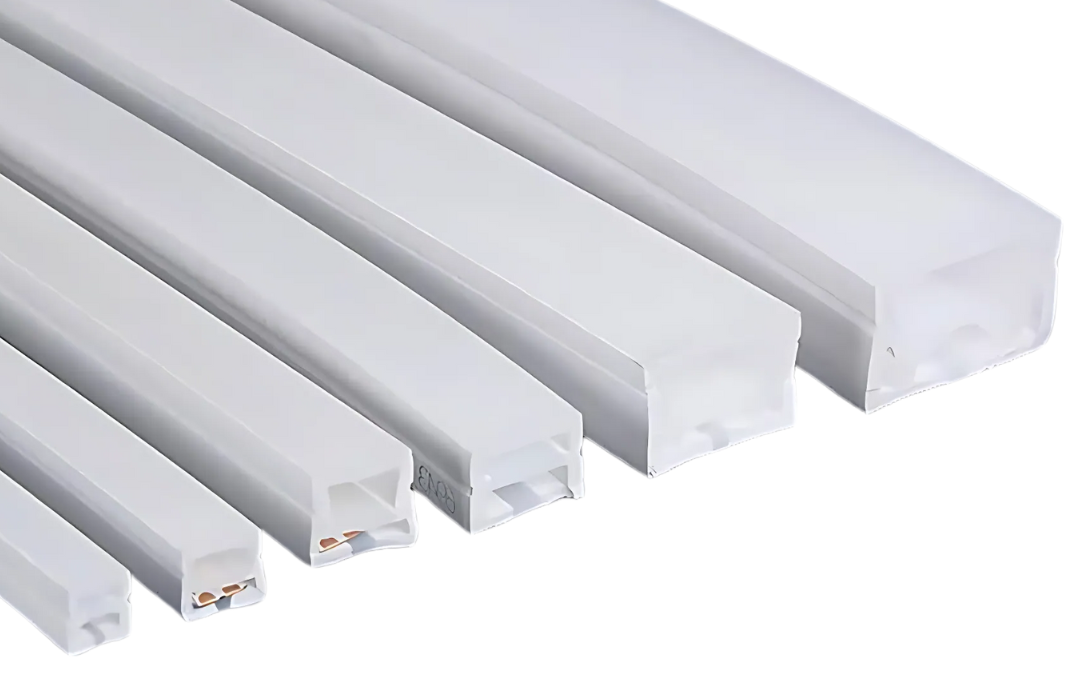
No — mounting channels are sized to a specific strip width, and a 12mm strip won't sit flush in a 10mm channel. Always match the channel to the strip width you're buying.
**How much LED strip do I need for a 10x10 ft room?**
It depends on the installation style. For a full ceiling perimeter, measure the room's perimeter (roughly 12m for a 10x10 ft / ~3m x 3m room) and add 10–15% — typically one 5m reel plus a second partial reel. For accent lighting only, a single 5m reel usually covers one wall or feature.
**Does a wider LED strip always mean brighter light?**
Not necessarily. Width affects how many LEDs and how much heat dissipation the strip can support, but a high-density narrow strip can still outperform a low-density wide one. Always check the lumens or wattage rating specifically, not just the width.
---
Ready to size your project? Browse our [silicone profile and strip light collection](/collections/silicone-profiles) and use the [wattage calculator](/blogs/news/how-to-calculate-led-strip-wattage-for-any-room) to confirm your power supply before you order.