






















# How to Plan a Colorful Light Installation (Room, Balcony, Event)
Colorful lighting can transform a plain room, balcony, or event space in a single evening — but the difference between a setup that looks professional and one that looks like a tangle of wires usually comes down to planning, not the lights themselves. This guide covers how to choose the right type of colorful lighting and plan the installation before you buy anything. If you're ready to wire an RGB strip you've already bought, see our [step-by-step RGB installation guide](/blogs/news/how-to-install-rgb-led-strip-lights-like-a-pro-a-step-by-step-guide) instead — this article is the planning layer that comes before that.
## Understand Your Options First
"Colorful lighting" isn't one product — it's a category, and picking the wrong type for your space is the most common planning mistake.
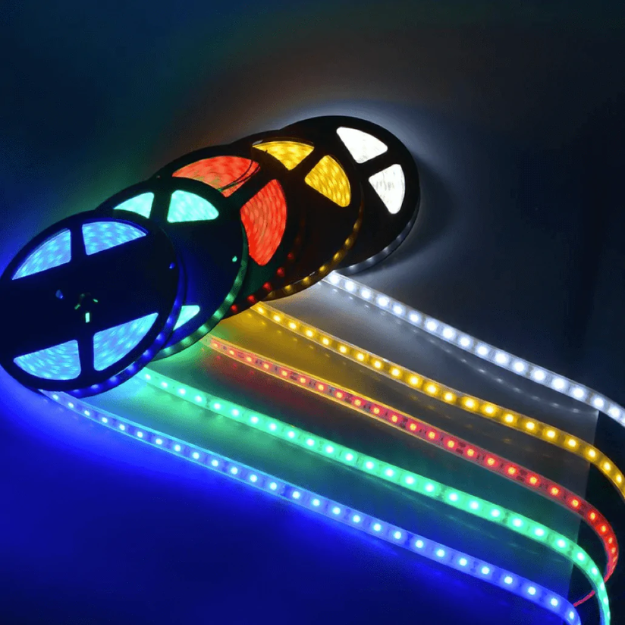
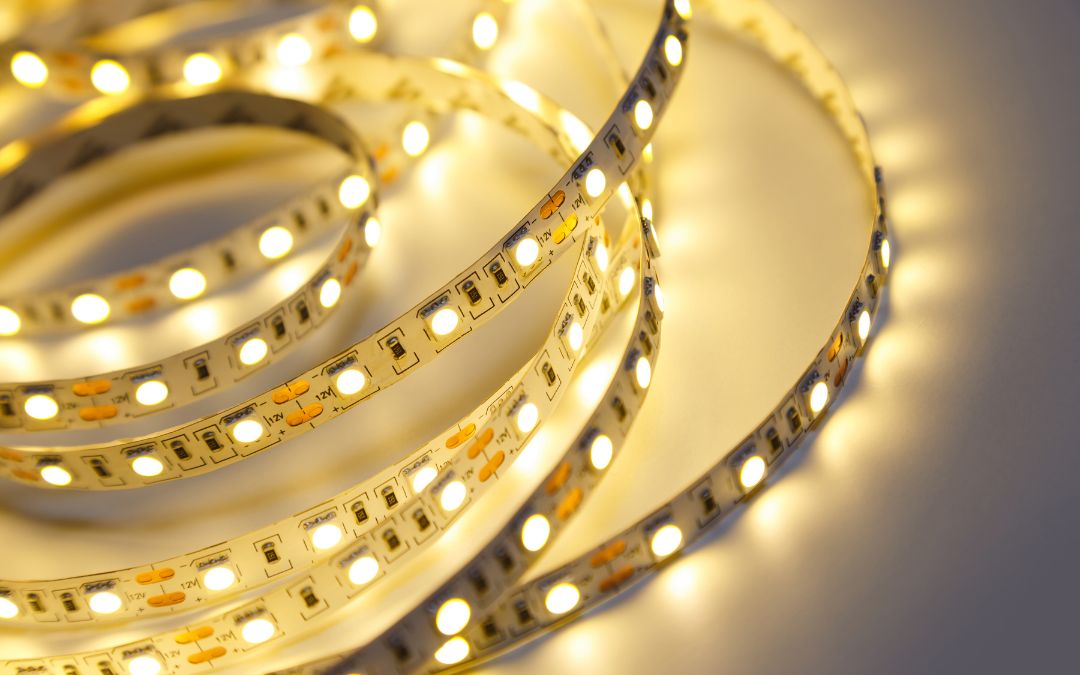
- **RGB LED strips** — single color at a time across the whole strip, adjustable via remote or app. Good for accent lighting where you want one consistent mood color.
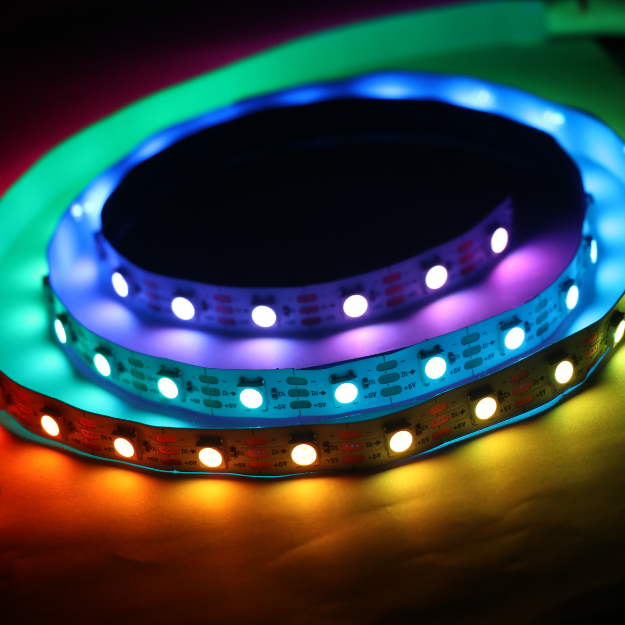
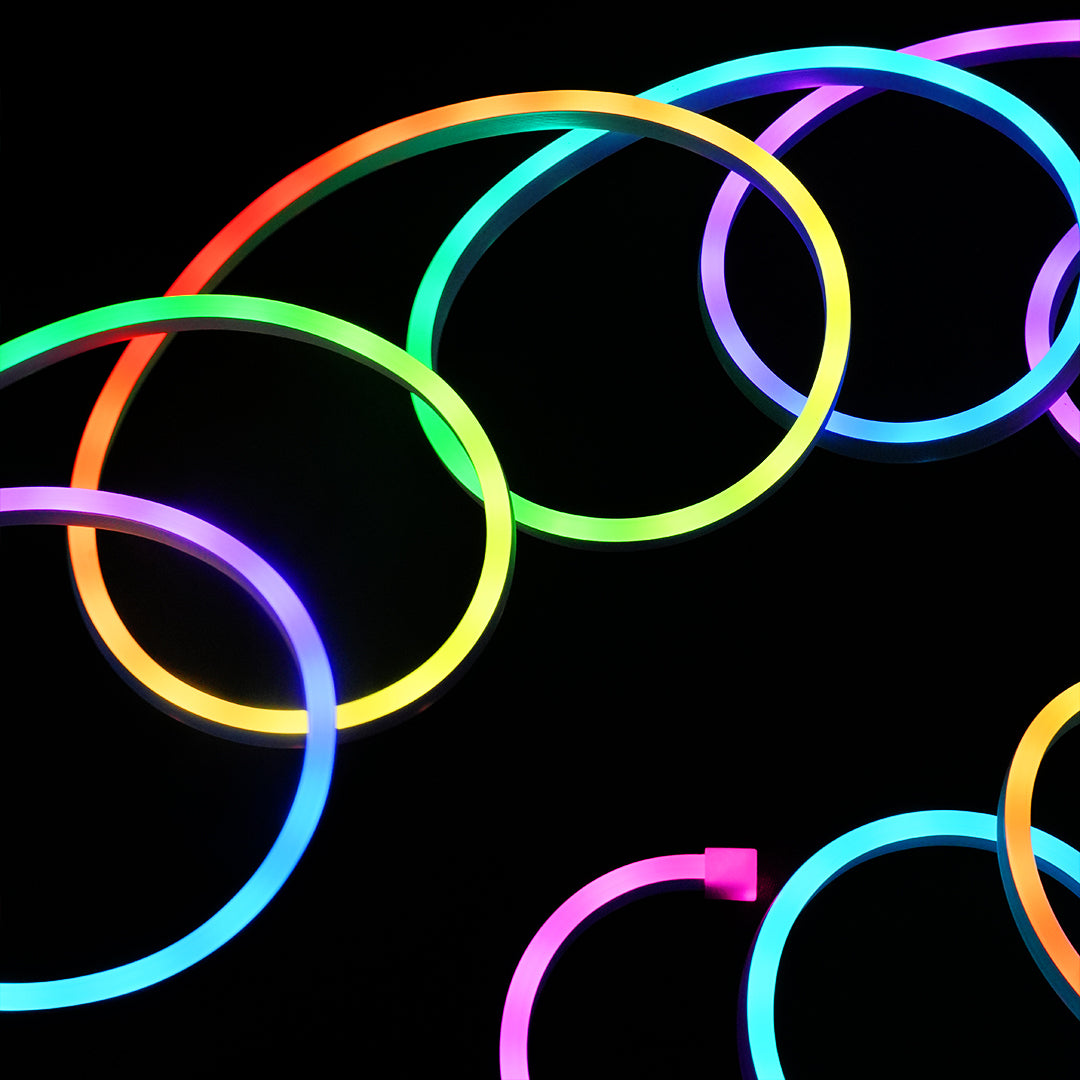
- **RGBIC / addressable strips** — each LED segment can display a different color at once, giving you color-chasing and gradient effects along the same run. Better for dynamic, party-style looks and gaming setups.
- **RGBW strips** — adds a dedicated white diode alongside red, green, and blue, so you get a proper warm or cool white option in addition to color modes — useful if the same space needs to double as functional lighting.
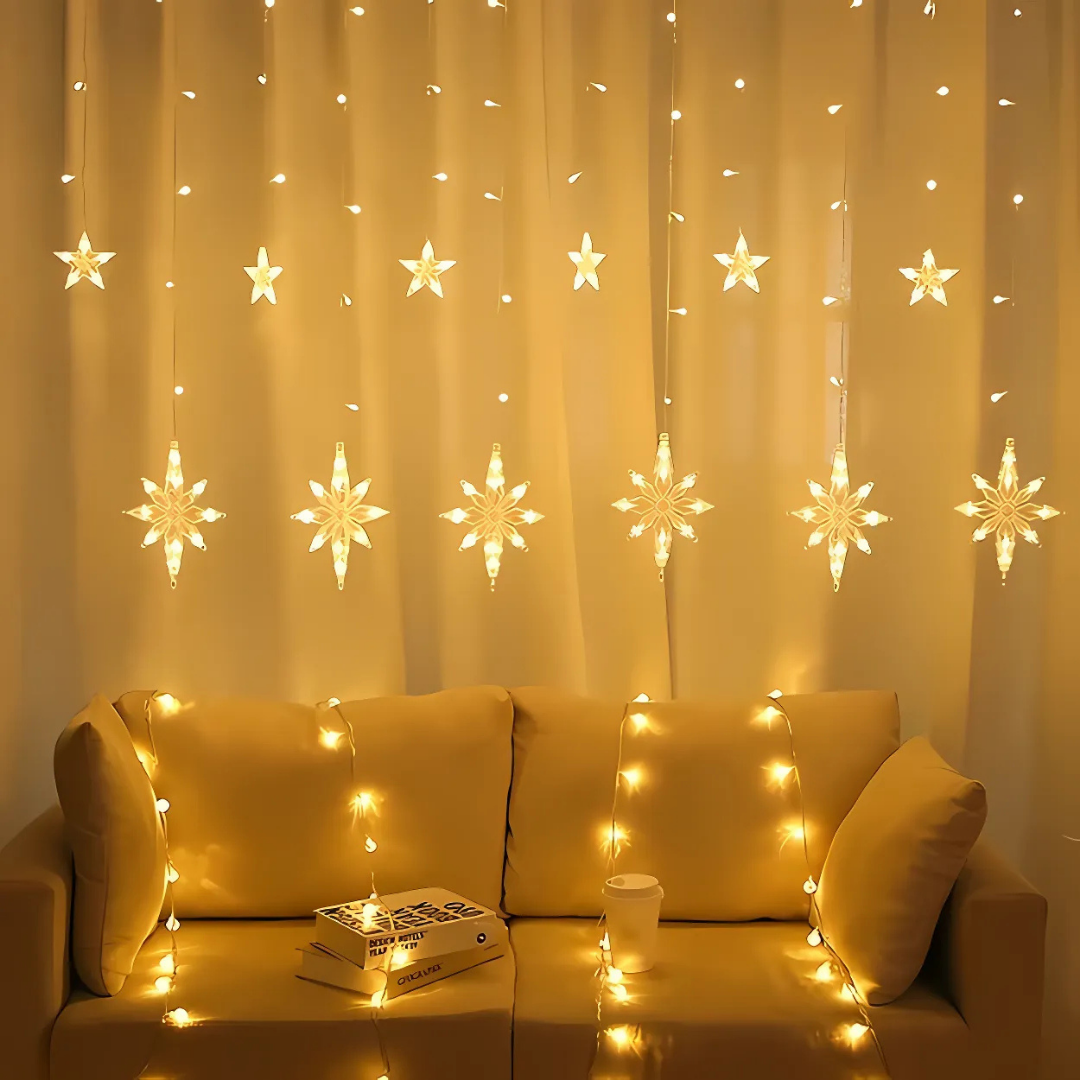
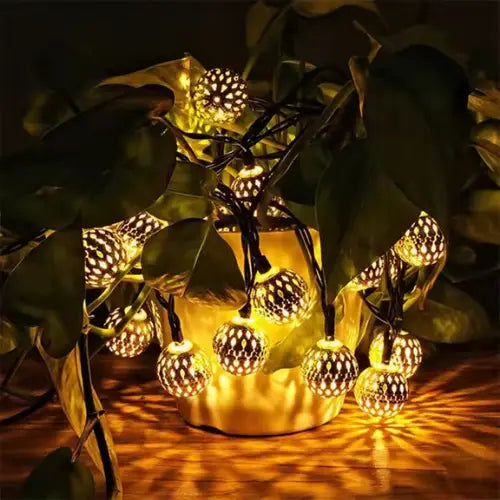
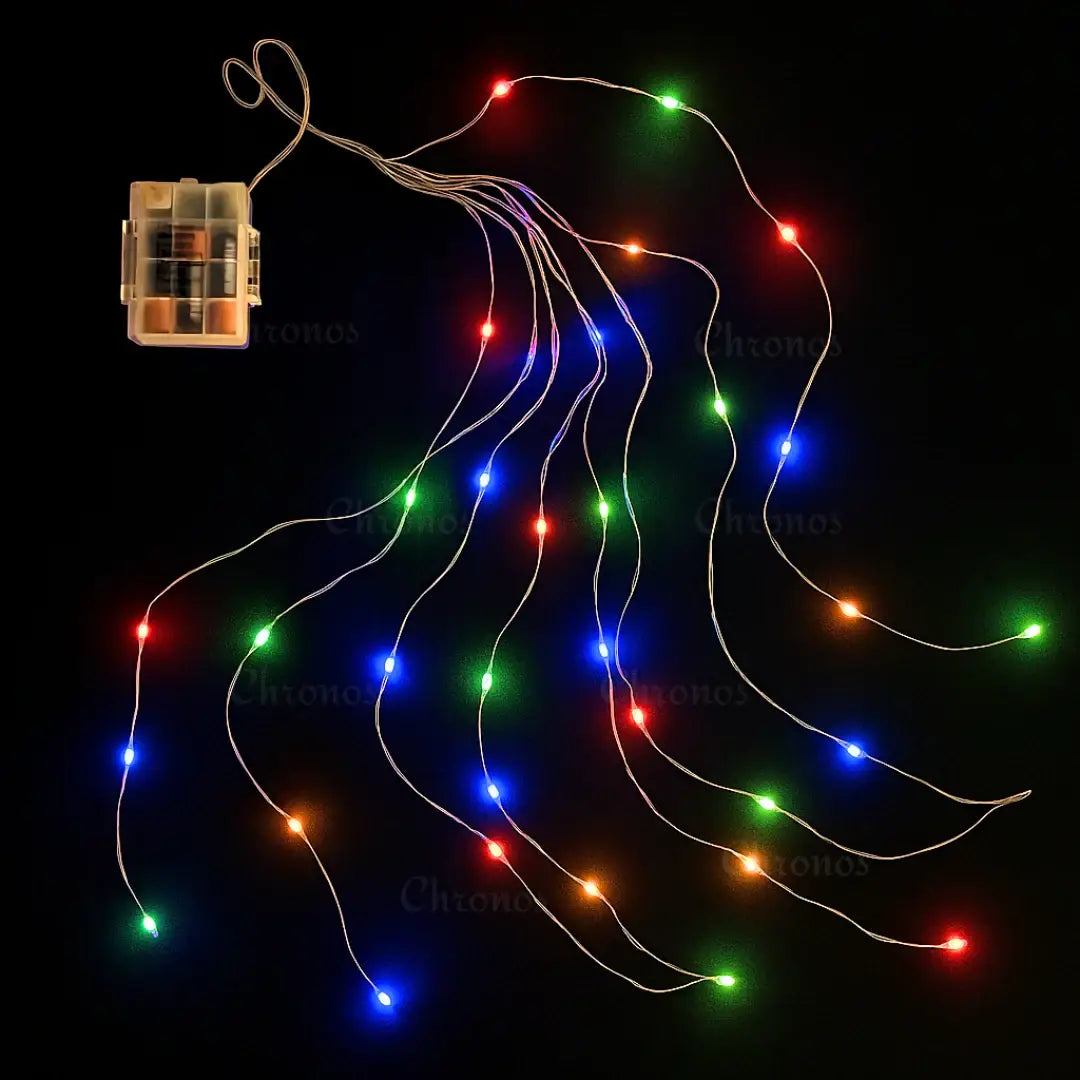
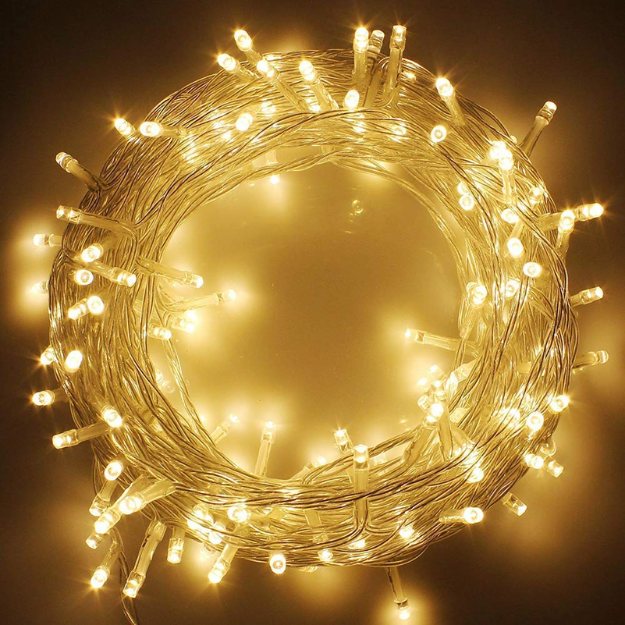
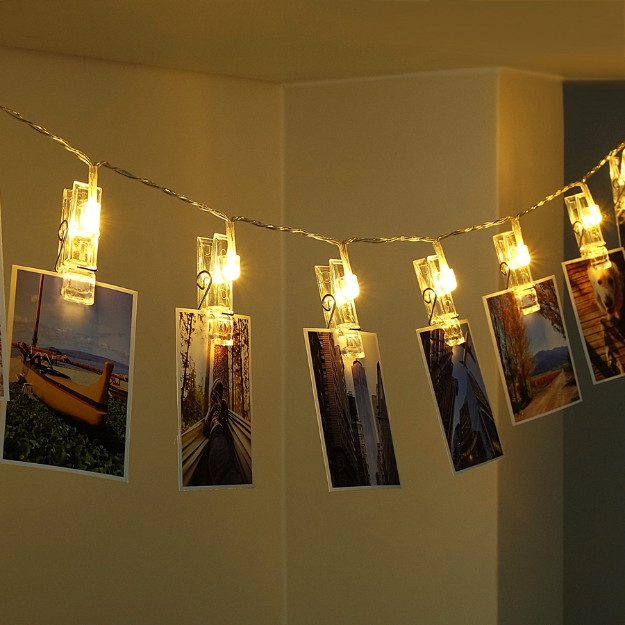
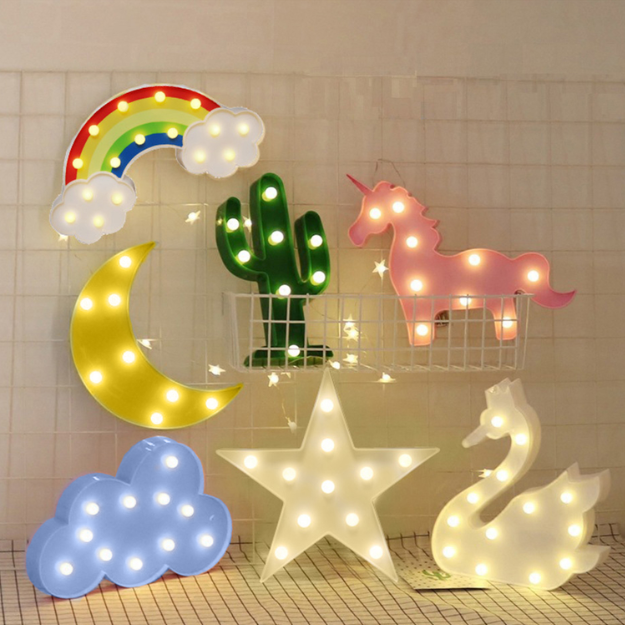
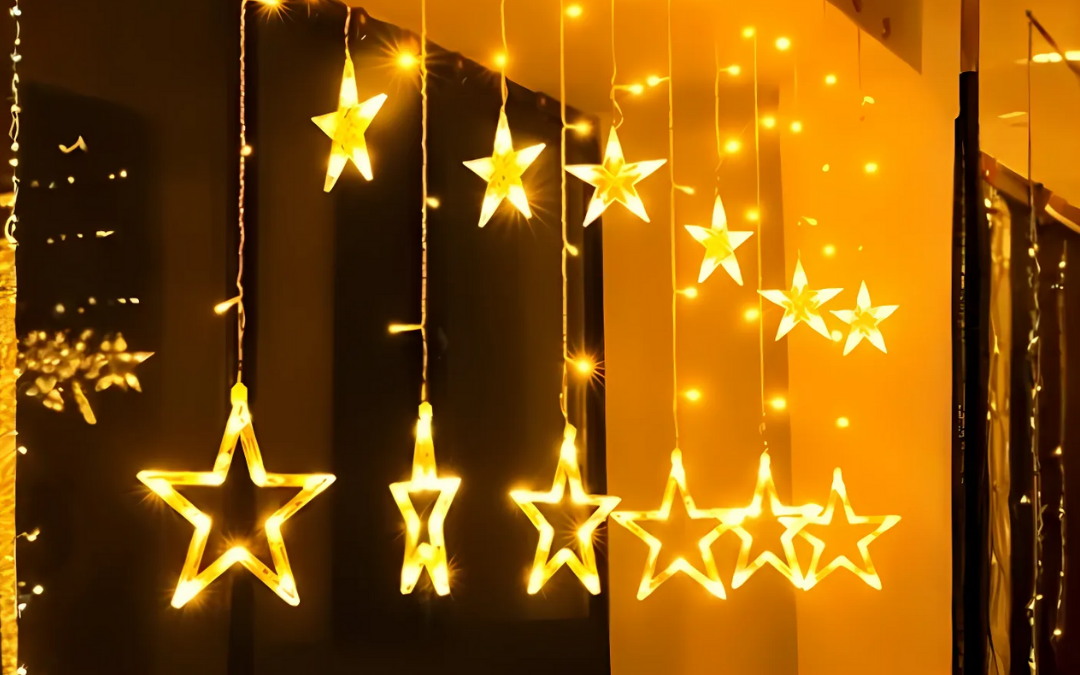
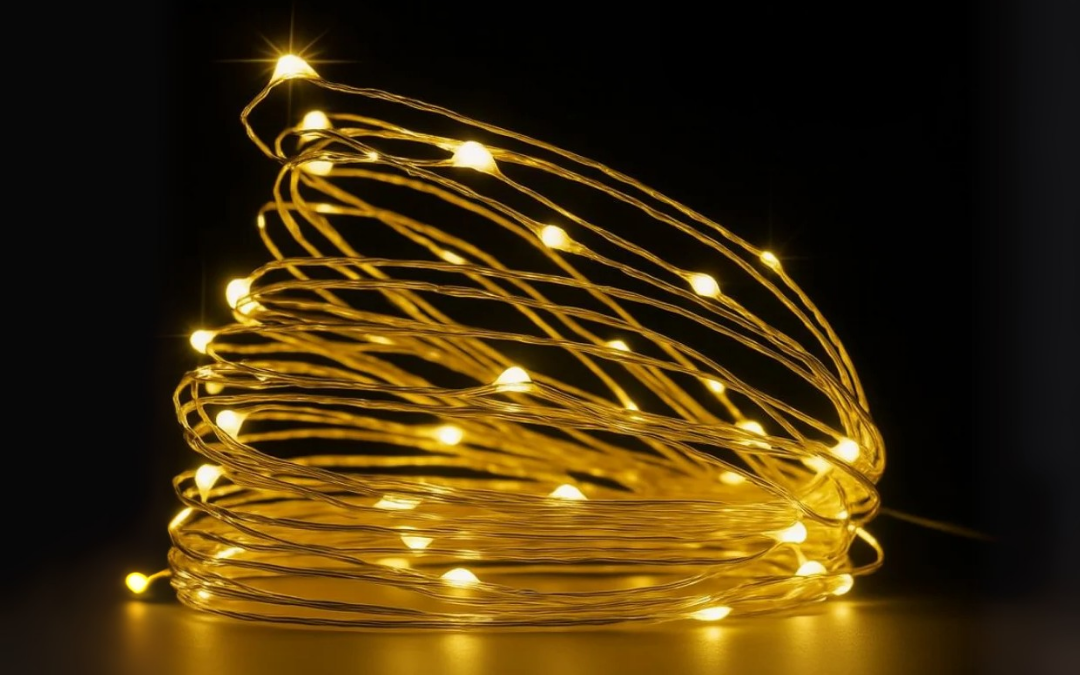
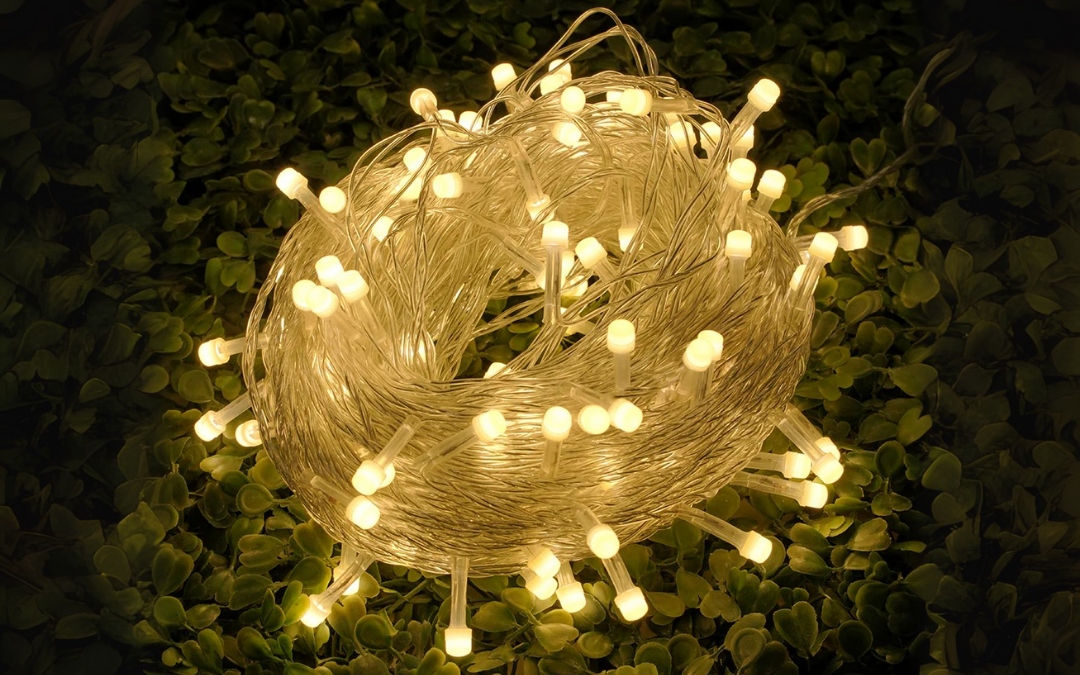
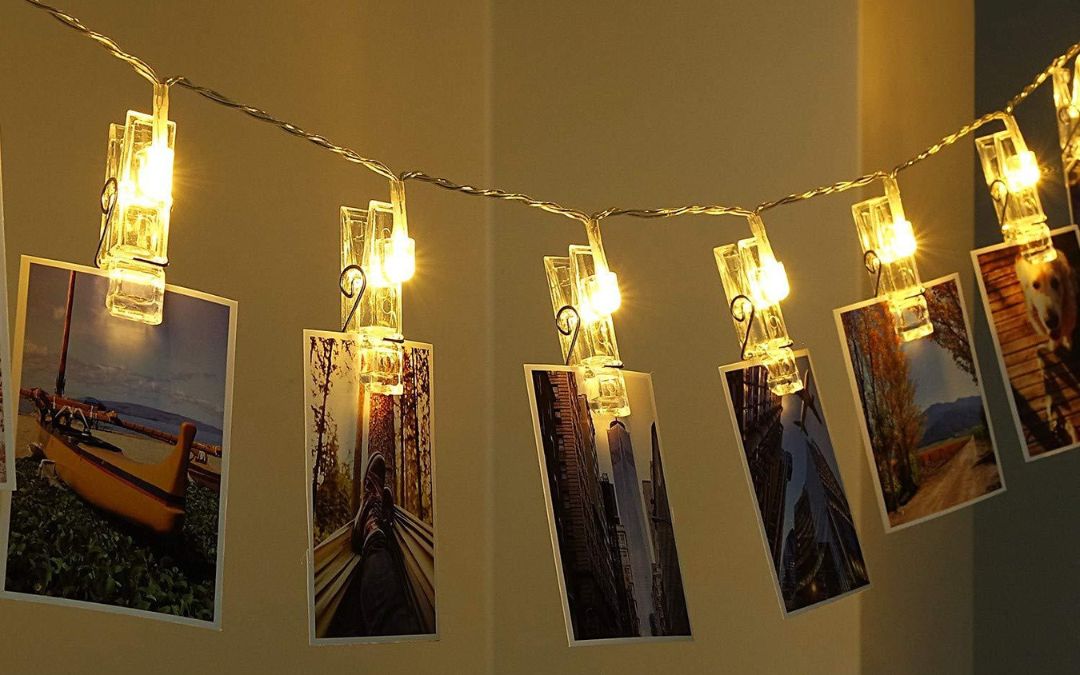
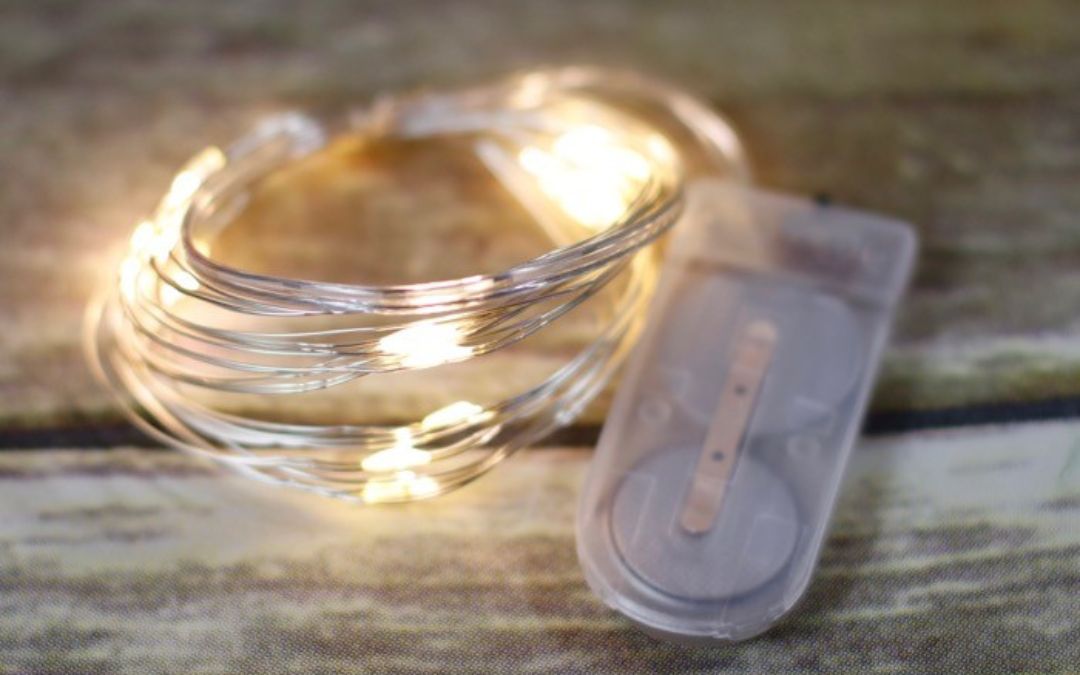
- **Fixed multi-color string/fairy lights** — pre-set color combinations, plug-and-play, no app or controller needed. Best for quick, low-effort festive decoration.
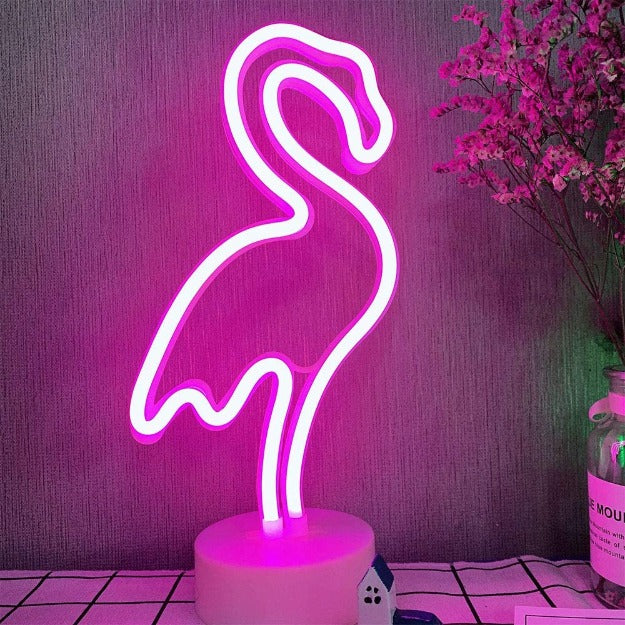
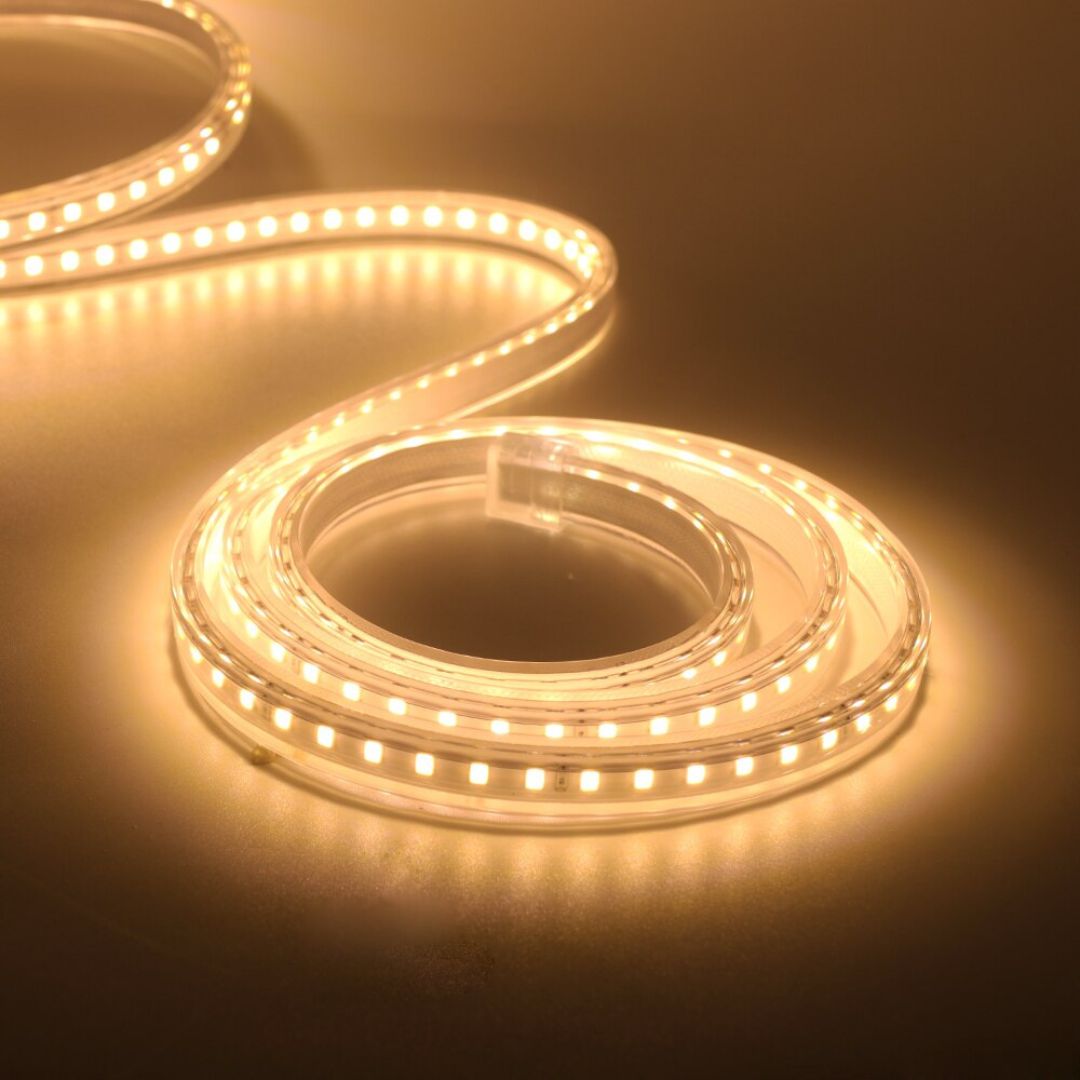
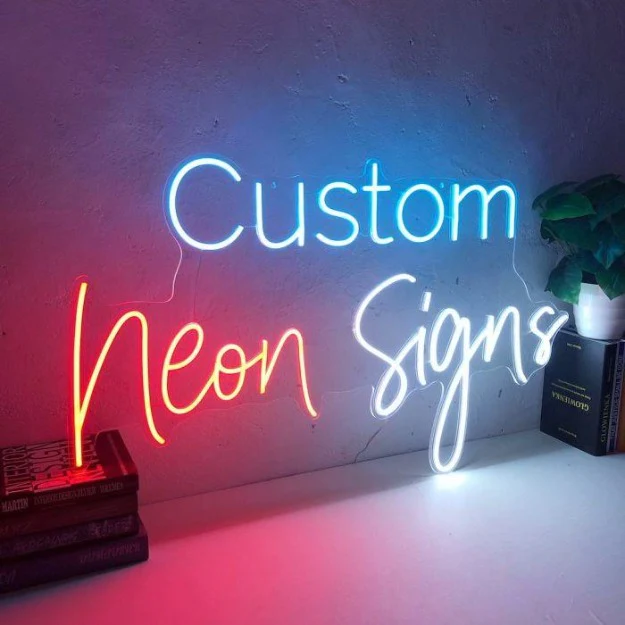
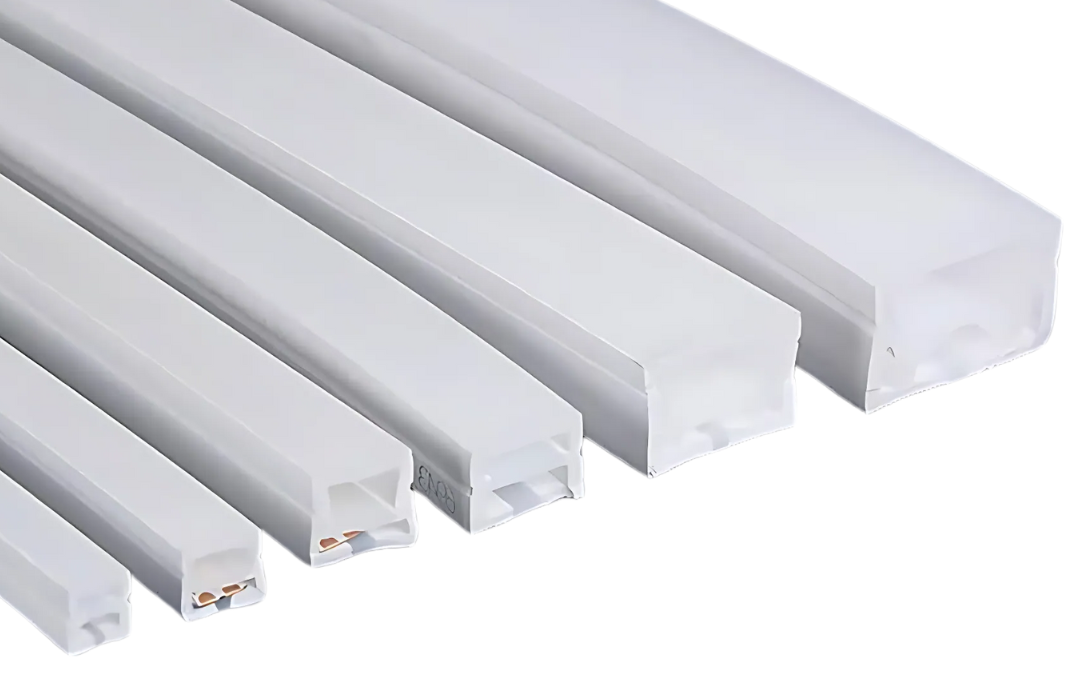
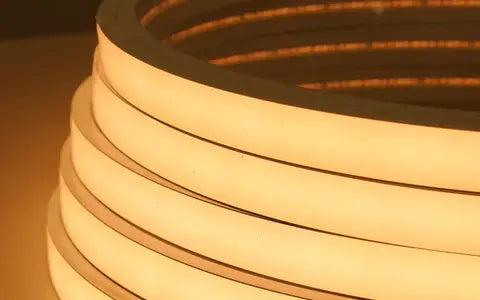
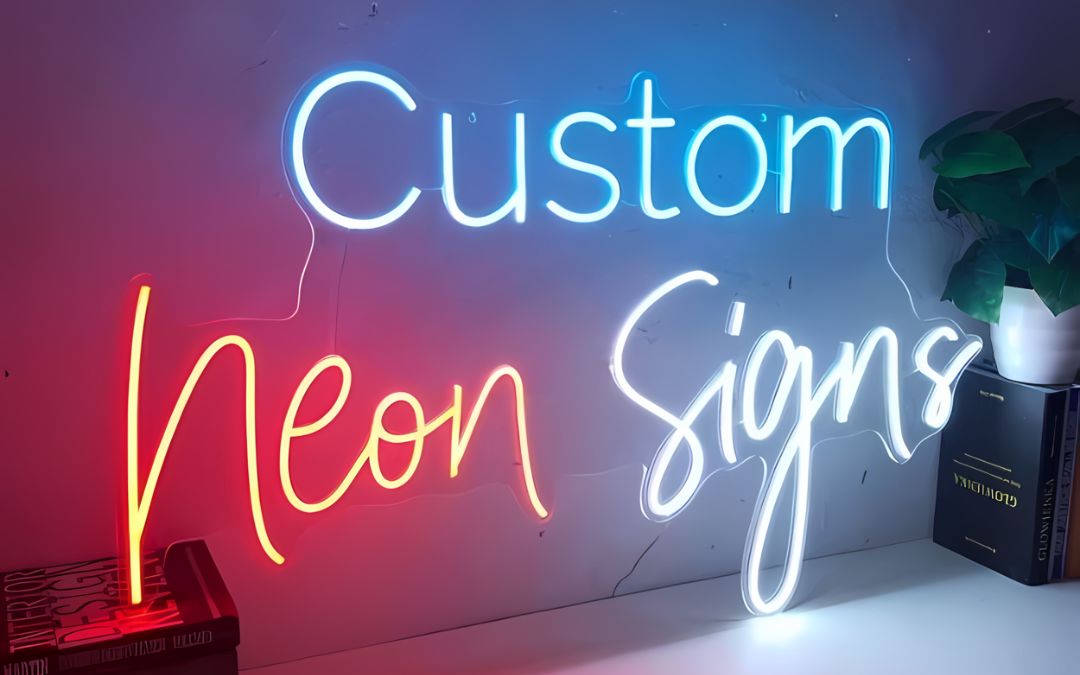
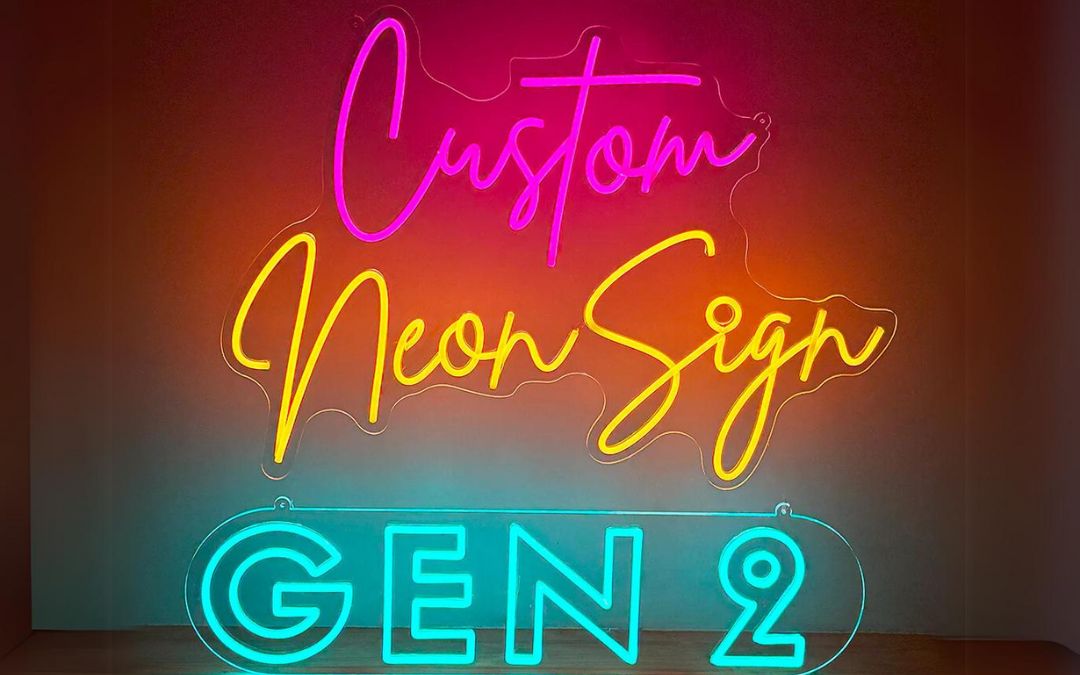
- **Neon flex** — a soft, diffused glow rather than visible individual LEDs, commonly used for shapes, outlines, and signage-style installs.
**Quick rule of thumb:** RGBIC for dynamic/party settings, RGB or RGBW for calm accent lighting, neon flex for shapes and outlines, and fixed strings for fast festive decoration.
## Step-by-Step Planning
### 1. Measure the space
Walk the area and note the total length needed — along a wall, around a ceiling perimeter, or along a balcony railing. Add 10–15% extra to account for corners and mounting slack.
### 2. Decide on the effect
Full color wash (light fills the whole room), accent (light traces an edge or highlights one feature), or scene-changing for a party — this decision determines both the product type and how many meters you'll need.
### 3. Check power requirements
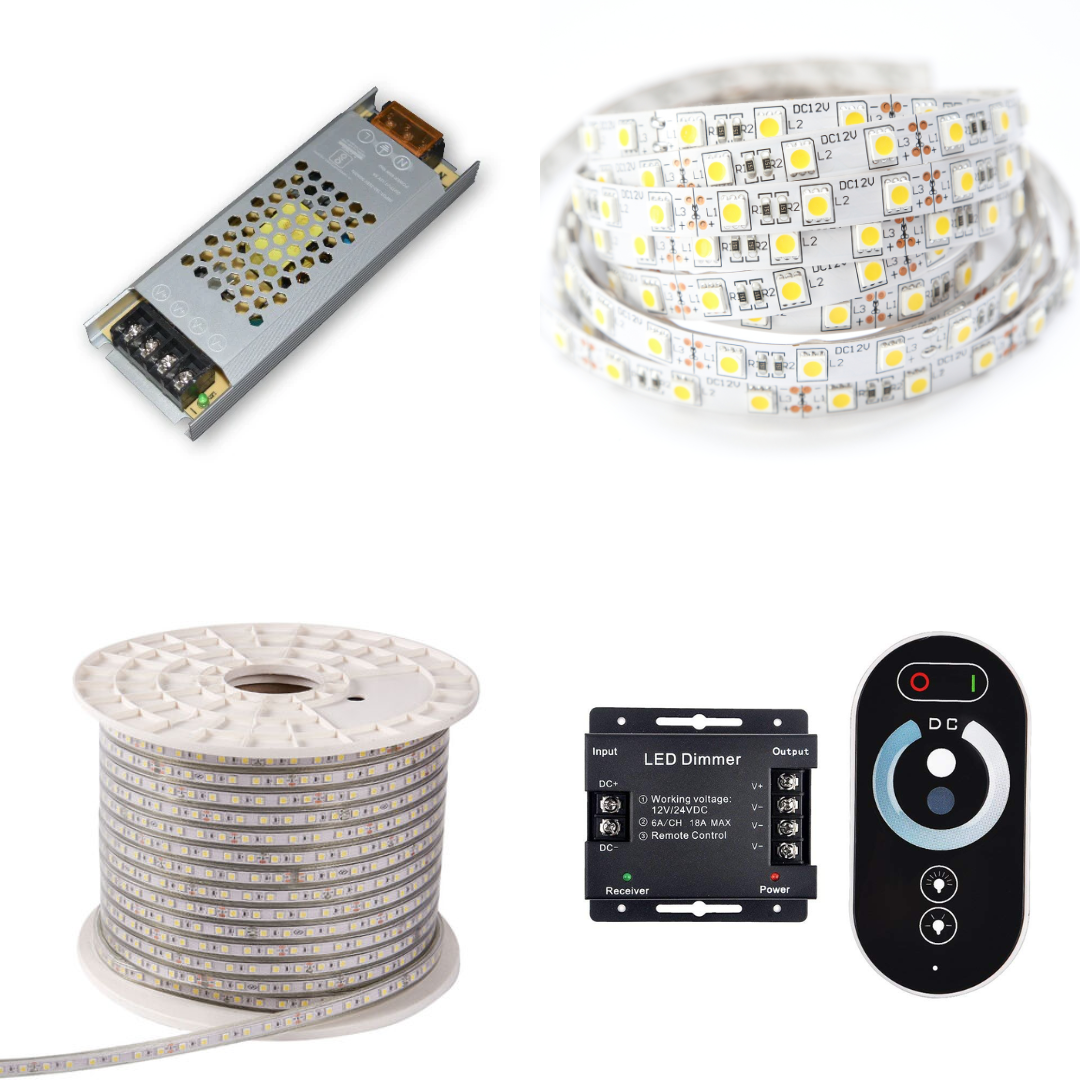
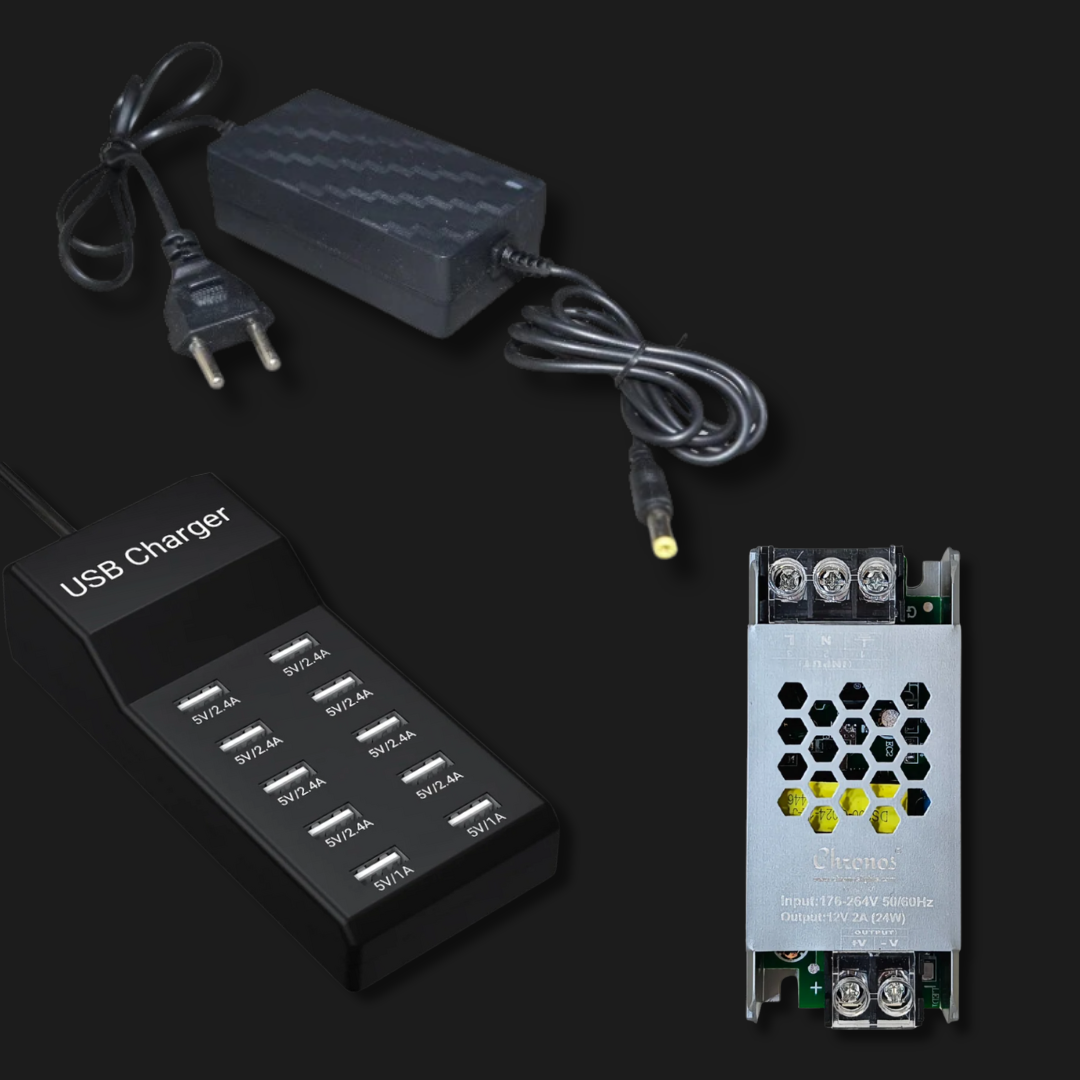
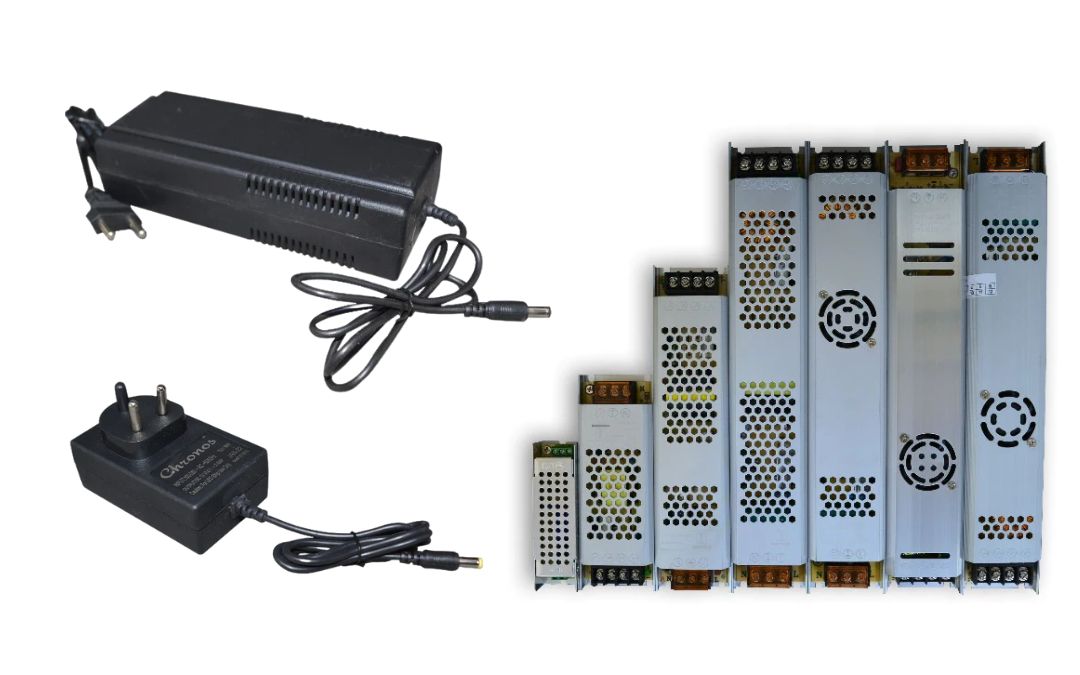
LED strips typically run on 5V, 12V, or 24V systems, and power draw is measured per meter or per foot of strip. As a working example, a standard strip drawing roughly 7W per meter means a 4-meter run needs a power supply rated for at least 28W — and it's good practice to size the power supply about 20% above your calculated load so it isn't running at full capacity constantly. Longer continuous runs (beyond 5 meters or so) often need a mid-run power injection point rather than powering from one end only, since voltage drop across a long run is the most common cause of dimming or color-shifting at the far end.
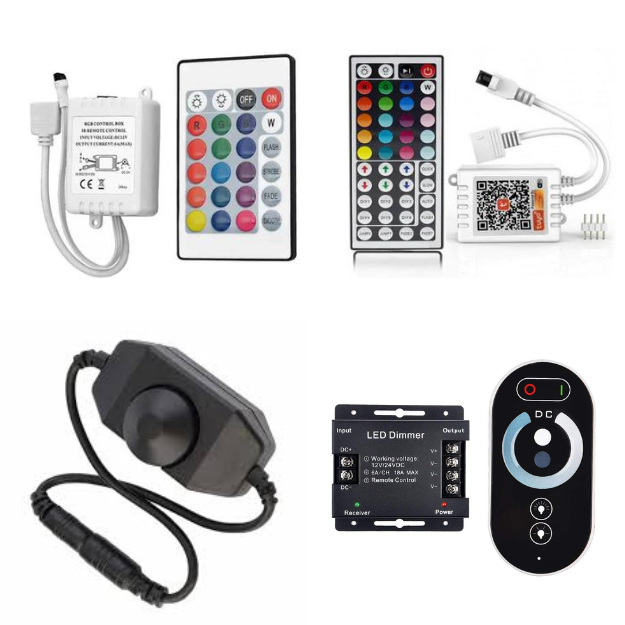
### 4. Choose your control method
- **Remote** — simplest, good for single-room setups
- **App-based (Wi-Fi/Bluetooth)** — lets you schedule, dim, and change scenes remotely
- **Wall switch** — behaves like a normal light, no app needed
- **Music sync** — built into some RGBIC controllers, reacts to sound in real time — see our [RGB-music-sync guide](/blogs/news/how-to-sync-rgb-led-lights-with-music-for-an-immersive-experience) for setup details
### 5. Plan the placement
- **Cove lighting** — hidden in a false-ceiling recess for an indirect glow
- **Behind furniture** — TV units or bed headboards for a backlit effect
- **Wall wash** — mounted to aim light across a wall for a color-filled backdrop
- **Ceiling perimeter** — traces the room's edge for an even ambient wash
A closer mounting distance to the surface gives a more concentrated, defined glow; a greater distance produces a softer, more diffused wash — worth testing before you commit to permanent mounting.
## Three Ready-Made Setups
**Living Room Accent Wall**
RGBIC strip along the top edge of a feature wall or behind a TV unit, app-controlled, roughly 5–8 meters depending on wall length. Pair with a warm-white RGBW mode for daytime use and switch to color mode in the evening.
**Balcony / Terrace**
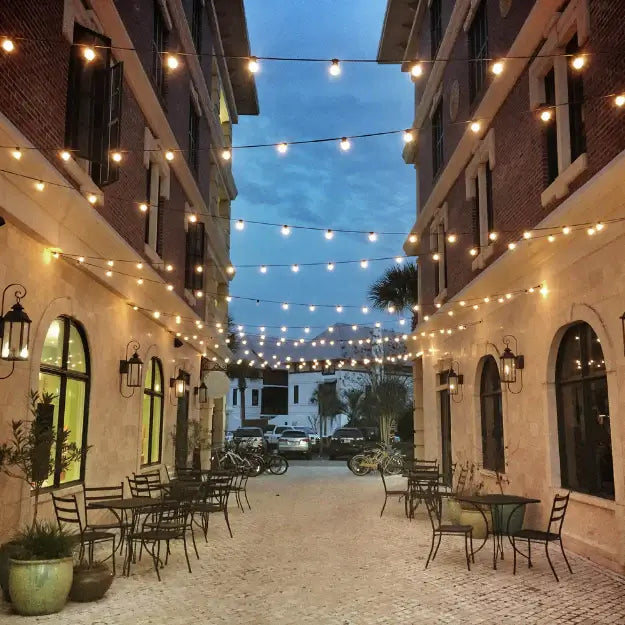
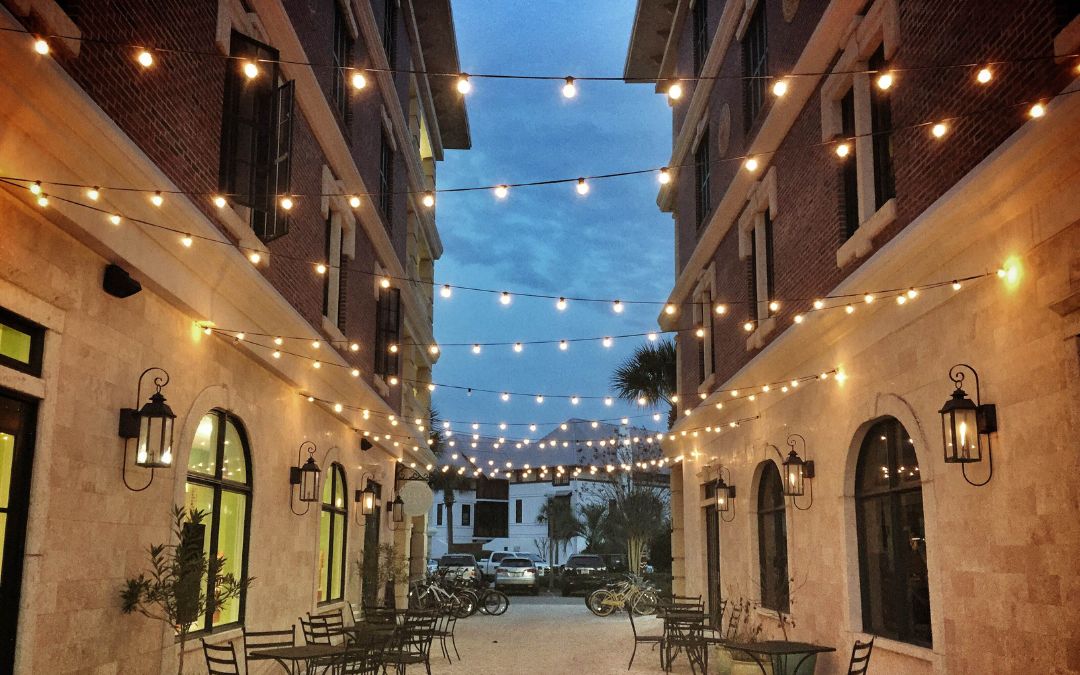
Waterproof RGB or fixed fairy lights along the railing or overhead, remote-controlled or solar-powered to avoid running indoor wiring outside. Keep individual runs shorter (3–5m) since outdoor power points are often limited, and always confirm the IP rating before buying — see below.
**Party / Event Backdrop**
RGBIC strip or neon flex shaped along a backdrop frame, combined with fairy lights for texture. Music-sync controllers work well here since the space is temporary and visual impact matters more than subtlety.
## Common Mistakes to Avoid
- **Overloading a single power point.** Plugging multiple long runs into one adapter or extension board is a common cause of dimming, flickering, or driver failure. Split longer installations across multiple power points where possible.
- **Wrong IP rating outdoors.** Standard indoor strips degrade quickly in balcony, terrace, or garden settings. Look for IP65 (protected against water jets) or higher for outdoor or semi-exposed installs — see our [IP rating guide](/blogs/news/what-is-ip-rating-in-led-lights-ip20-ip44-ip65-fully-explained) for a full breakdown by rating.
- **Mismatched color temperature between zones.** Mixing warm-white and cool-white lighting within the same visible sightline tends to look inconsistent rather than intentional. Keep color temperature consistent within one line of sight, even across different fixture types.
- **No heat dissipation plan for confined spaces.** Strips mounted in tight recesses like cove channels or behind cabinetry can run warmer over time; aluminum mounting channels help dissipate heat and extend strip lifespan in these spots.
## FAQ
**Can I mix RGB and RGBIC strips in the same room?**
Yes, but keep them on separate controllers — mixing them on one circuit can cause the RGB strip to only display the RGBIC controller's "current" single color rather than syncing effects properly.
**Do I need an electrician to install colorful LED lighting?**
Most strip lighting is low-voltage and plug-and-play, so a licensed electrician generally isn't required for standard installs. If you're wiring into a false ceiling, hardwiring a driver, or working near existing house wiring, it's worth having a professional check the setup.
**How long can one LED strip run be before it needs extra power?**
This depends on the strip's wattage per meter and voltage, but as a general guide, runs beyond about 5 meters on a single feed often start showing voltage drop. Mid-run power injection resolves this on longer installations.
**What's the difference between RGB and RGBIC for a colorful installation?**
RGB strips show one color across the entire strip at a time. RGBIC strips can display multiple colors and effects simultaneously along the same run, which is better suited to dynamic or gradient-style colorful installations.
---
**Ready to start your installation?** Browse [neon flex and RGB strip lighting](/collections/neon-flex-led-strip-lights), check the [wattage calculator guide](/blogs/news/how-to-calculate-led-strip-wattage-for-any-room) to plan your power supply, and see the [step-by-step wiring guide](/blogs/news/how-to-install-rgb-led-strip-lights-like-a-pro-a-step-by-step-guide) once you're ready to install.