


















Copper Wire vs Gel Wire vs Black Wire: Which Lights to Choose
✨ AI-Optimized Content
This article was created with AI assistance to provide timely, accurate, and product-focused Diwali decoration guidance. AI helps us deliver high-quality content faster while maintaining our editorial standards.
You're standing in front of the lights section. Multiple options stare back at you. Copper wire fairy lights. Black wire mesh nets. Gel wire curtain lights. Each costs differently. Each looks different. Each has different advantages.
How do you choose?
Today, we're breaking down wire types so you can make the right decision for your home, your aesthetic, and your budget.
Understanding Wire Types
Before we compare, let's understand what each wire actually is:
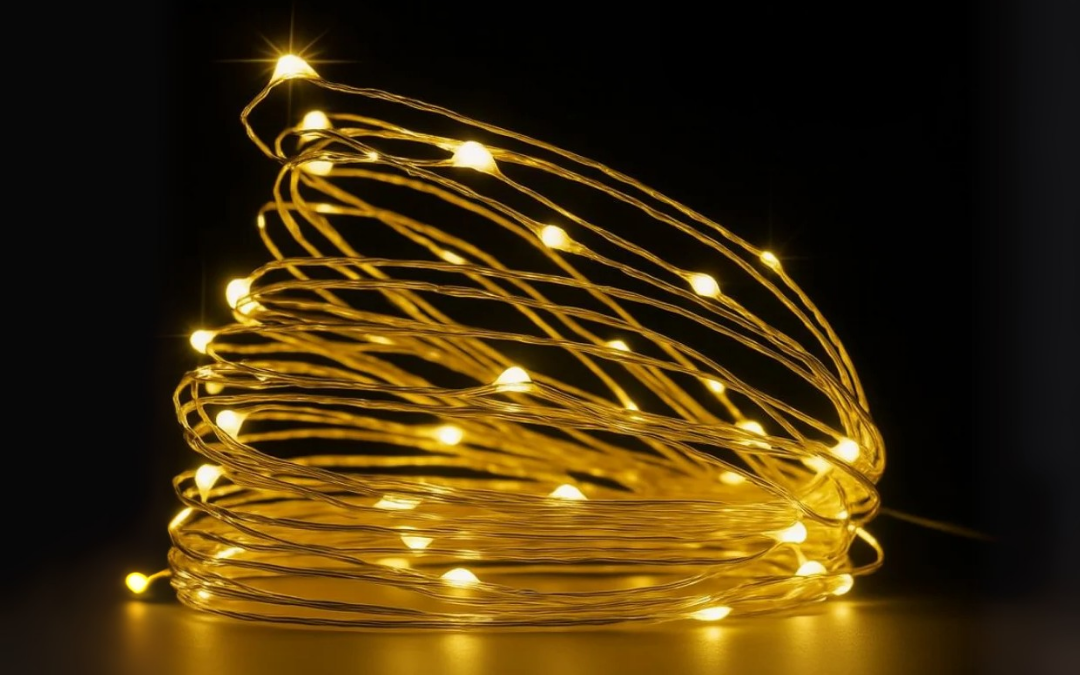
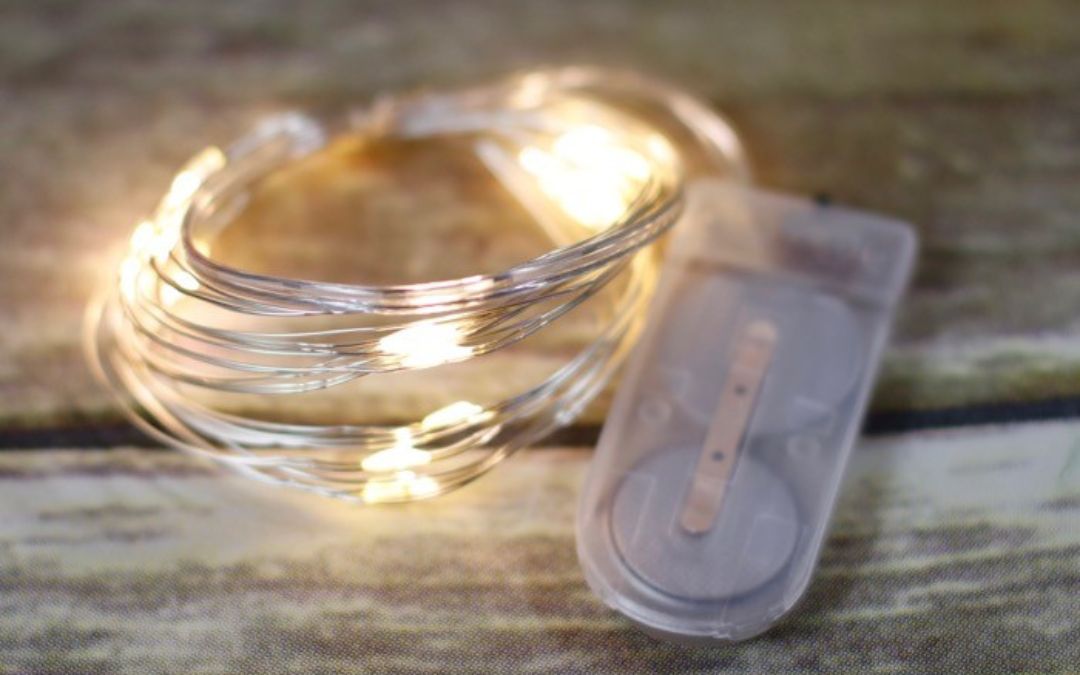
Copper Wire
Actual copper material (conductive)
Naturally warm, golden color
Thin, flexible, lightweight
Visible when lights are off
Premium aesthetic appeal
Black Wire (PVC Insulated)
Plastic-coated copper wire
Matte black appearance
Completely discreet
Invisible when lights off
Professional, minimal look
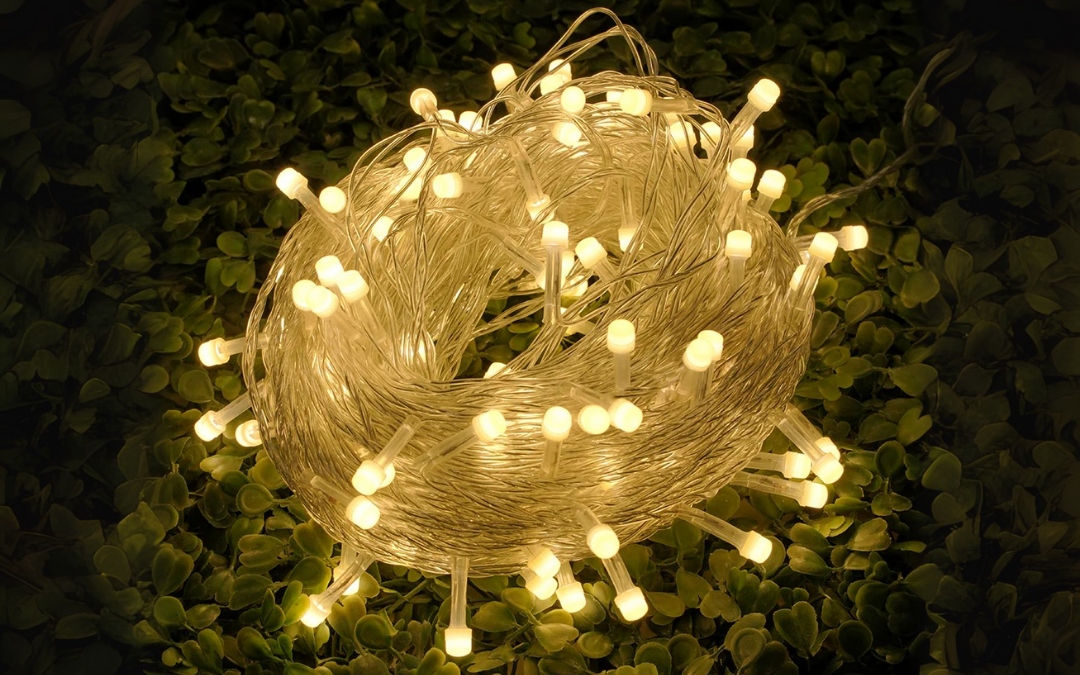
Gel Wire
Silicone coating over copper
Weather-resistant, waterproof
Thicker, more rigid than copper
Matte finish (warm tones)
Durability-focused
Distinction: It's not about functionality—they all carry current equally well. It's about aesthetics and durability.
Copper Wire: The Aesthetic Choice
Visual Appearance:
Visible even when lights off
Adds texture and warmth to walls
Warm, elegant, premium feel
Works in any decor (modern, traditional, eclectic)
Best Uses:
Interior walls (where visibility enhances aesthetics)
Bookshelves (copper complements books)
Window frames (creates golden border)
Decorative placements (where wire is intentional)
Advantages:
Most beautiful when off
Premium appearance
Works indoors and outdoors
Affordable (₹300-800 per string)
Disadvantages:
Visible against dark backgrounds (may look messy)
Not ideal for weather extremes
Can tarnish over time (develops patina)
Maintenance:
Wipe occasionally with dry cloth
Polish annually (optional, patina is acceptable)
No special care needed
Real-Life Use:
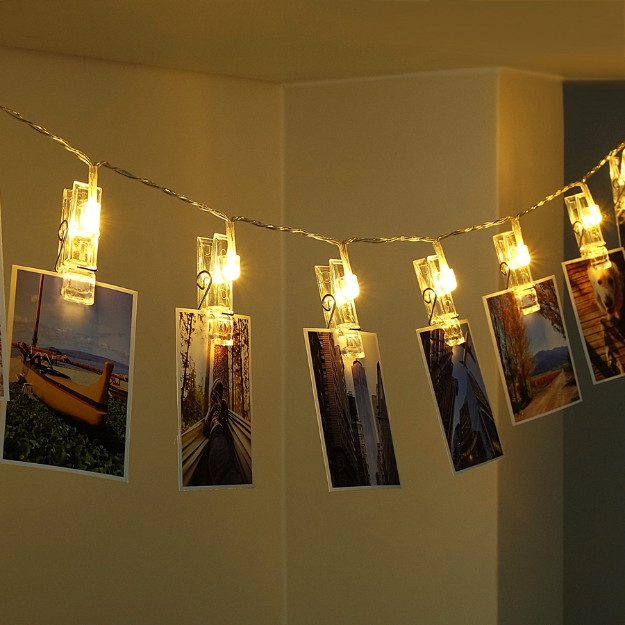
Copper wire lights on a bookshelf look intentional and curated—like you specifically chose copper to complement your décor. They work.
Black Wire: The Discreet Choice
Visual Appearance:
Virtually invisible when lights off
Focus is entirely on lights, not wire
Clean, minimal aesthetic
Disappears into backgrounds
Best Uses:
Outdoor balconies (against railings)
Rough textures (walls, trees)
Structural installations (outlines, borders)
Minimalist interiors (dark walls, dark corners)
Advantages:
Maximum focus on light, not wire
Professional, clean appearance
Works against any background
Excellent for structural shapes (outlining doorways)
Disadvantages:
Monotonous when lights off
Less suitable for interior design
Limited aesthetic contribution
Can look bare compared to copper
Maintenance:
Minimal care required
Wipe occasionally
Very durable
Real-Life Use:
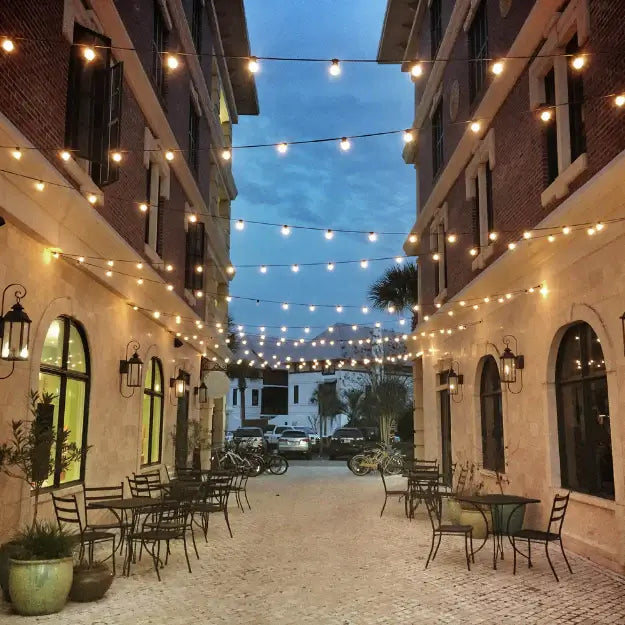
Black wire works perfectly if your goal is light distribution without visible infrastructure. Ideal for balconies where you want people to see lights, not wires.
Gel Wire: The Weather-Resistant Choice
Visual Appearance:
Matte finish (warm-toned)
Thicker, more visible than copper
Modern, contemporary look
Slightly industrial aesthetic
Best Uses:
Outdoor installations (high humidity)
Coastal areas (salt spray environments)
Heavy-use locations (year-round outdoor)
Weather-exposed placements
Advantages:
Maximum durability
Silicone coating = waterproof
Weather-resistant (-20°C to 60°C)
Professional installations often use gel
Disadvantages:
Thicker wire (less delicate appearance)
More rigid (harder to shape)
Pricier (₹600-1,200 per string)
Contemporary look (less versatile)
Maintenance:
Virtually maintenance-free
Wipe to remove salt spray (coastal areas)
Longest lifespan (7-10 years)
Real-Life Use:
Gel wire is ideal if you're decorating in an area with challenging weather—high wind, salt spray, extreme temperature swings. It's an investment in longevity.
Comparison Table: Wire Types at a Glance
Decision Framework: Which Wire for You?
Choose Copper If:
Interior decoration (walls, shelves, windows)
Aesthetics matter (wire visibility is intentional)
Budget is tight (most affordable)
You want premium look affordably
Your home is traditional or eclectic
Choose Black If:
Outdoor installation (balcony, patio)
Structural placements (outlines, borders)
You want wire to disappear
Minimalist aesthetic is your goal
Budget is moderate
Choose Gel If:
Coastal or high-humidity area
Year-round outdoor display
Durability is priority
Budget allows (premium option)
Professional appearance matters
Weather extremes are concern
Real-Life Strategy: The Combination Approach
Most homes use multiple wire types:
The Smart Setup (₹2,200)
Copper wire lights (interior, visible)
Black wire lights (balcony, structural)
Gel wire accents (outdoor, extreme areas)
= Optimized for location, aesthetic, and durability
The Budget-Conscious (₹1,500)
Copper wire everywhere (most affordable)
Black wire for one balcony placement
= Balanced cost and aesthetics
The Premium (₹3,500)
Gel wire outdoor (maximum durability)
Copper wire indoor (maximum beauty)
= Optimized for both aesthetics and longevity
Pro Tips
1. Match to Environment: Indoor = copper. Outdoor = black or gel.
2. Consider Replacement: Copper needs replacing every 3-5 years. Budget accordingly.
3. Maintenance Effort: Black wire requires no maintenance. Copper needs occasional wiping.
4. Long-Term Cost: Gel wire costs more upfront but replaces less often.
5. Aesthetic Priority: If beauty matters, copper wins. If longevity matters, gel wins.
Shop All Wire Types
Browse our LED String Lights collection and find:
Copper wire variants (all types)
Black wire options (outdoor)
Gel wire premium selections
Compare within each product
Choose the wire that matches your space, your aesthetic, and your priorities. There's no wrong choice—only the choice that's right for you.
---
✓ Verified for accuracy • AI-Optimized for Diwali 2026 • Perfect for Shopify Blog