






















Troubleshooting Guide: Common Issues with Silicone LED Profiles and How to Fix Them
Keeping Your Silicone LED Profiles Performing Perfectly
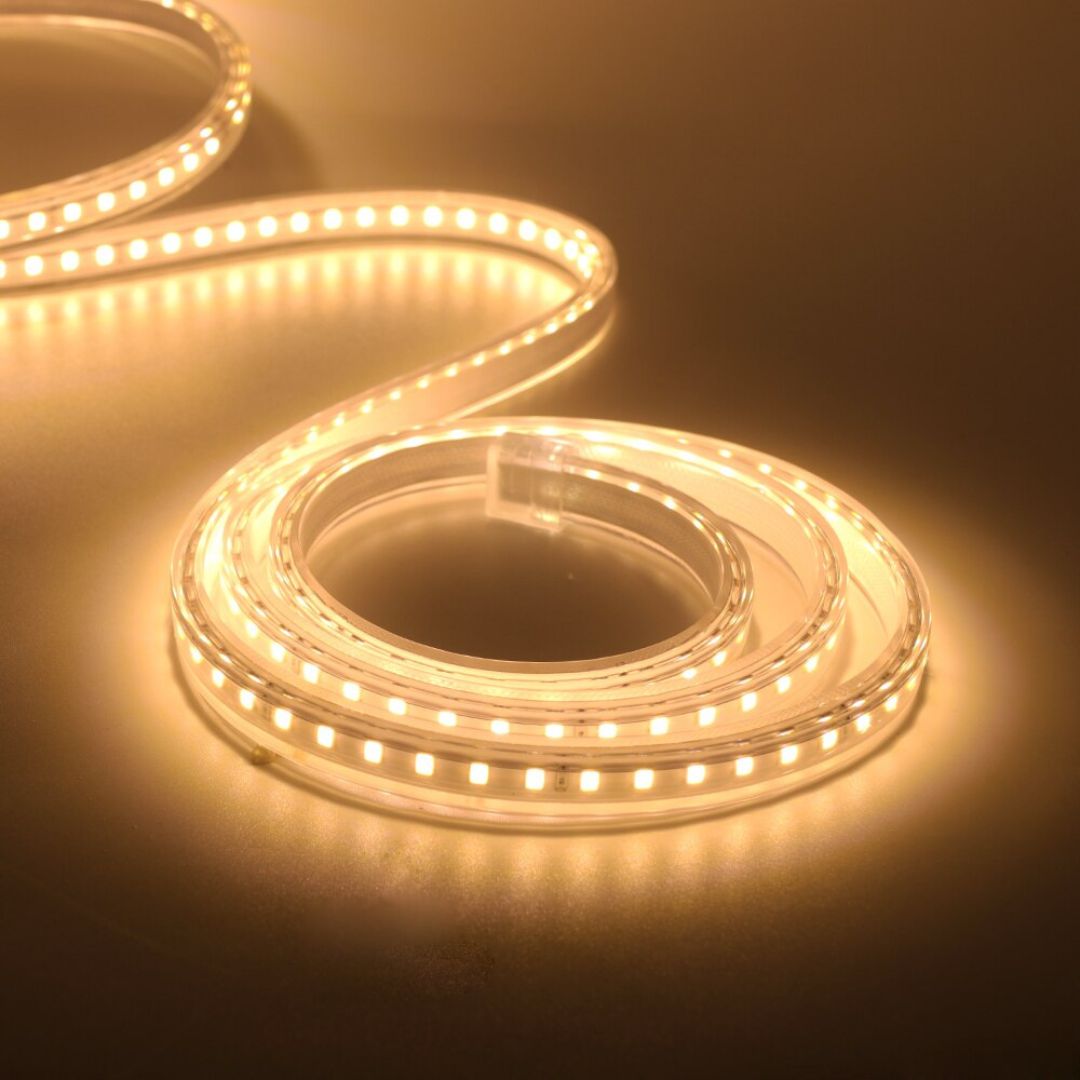
Flexible Silicone LED Profiles are known for their durability, flexibility, and flawless light diffusion. However, like any lighting system, occasional performance issues may arise—usually due to installation errors, environmental factors, or compatibility mismatches.
This troubleshooting guide will help you identify, fix, and prevent the most common problems with silicone LED profiles, ensuring your lighting installations remain efficient, elegant, and long-lasting.
1. Uneven or Flickering Light
Possible Causes:
-
Loose or poor electrical connections
-
Low-quality LED strips or drivers
-
Voltage drop over long runs
-
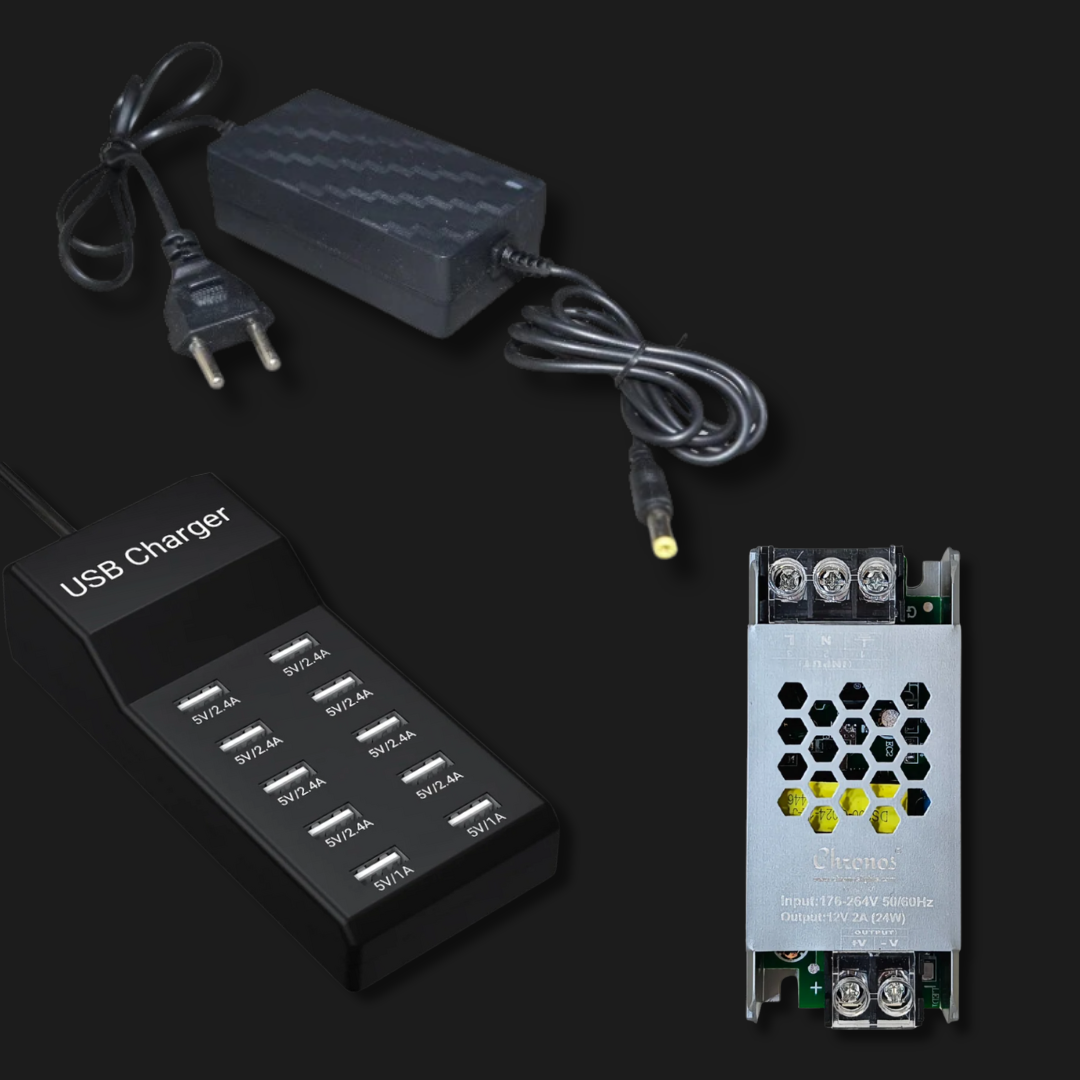
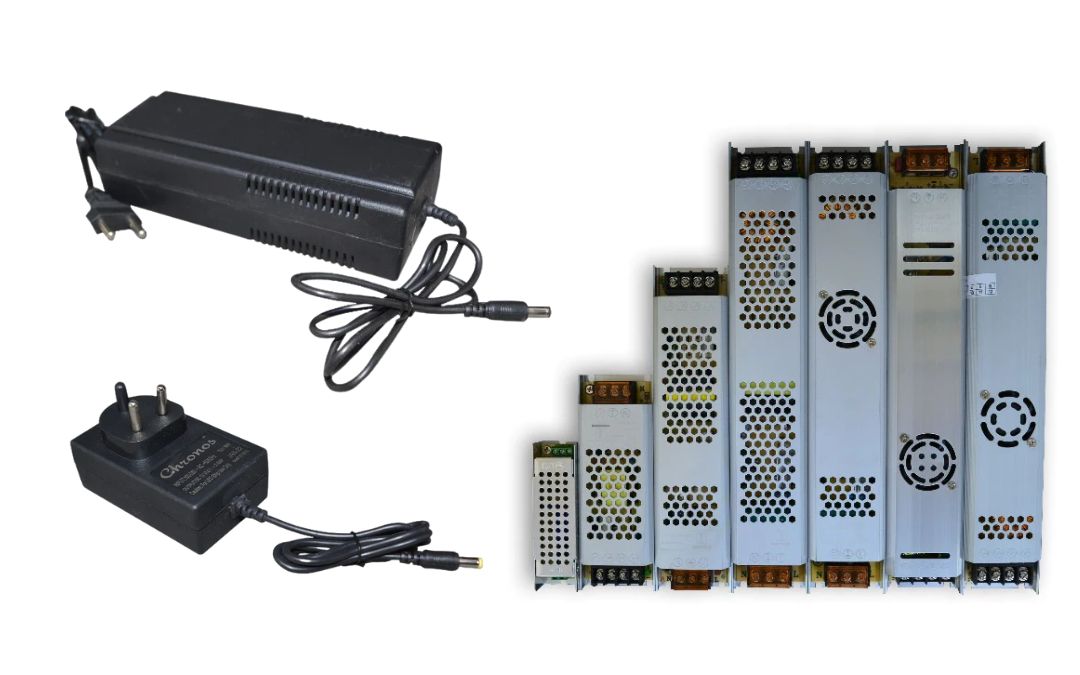
Incorrect power supply (mismatched wattage)
Solutions:
✅ Ensure all connections are securely soldered or clipped using waterproof connectors.
✅ Use constant voltage LED drivers (12V or 24V) suited to your LED strip’s rating.
✅ For runs longer than 5 meters, use power injection at intervals to prevent voltage drop.
✅ Always check polarity (+/-) before powering the circuit.
2. LED Strip Overheating
Possible Causes:
-
Overloaded LED strips (too high wattage per meter)
-
Inadequate ventilation in silicone housing
-
Using non-waterproof strips in sealed profiles
Solutions:
✅ Match the LED strip wattage with the silicone profile’s heat dissipation capacity.
✅ Use vented end caps for indoor profiles to allow minor airflow.
✅ Select IP65/IP67 waterproof LED strips for enclosed silicone profiles.
✅ Avoid running LEDs at maximum brightness 24/7—use dimmers when possible.
3. Yellowing or Discoloration of Silicone
Possible Causes:
-
Exposure to low-quality silicone material
-
Prolonged UV exposure or excessive heat
-
Chemical reaction with adhesives or cleaning agents
Solutions:
✅ Always choose high-grade, UV-stabilized silicone profiles (like Chronos Lights’ Made-in-India range).
✅ Avoid contact with strong solvents or acetone-based adhesives.
✅ Install profiles away from direct exposure to high-intensity lamps or heat vents.
4. Water Ingress or Condensation
Possible Causes:
-
Improper sealing at end caps or joints
-
Cracked silicone housing
-
Inadequate waterproof rating (IP less than 65)
Solutions:
✅ Always use IP67-rated profiles and waterproof end caps (with or without hole as required).
✅ Seal joints using silicone adhesive and test before final installation.
✅ For continuous water immersion (like pools), choose IP68-grade strips.
✅ Store silicone profiles in dry conditions before use to prevent condensation.
5. Dimming or Uneven Brightness Over Time
Possible Causes:
-
LED strip aging or poor-quality chips
-
Unequal power distribution
-
Overheating causing diode degradation
Solutions:
✅ Replace LED strips every 30,000–50,000 hours for consistent brightness.
✅ Use high-efficiency power supplies and even distribution wiring.
✅ Opt for premium LED strips from reputed brands for long life.
6. Difficult Installation or Bending Issues
Possible Causes:
-
Incorrect bending radius applied
-
Forcing tight corners with Top View profiles
-
Using the wrong profile type for application
Solutions:
✅ Refer to manufacturer’s recommended bend radius (usually 50–100mm).
✅ Use Side View or 360° Round Profiles for curving surfaces instead of Top View.
✅ Warm up the silicone slightly before installation in cold environments to improve flexibility.
7. Connector or Soldering Failures
Possible Causes:
-
Low-quality connectors or poor soldering
-
Corrosion due to moisture
-
Excess mechanical stress at joints
Solutions:
✅ Use waterproof metal clips and connectors.
✅ Apply heat shrink tubing and silicone gel to solder joints.
✅ Avoid pulling or twisting the profile near connections.
8. Power Supply or Controller Malfunction
Possible Causes:
-
Wrong voltage driver (12V/24V mismatch)
-
Power overload or surge
-
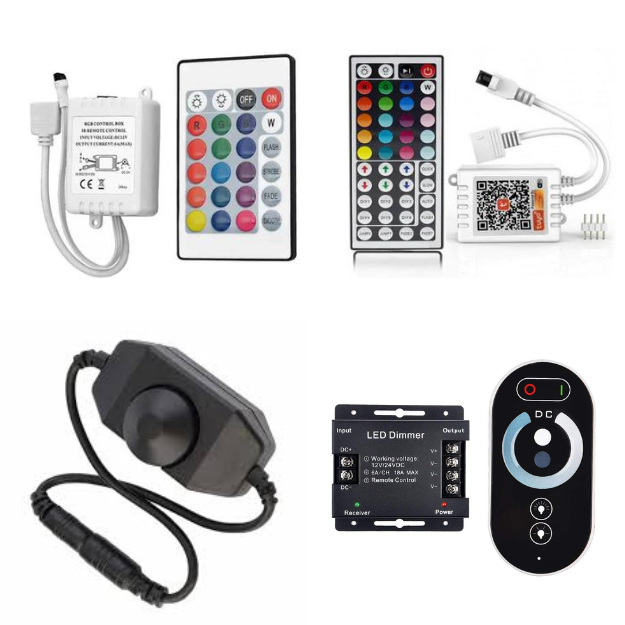
Faulty dimmer or RGB controller
Solutions:
✅ Use certified drivers with overload and surge protection.
✅ Ensure total LED wattage < 80% of driver capacity.
✅ Replace damaged controllers or dimmers immediately.
Preventive Maintenance Tips
-
Inspect connections and seals every 6–12 months.
-
Keep outdoor installations free from accumulated dirt or moisture.
-
Use correct wattage drivers and avoid daisy-chaining beyond the recommended limit.
-
Replace damaged silicone or cracked end caps promptly.
Quick Reference: Troubleshooting Summary
|
Issue |
Common Cause |
Recommended Fix |
|
Flickering lights |
Loose connections |
Check soldering & connectors |
|
Overheating |
Overload or poor ventilation |
Use IP-rated strips & dimmers |
|
Discoloration |
UV or heat exposure |
Use UV-stable silicone |
|
Water ingress |
Poor sealing |
Use IP67+ rated profiles & end caps |
|
Uneven brightness |
Power loss |
Add power injection |
|
Bending problems |
Tight radius |
Use Side/360° profiles |
|
Connector issues |
Moisture |
Use waterproof clips |
|
Power failure |
Faulty driver |
Replace with rated PSU |
FAQs
Q1. My silicone LED profile flickers randomly. What should I check first?
Check your power supply voltage and all solder joints. 90% of flicker issues are caused by loose or incorrect connections.
Q2. Can I reuse silicone profiles after removing LED strips?
Yes, but ensure the inner surface is clean and free from adhesive residue before reinstalling new strips.
Q3. What happens if water enters my LED profile?
Immediately disconnect power, dry thoroughly, and reseal joints using silicone adhesive and new end caps.
Q4. Can I repair a cut or cracked silicone profile?
Minor cracks can be sealed using transparent silicone glue, but replacing the section is recommended for long-term performance.
Q5. Why do my LEDs look dim after a few months?
It’s usually LED strip degradation or dust accumulation—clean gently and replace the strip if brightness doesn’t recover.
CTAs
-
🔧 Explore Accessories: Buy End Caps & Mounting Clips →
-
📗 Download Maintenance Guide: Keep your silicone LED profiles performing like new.
-
📞 Get Expert Help: Our technicians can help diagnose and resolve installation issues quickly.
SEO Metadata
Title: Troubleshooting Guide – Common Issues with Silicone LED Profiles and How to Fix Them
Meta Description: Learn how to fix common problems in flexible silicone LED profiles—flickering, overheating, or water ingress—with expert troubleshooting tips.