

















Energy Efficiency and Sustainability of Silicone LED Profiles
Lighting the Future — Bright, Efficient, and Sustainable
In today’s design and construction industry, sustainability isn’t just a trend — it’s a responsibility. Energy-efficient lighting has become essential for reducing environmental impact while maintaining beautiful, functional spaces.
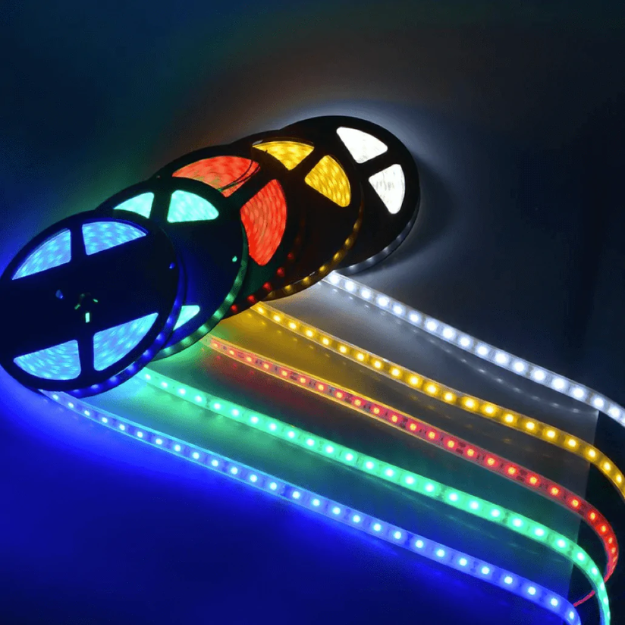
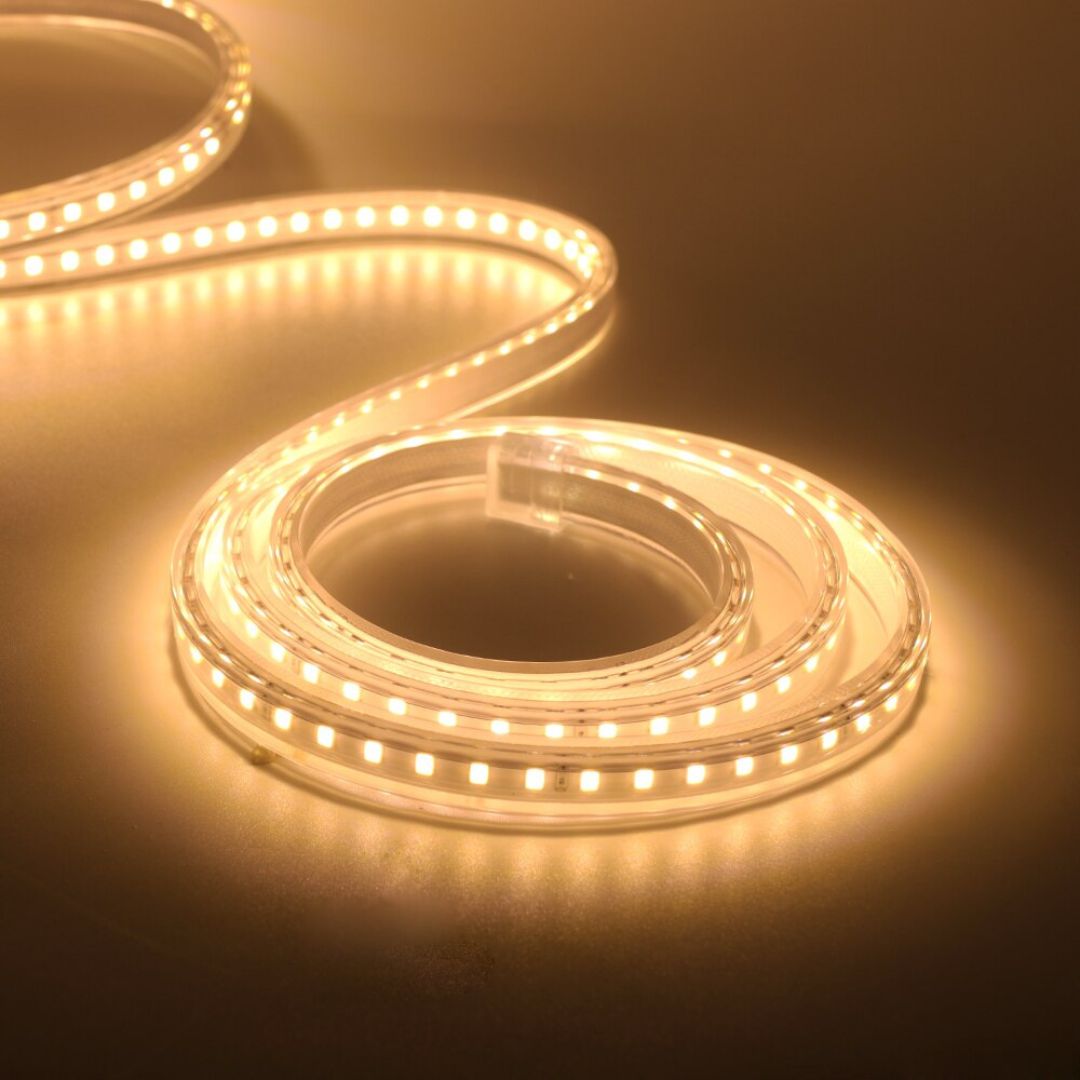
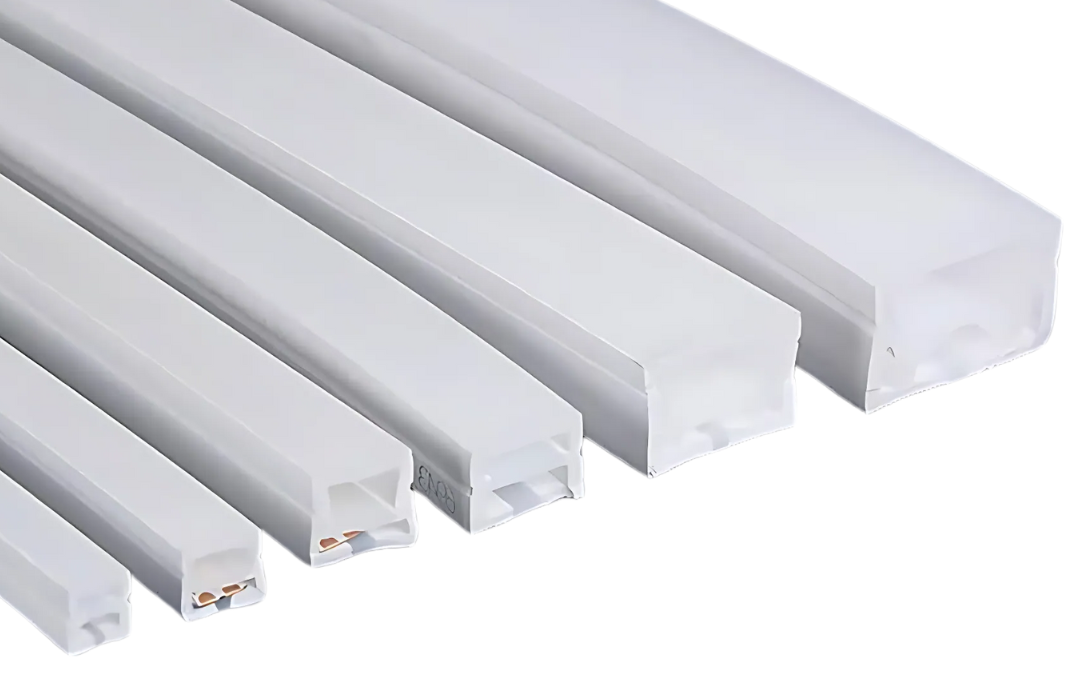
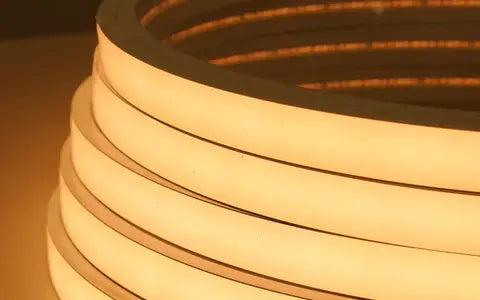
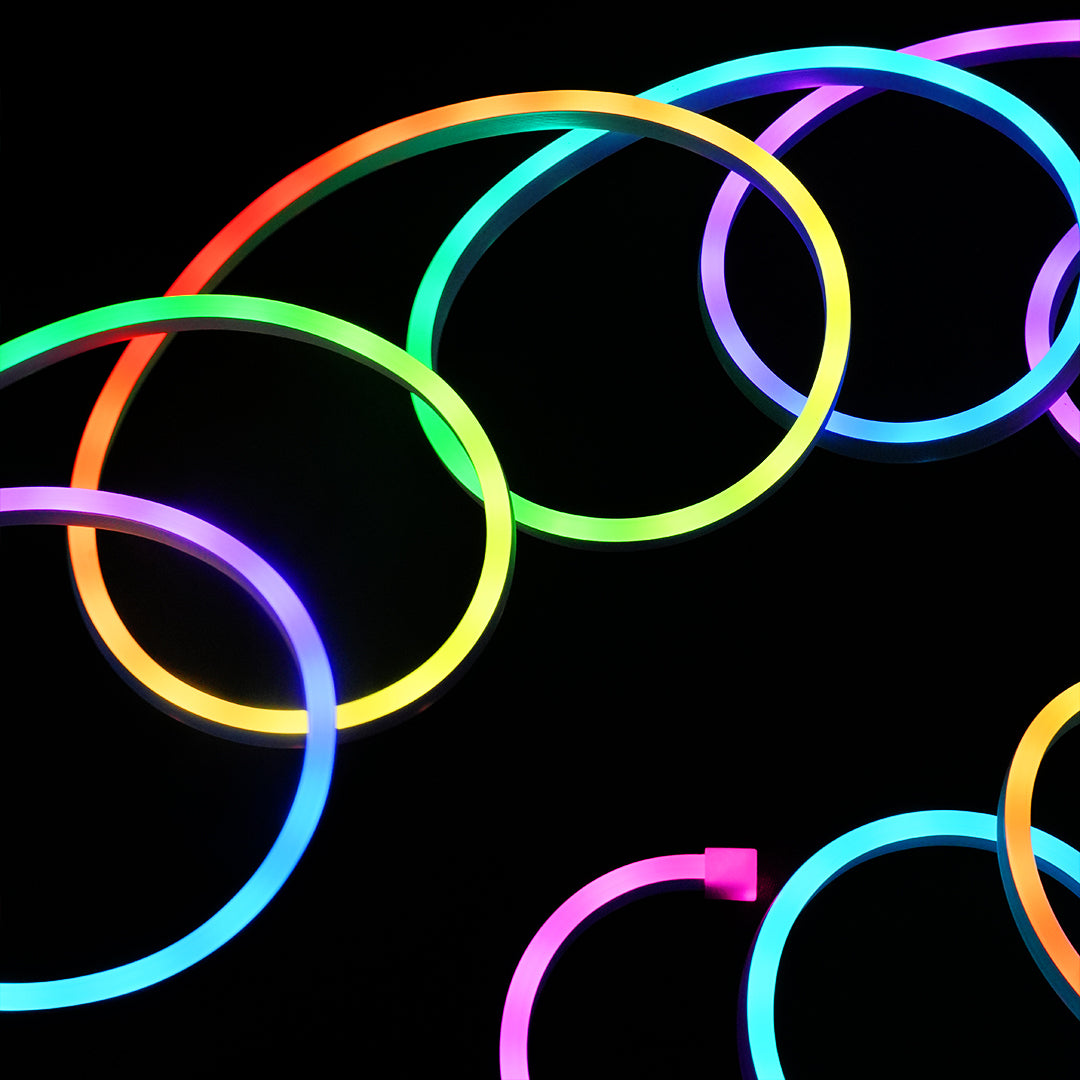
Flexible Silicone LED Profiles combine high energy performance, durability, and eco-friendly materials to deliver a lighting solution that meets modern environmental standards without compromising design aesthetics.
Whether you’re an architect, interior designer, or lighting consultant, understanding how silicone LED profiles contribute to energy efficiency can help you make better, greener choices.
1. How Silicone LED Profiles Promote Energy Efficiency
|
Feature |
Description |
Benefit |
|
Optimized Heat Dissipation |
Silicone allows LEDs to operate at optimal temperatures |
Extends LED lifespan and reduces power waste |
|
Superior Light Diffusion |
Even light output without needing high brightness |
Saves energy by improving light utilization |
|
Low Power Consumption |
Works seamlessly with low-voltage (12V/24V) LED strips |
Reduces electricity usage by up to 60% |
|
Long Operational Life |
Up to 50,000 hours of continuous illumination |
Minimizes replacement waste and costs |
|
Smart Compatibility |
Works with dimmers and smart sensors |
Enables adaptive, on-demand lighting control |
2. Sustainability by Design
Silicone LED profiles are crafted from eco-friendly, recyclable silicone materials that are free from toxic chemicals like mercury, lead, and UV-emitting substances.
Unlike rigid aluminum or PVC channels, these profiles don’t corrode or yellow, which significantly extends their usable life and reduces material waste.
Key Eco-Advantages:
-
🌿 Non-toxic, lead-free, and mercury-free
-
🔁 Recyclable silicone material
-
💧 Waterproof (IP67) and low maintenance
-
☀️ UV-resistant and weatherproof for long-term use
-
♻️ Reduced carbon footprint due to “Made in India” manufacturing
3. Comparing Silicone LED Profiles vs. Traditional Lighting
|
Parameter |
Silicone LED Profiles |
Aluminum Profiles |
Neon / Fluorescent Lights |
|
Energy Efficiency |
80–90% |
60–70% |
40–50% |
|
Heat Management |
Excellent |
Good |
Poor |
|
Environmental Impact |
Recyclable, mercury-free |
Moderate |
Contains toxic materials |
|
Installation |
Easy and flexible |
Rigid and complex |
Requires heavy fixtures |
|
Design Flexibility |
High (bendable, custom shapes) |
Limited |
Very limited |
|
Operational Life |
50,000+ hours |
30,000–40,000 hours |
10,000–15,000 hours |
4. Energy Savings in Real-World Scenarios
Residential Example:
A home using 10 meters of 12V silicone LED profiles consumes around 72W total.
Compared to traditional neon or halogen fixtures (150–200W), this saves 50–65% energy — reducing electricity bills by thousands annually.
Commercial Example:
A 500 sq. ft. office space lit with silicone LED profiles consumes less than 0.5 kWh/hour, compared to 1.5 kWh/hour using conventional fluorescent tubes — a threefold reduction in energy usage.
Architectural & Outdoor Projects:
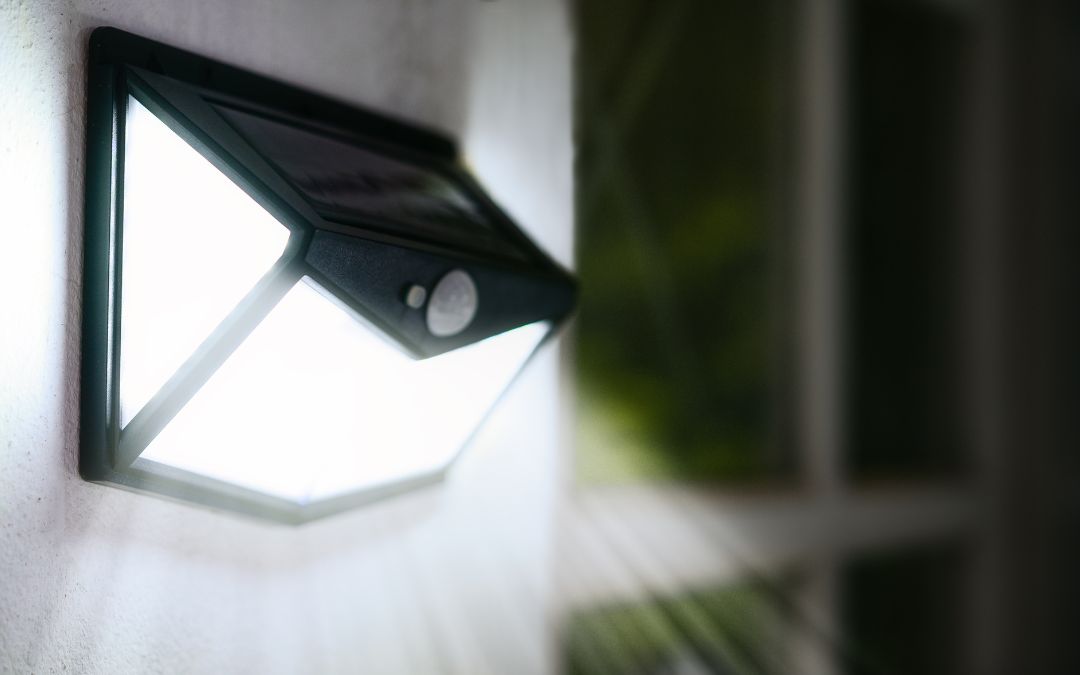
Outdoor silicone profiles with motion sensors automatically dim or shut off when not needed, reducing power waste by up to 40%.
5. Long-Term Environmental Benefits
-
Reduced Maintenance Cycles: Long lifespan lowers replacement frequency, cutting waste.
-
Lower CO₂ Emissions: Energy-efficient LEDs contribute directly to emission reduction.
-
Sustainable Manufacturing: Locally produced silicone profiles minimize transport-related carbon footprints.
-
Safe Disposal: Non-toxic materials ensure safe recycling or disposal without environmental hazards.
6. Designing for Sustainable Spaces
Architects and designers are increasingly using silicone LED profiles in LEED, GRIHA, and IGBC-certified projects, thanks to their efficiency and eco-friendly composition.
Use these profiles in:
-
Energy-efficient commercial offices and retail spaces
-
Residential green homes with smart automation
-
Public infrastructure like airports, hotels, and hospitals promoting sustainability
7. Tips for Maximizing Energy Efficiency
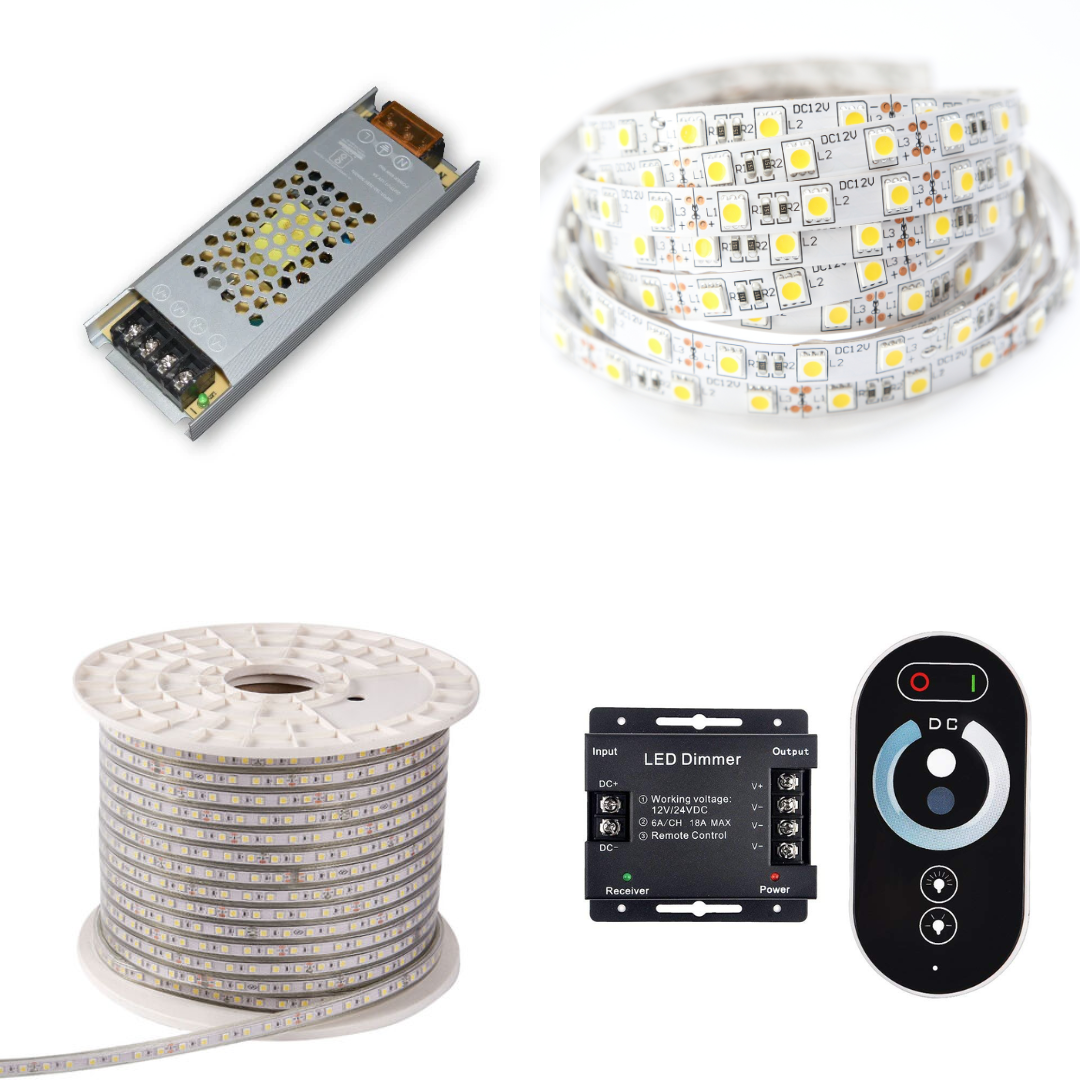
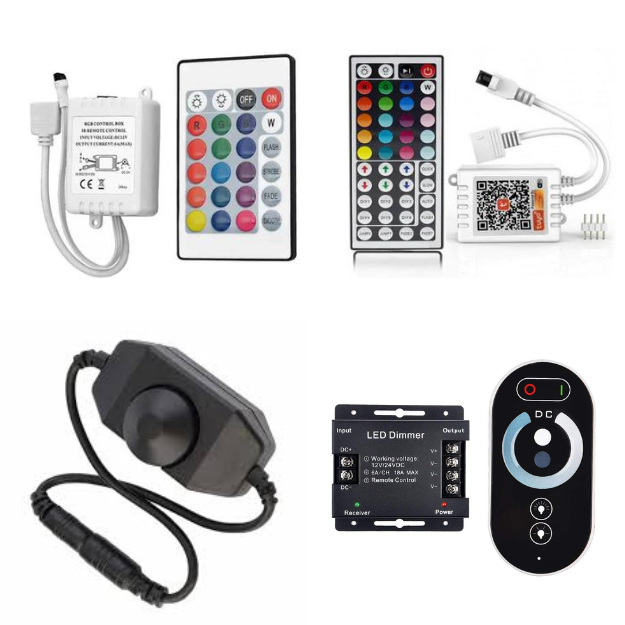
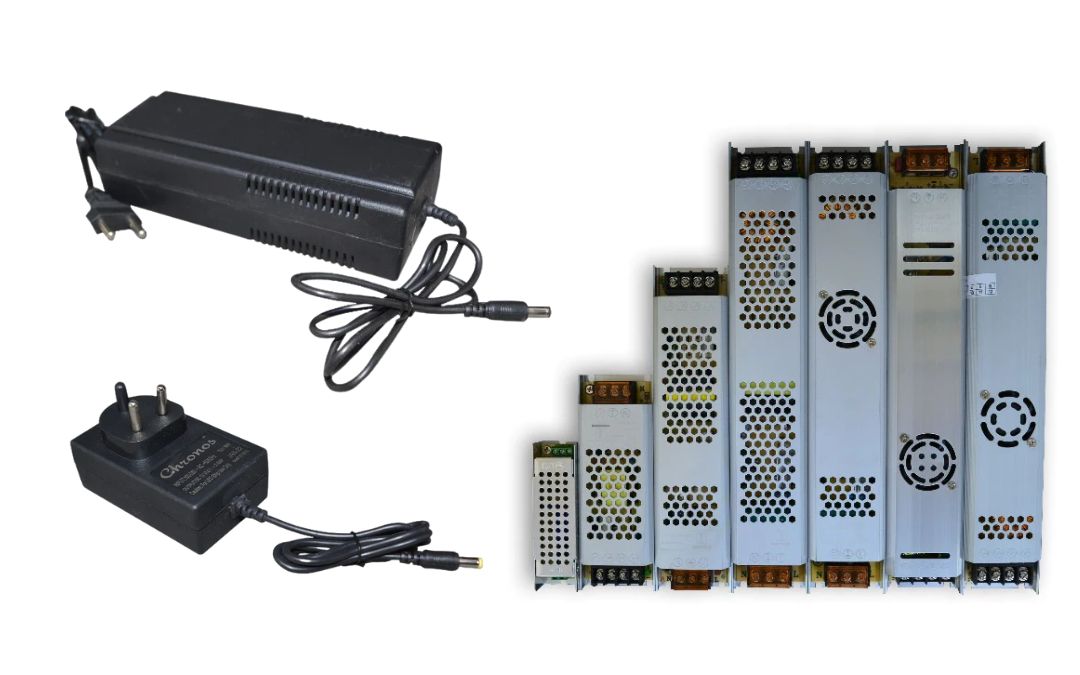
✅ Use dimmable power drivers to adjust brightness based on need
✅ Pair with motion or daylight sensors for smart automation
✅ Select cool white (4000K–5000K) LEDs for maximum lumen output per watt
✅ Regularly clean profiles to maintain light efficiency
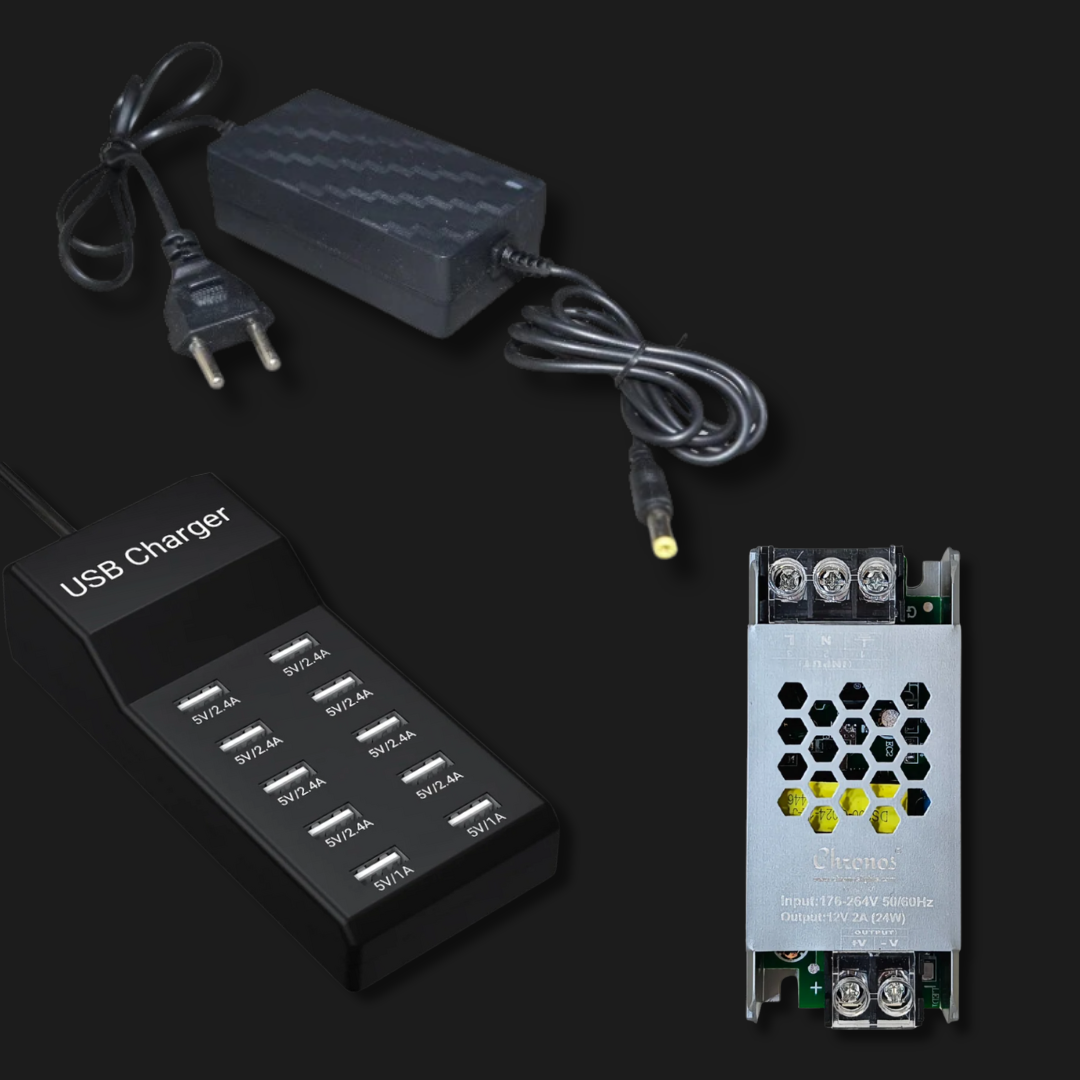
✅ Use proper wattage matching between LED strips and drivers to avoid overloading
8. FAQs
Q1. Are silicone LED profiles recyclable?
Yes, silicone material is recyclable and non-toxic, making it an eco-friendly alternative to PVC or aluminum.
Q2. Do they consume less electricity than traditional lighting?
Absolutely. Silicone LED profiles paired with efficient LED strips can reduce energy consumption by up to 60%.
Q3. What is the average lifespan of a silicone LED profile?
Around 50,000 hours under optimal conditions — roughly 10 years of consistent use.
Q4. Are they compatible with solar lighting systems?
Yes! Their low-voltage operation (12V/24V) makes them ideal for solar-powered setups.
Q5. How do they contribute to green building certification?
By lowering energy usage, eliminating toxic materials, and supporting local manufacturing — all qualifying factors in LEED/IGBC credits.
CTAs
-
🌿 Explore Eco-Friendly Lighting: Shop Sustainable Silicone LED Profiles →
-
⚡ Download Energy Efficiency Guide: Learn how to design sustainable spaces using flexible lighting solutions.
-
📞 Partner With Us: Collaborate on green projects with Made-in-India silicone LED profiles.
SEO Metadata
Title: Energy Efficiency and Sustainability of Silicone LED Profiles
Meta Description: Learn how flexible silicone LED profiles promote energy efficiency, sustainability, and eco-friendly lighting for homes and commercial projects.