




















The Science Behind Light Diffusion in Silicone LED Profiles
Why Flexible Silicone Profiles Deliver Seamless, Glare-Free Illumination
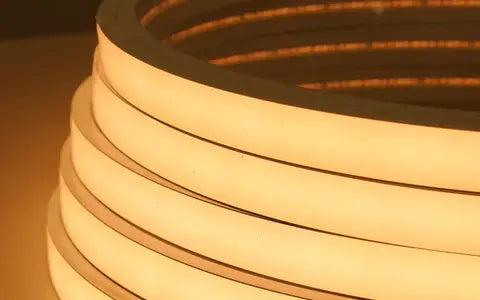
In modern lighting design, the difference between good and great illumination often lies in one key factor — light diffusion. Flexible Silicone LED Profiles are revolutionizing how designers, architects, and installers achieve smooth, continuous lighting without visible hotspots.
But how exactly does this diffusion work? Let’s dive into the science, materials, and optical design principles behind silicone LED profiles and how they outperform traditional housings.
1. What Is Light Diffusion?
Light diffusion refers to how light spreads evenly across a surface.
Instead of harsh, focused beams, diffused light softens and disperses illumination, creating:
-
Smooth visual gradients
-
Reduced glare
-
Consistent brightness
-
Enhanced aesthetic appeal
In LED systems, diffusion is achieved through materials and geometry — the shape of the profile and the optical properties of the silicone.
2. The Role of Silicone in Optical Diffusion
Material Advantage
Silicone is a translucent elastomer with a unique ability to scatter light evenly while maintaining excellent transmission.
|
Property |
Silicone |
Acrylic / Polycarbonate |
|
Light Transmission |
88–92% |
86–90% |
|
Heat Resistance |
Up to 120°C |
85°C |
|
UV Stability |
Excellent |
Moderate |
|
Flexibility |
High |
Low |
|
Diffusion Uniformity |
Superior |
Moderate |
✅ Key Point: Silicone diffuses light through its internal molecular structure, not just surface coating — ensuring a long-lasting, uniform glow.
3. The Science of Light Scattering
Inside silicone LED profiles, microscopic irregularities in the silicone matrix cause light to scatter multiple times before exiting the surface.
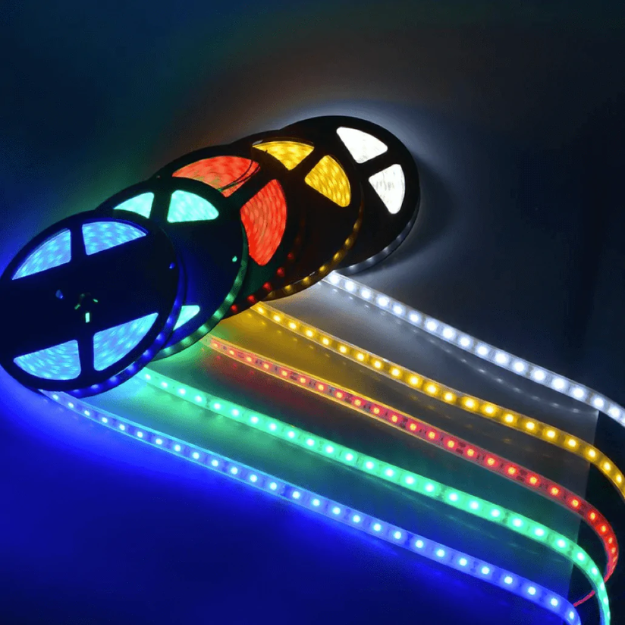
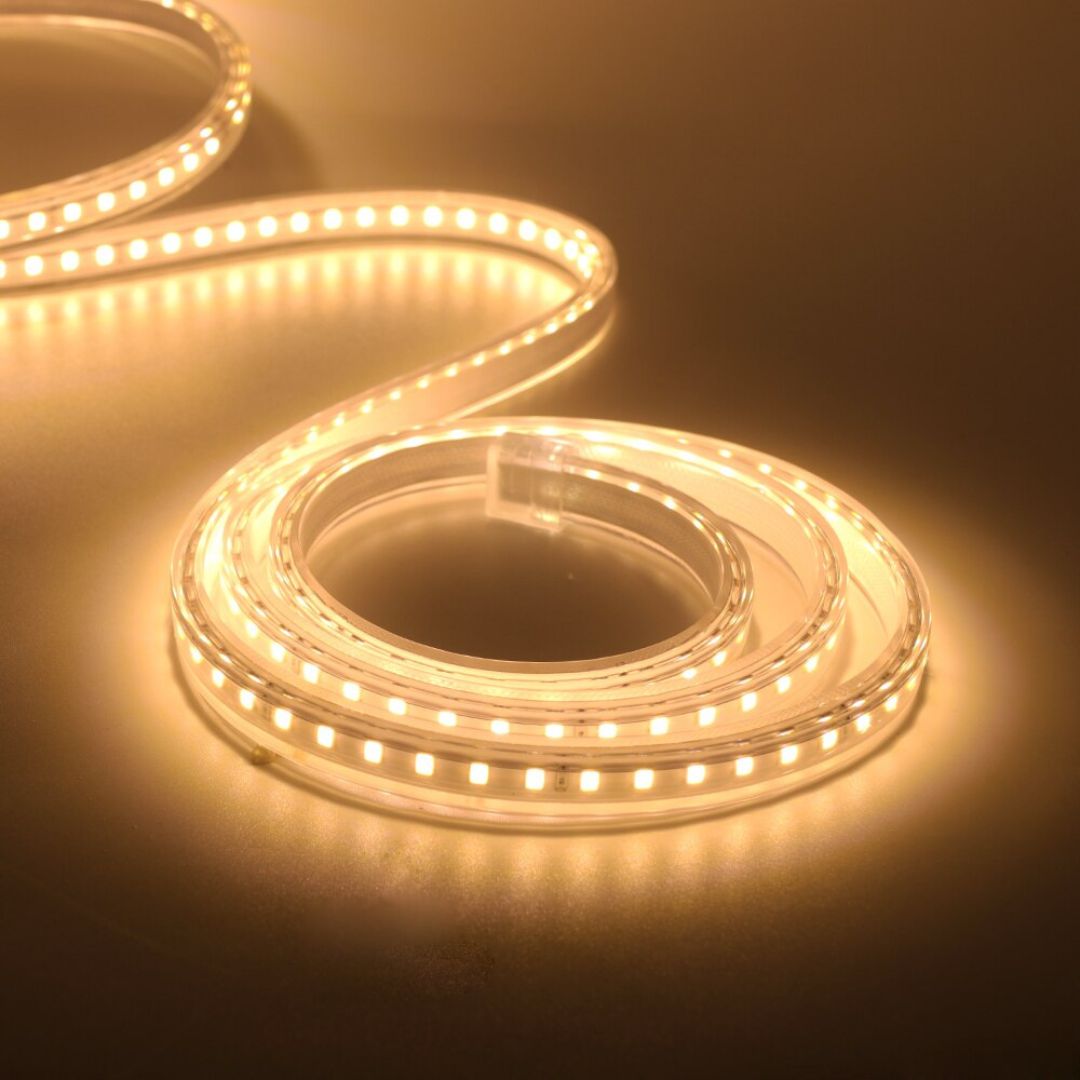
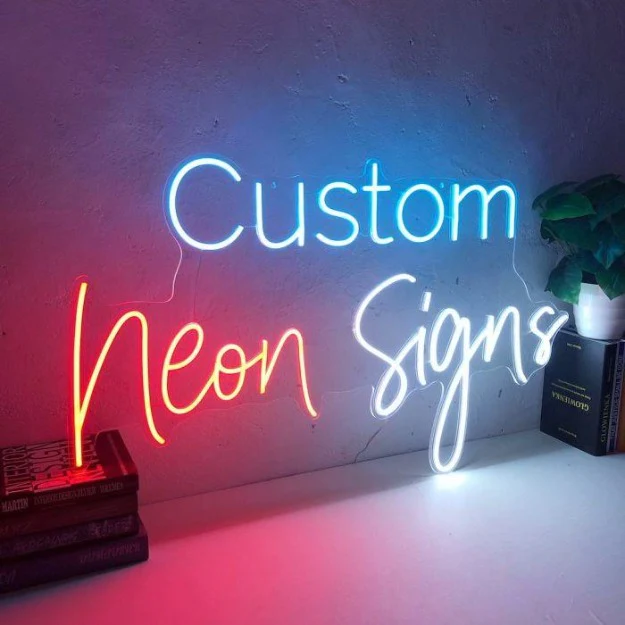
This multiple scattering process eliminates visible LED “dots”, creating a neon-like continuous glow.
How It Works
-
LED emits directional light.
-
Light enters the silicone housing and interacts with internal microstructures.
-
Each interaction scatters photons in multiple directions.
-
The result: soft, diffused, evenly distributed illumination.
💡 This is the same optical principle used in professional diffusers for photography and architectural facades.
4. Geometry and Profile Design Impact Diffusion
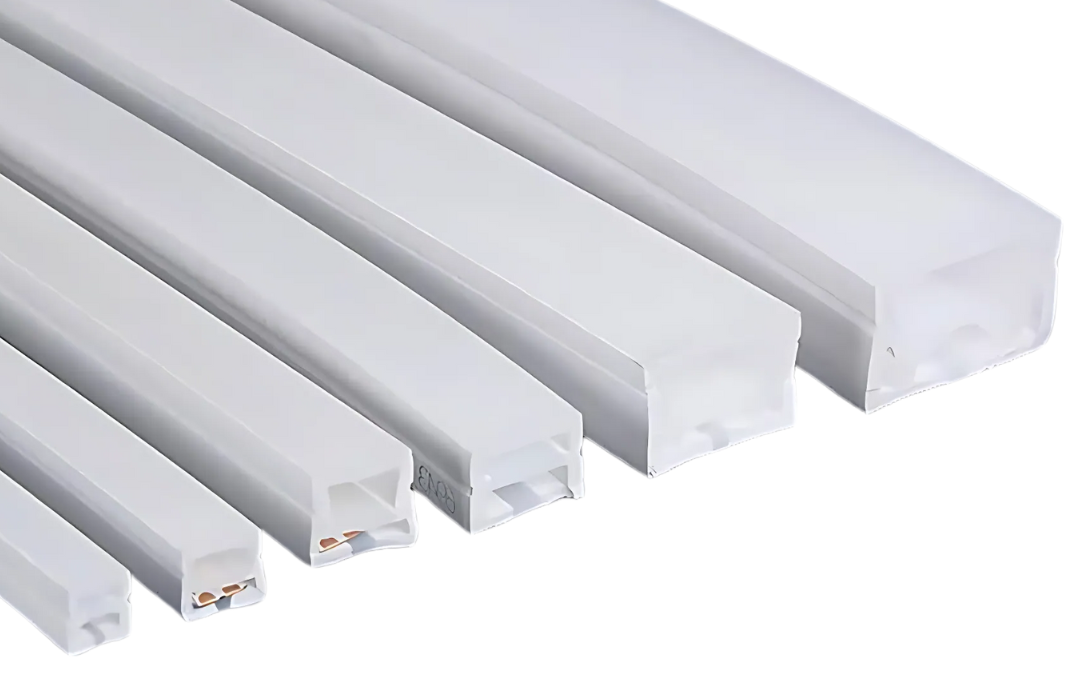
The shape of the silicone profile also influences light distribution.
|
Profile Type |
Diffusion Effect |
Best For |
|
Top View |
Uniform front-facing light |
Ceilings, coves, furniture edges |
|
Side View |
Linear side-glow |
Under cabinets, signage |
|
D-Shape (180° / 270°) |
Semi-round glow |
Architectural accents |
|
360° Round |
Full omnidirectional glow |
Outdoor or pendant lighting |
|
V-Shape / Corner Mount |
Angular, focused illumination |
Wall corners, display edges |
Each profile design optimizes how light exits the silicone — controlling beam angle, diffusion level, and visual intensity.
5. Comparing Diffusion in Silicone vs. Aluminum Profiles
|
Feature |
Silicone Profiles |
Aluminum Profiles |
|
Diffusion Uniformity |
Excellent (no LED dots) |
Moderate (depends on cover) |
|
Flexibility |
High |
None |
|
Hotspot Resistance |
Complete |
Partial |
|
Neon Effect |
Yes |
No |
|
Color Consistency |
Very Stable |
May vary with cover type |
✅ Winner: Silicone LED Profiles
They provide true dotless illumination ideal for premium interior and architectural lighting.
6. Why Designers Prefer Silicone Diffusion
Architects and lighting designers value silicone diffusers for their:
-
Soft ambient light quality
-
360° and curved flexibility
-
No glare or reflection lines
-
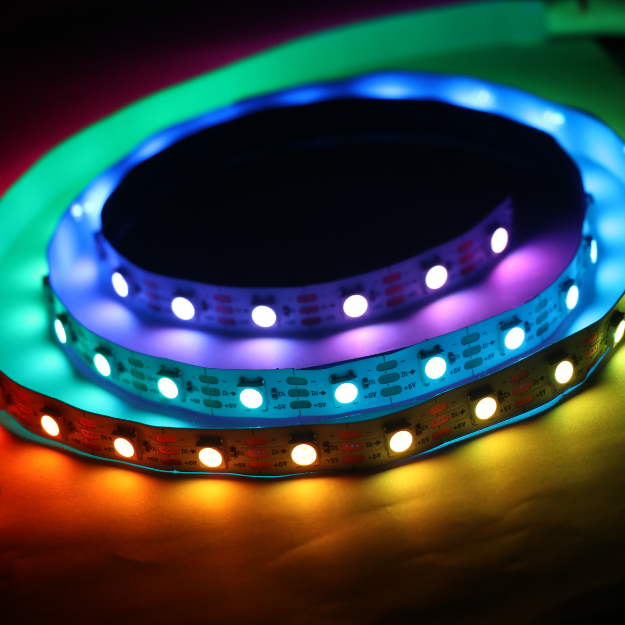
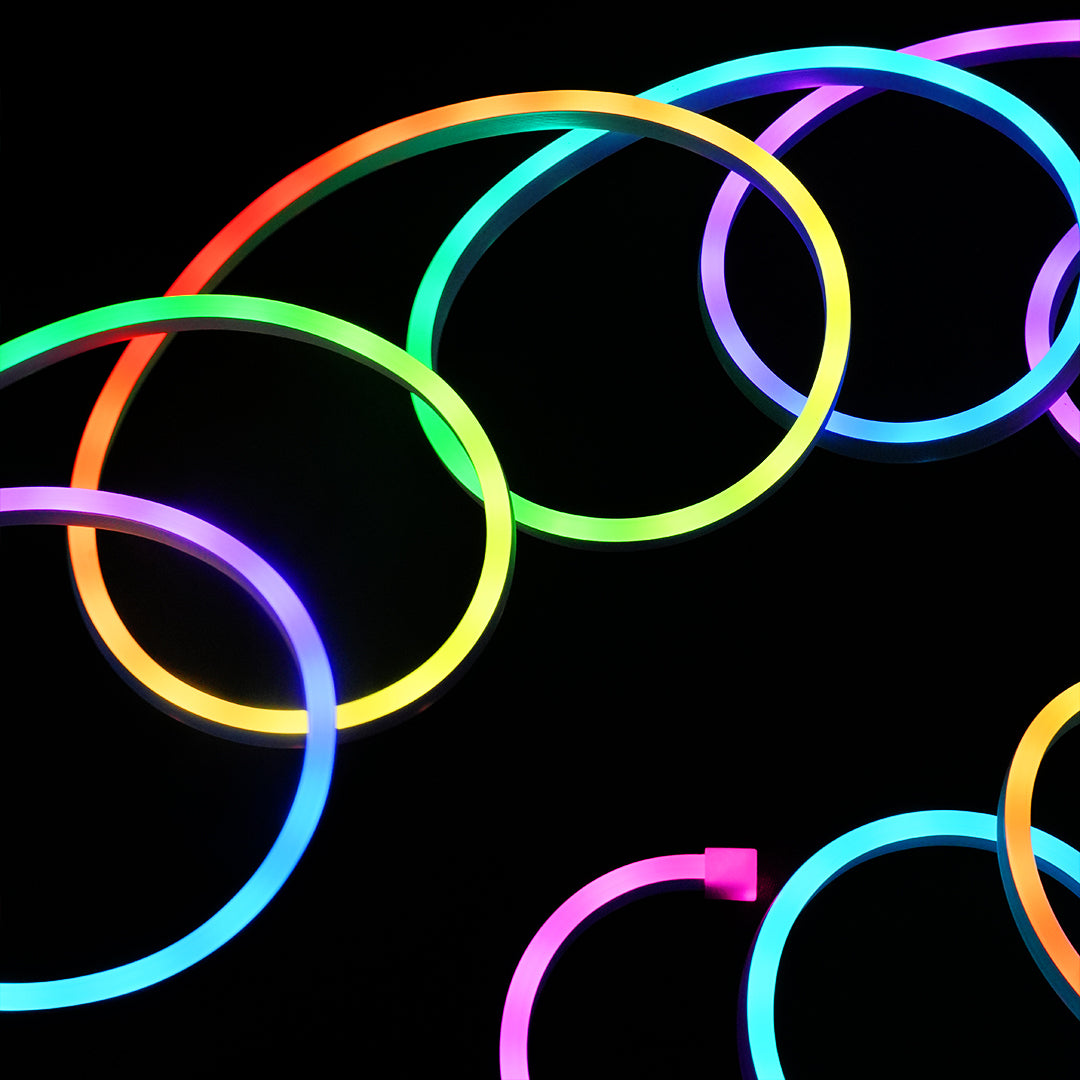
Compatibility with RGB/RGBW LEDs
-
Consistency across long runs
💬 “The difference is visible — silicone profiles mimic neon tubes while consuming 70% less energy.”
7. Real-World Examples
|
Application |
Profile Type |
Effect Achieved |
|
Cove lighting in luxury homes |
16x16 Top View |
Continuous ceiling glow |
|
Signage for retail brands |
8x17 Side View |
Even side illumination |
|
Outdoor façade |
20mm 360° Round |
Neon-style edge lighting |
|
Furniture or modular kitchens |
10x10 Conceal View |
Soft integrated light band |
8. Enhancing Diffusion with Proper LED Strip Selection
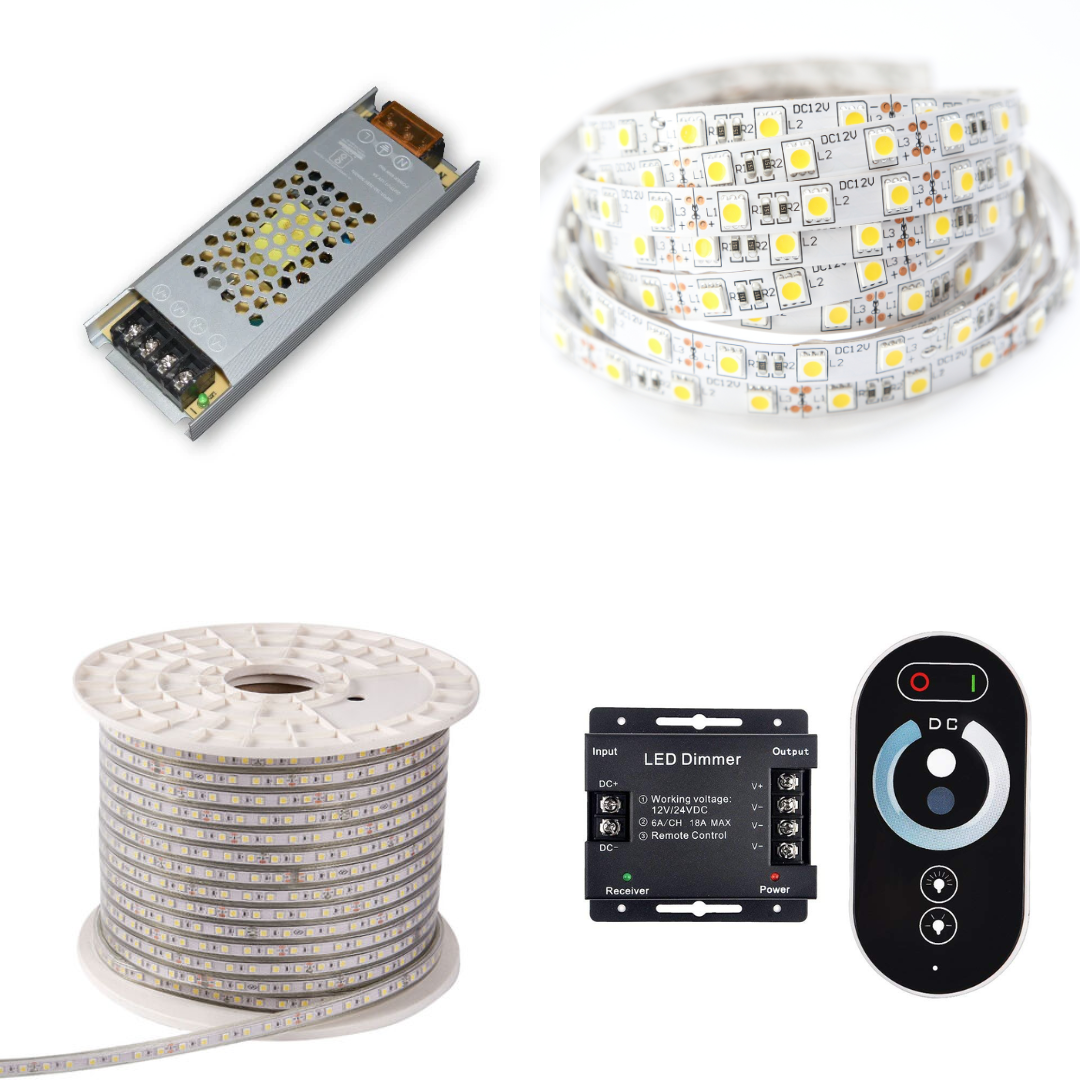
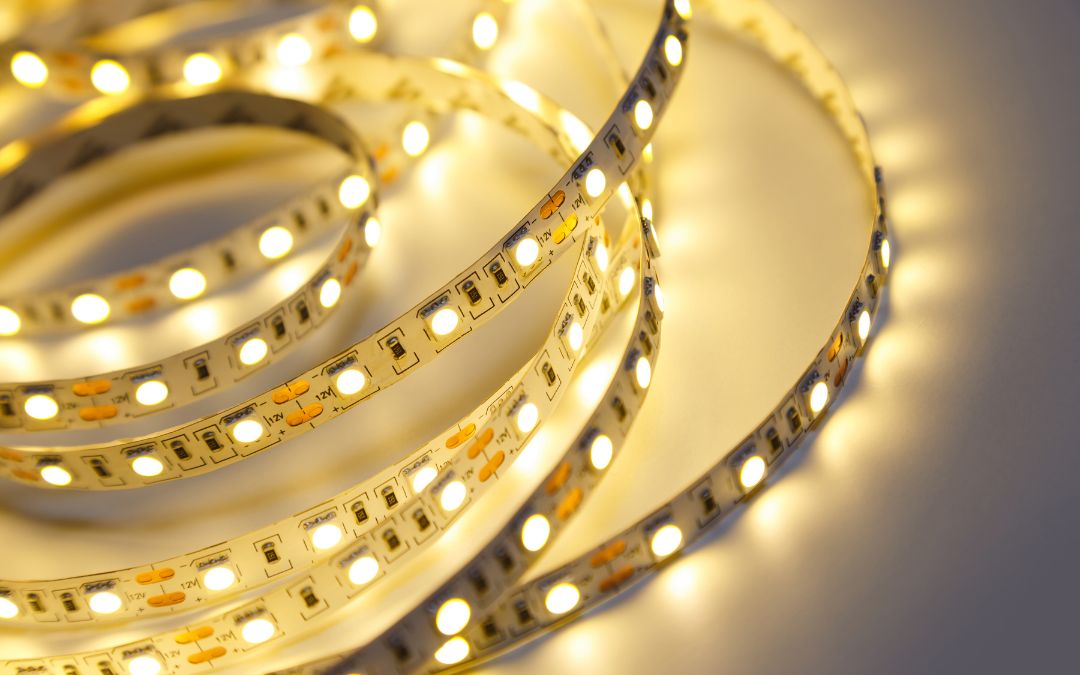
Even the best silicone diffuser performs only as well as the LED strip it houses.
|
LED Strip Spec |
Recommended Range |
|
LED Width |
5mm–15mm (depending on profile) |
|
Density |
120 LEDs/m or higher for dotless glow |
|
Power |
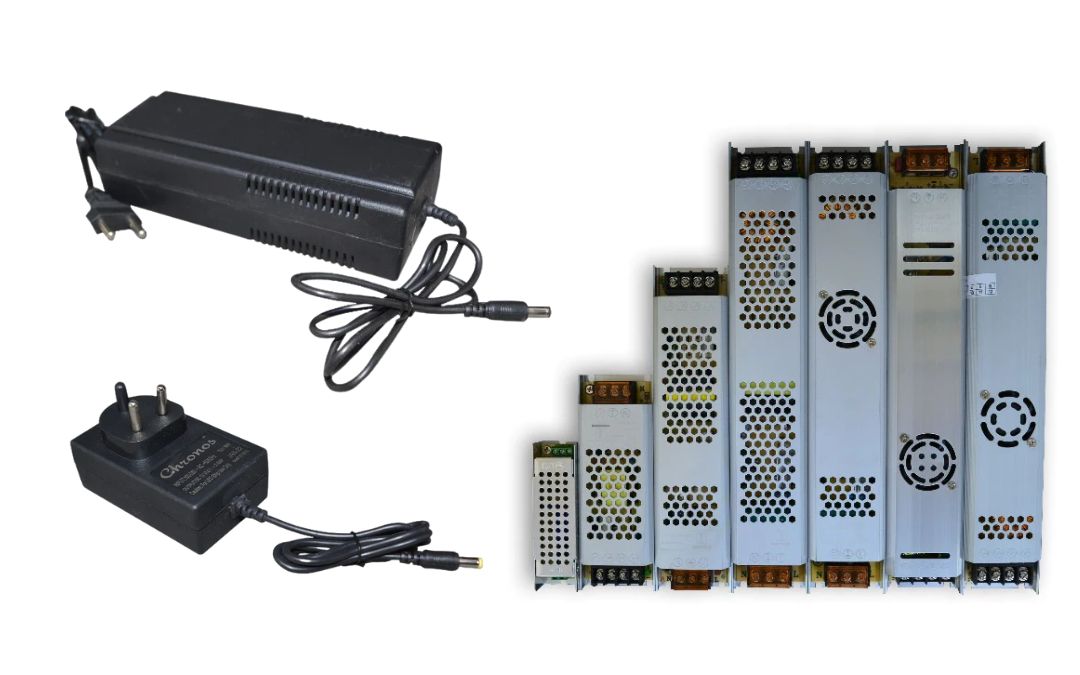
12V/24V constant voltage |
|
Color |
Warm White (2700–3000K) or RGBW |
🔧 Use high-density LED strips for best diffusion performance.
9. Maintenance for Optical Clarity
To preserve optimal diffusion:
-
Clean profiles every 3–6 months with soft cloth and mild detergent.
-
Avoid alcohol or harsh chemicals.
-
Inspect for dust buildup, especially in outdoor environments.
-
Replace discolored profiles to maintain light uniformity.
10. The Future of Silicone Optics
Silicone diffusion technology is rapidly advancing. New generation profiles include:
-
Nano-textured silicone surfaces for improved scattering
-
Dual-layer diffusion for mixed color LEDs (RGBW)
-
Smart silicone that adapts to light temperature and intensity
As lighting design moves toward human-centric and mood-based illumination, silicone optics will play a defining role in shaping how light feels and flows in space.
FAQs
Q1. Why is silicone better for light diffusion than plastic?
Because silicone’s internal microstructure scatters light more effectively, ensuring even brightness.
Q2. Can silicone diffusers handle high temperatures?
Yes — up to 120°C, much higher than standard polycarbonate covers.
Q3. How can I achieve a neon effect with silicone profiles?
Use high-density LED strips (120–180 LEDs/m) inside 16mm or 20mm top-view profiles.
Q4. Will silicone profiles yellow over time?
No, high-quality silicone used in Chronos Lights profiles is UV-resistant and non-yellowing.
Q5. Are silicone diffusers suitable for RGB lighting?
Absolutely. Silicone evenly blends RGB colors, producing smooth gradients with no color banding.
CTAs
💡 Explore Diffusion-Optimized Silicone LED Profiles → View Collection
🎨 Compare Light Outputs by Profile Type → [Download Design Guide PDF]
📞 Consult Our Lighting Experts for large-scale or architectural projects.
SEO Metadata
Title: The Science Behind Light Diffusion in Silicone LED Profiles
Meta Description: Discover how silicone LED profiles create seamless, dotless light diffusion. Learn the science, design principles, and optical benefits behind flexible LED lighting.