




















What Is IP Rating in LED Lights — IP20, IP44, IP65 Fully Explained
Quick answer: IP stands for Ingress Protection. The first digit (0–6) rates protection against solid objects and dust. The second digit (0–8) rates protection against water. IP20 = indoor only, no water protection. IP44 = splash-resistant, suitable for bathrooms and covered balconies. IP65 = fully dust-tight, resistant to water jets — suitable for open outdoor use. Use IP20 for cove ceilings, IP44 for bathrooms, IP65 for outdoor and garden installations.
Every LED strip light, downlight, and outdoor fitting has an IP rating printed on the packaging. Most buyers ignore it. The ones who do not ignore it spend less money replacing fittings that failed in the bathroom after six months, or outdoor strips that died in the first monsoon.
IP rating is a two-minute check that determines whether a light will last in the environment you are installing it in. This guide explains exactly what the numbers mean and which rating you need for every common Indian installation scenario.
What does IP rating mean — decoding the two digits
IP stands for Ingress Protection, defined by international standard IEC 60529. Every IP rating is two digits — the first for solid particle protection, the second for liquid protection.
First digit — solid and dust protection (0–6)
| First digit | Protection level | What it means practically |
|---|---|---|
| 0 | None | No protection against solid objects |
| 1 | Objects >50mm | Large body parts (hand) cannot enter |
| 2 | Objects >12.5mm | Fingers cannot enter — IP20 starts here |
| 3 | Objects >2.5mm | Tools and thick wires cannot enter |
| 4 | Objects >1mm | Small wires and most insects cannot enter |
| 5 | Dust protected | Dust cannot enter in quantities that cause harm |
| 6 | Fully dust-tight | Zero dust ingress — sealed completely. IP65, IP67, IP68 all start with 6. |
Second digit — water protection (0–8)
| Second digit | Protection level | What it means practically |
|---|---|---|
| 0 | None | No water protection — IP20, IP30 etc. |
| 1 | Dripping water | Vertical drips only — not useful for most applications |
| 2 | Dripping at 15° | Slight tilt from vertical. Minimal practical use. |
| 3 | Spraying water | Water spray up to 60° from vertical |
| 4 | Splashing water | Water splash from any direction — IP44 starts here |
| 5 | Water jets | Low-pressure water jets from any direction — IP65 |
| 6 | Powerful jets | High-pressure water jets from any direction — IP66 |
| 7 | Temporary immersion | Submerged up to 1m for 30 minutes — IP67 |
| 8 | Continuous immersion | Submerged beyond 1m continuously — IP68 |
The five IP ratings you will encounter in LED lighting
IP20 — dry indoor use only
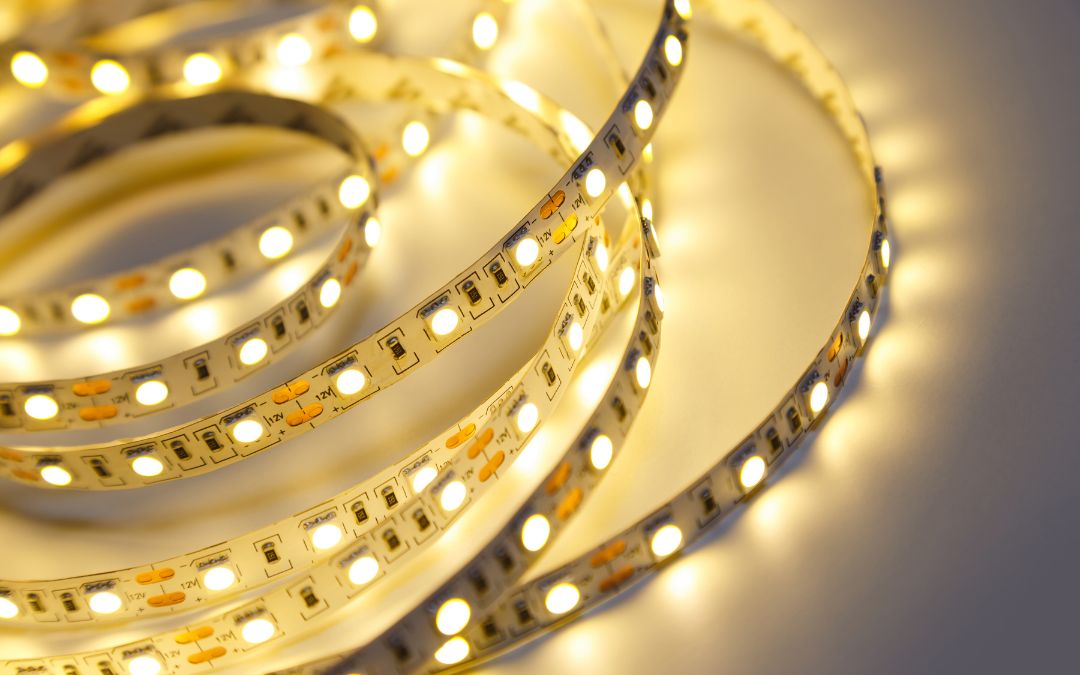
The most common rating for decorative and architectural LED strips. IP20 means: protected against solid objects above 12.5mm (so fingers cannot touch internal components), but no water protection whatsoever.
Use for: cove ceiling lighting, under-cabinet strips in dry areas, wardrobe lighting, shelf lighting, living room and bedroom accent strips, LED strip inside aluminium profiles in false ceilings.
Do not use for: bathrooms, kitchens near sinks, balconies, any outdoor area.
Light quality note: IP20 strips have the best light quality — the bare LED chip is unobstructed. Premium high-CRI and high-density strips are predominantly IP20. Use IP20 wherever possible for best optical performance.
IP44 — splash-resistant for bathrooms and covered outdoor
IP44 means protected against solid objects above 1mm and against water splash from any direction. This is the minimum for any area where water contact is possible.
Use for: bathroom general lighting (not directly above shower), bathroom mirror strips, kitchen strips near the sink, covered balconies, doorway lighting sheltered from direct rain, laundry rooms.
Do not use for: open outdoor areas directly exposed to rain, above shower heads, poolside.
IP65 — dust-tight and water-jet resistant
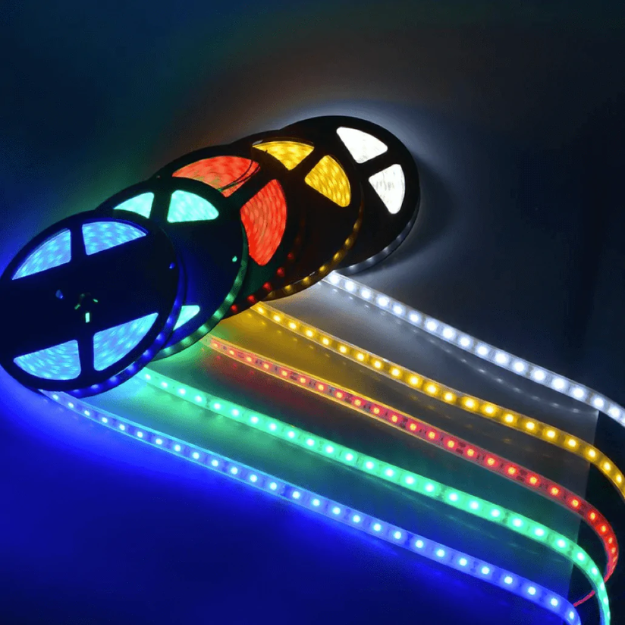
IP65 is fully dust-tight and protected against low-pressure water jets from any direction. This is the standard "outdoor" rating for LED lighting in India.
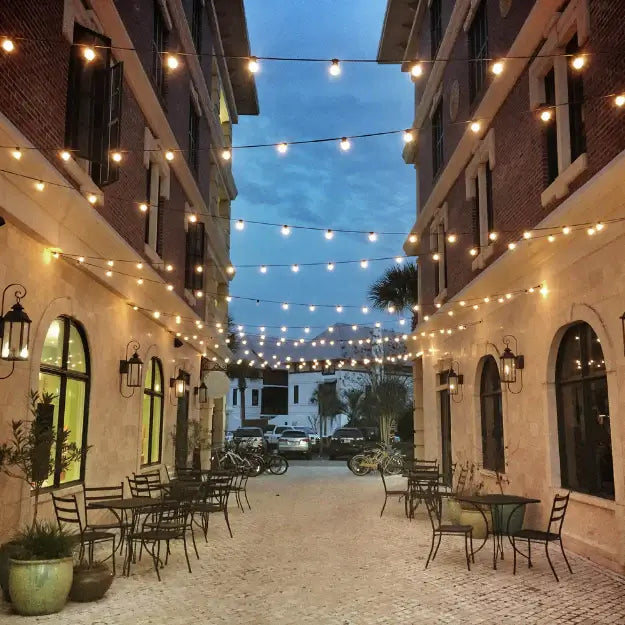
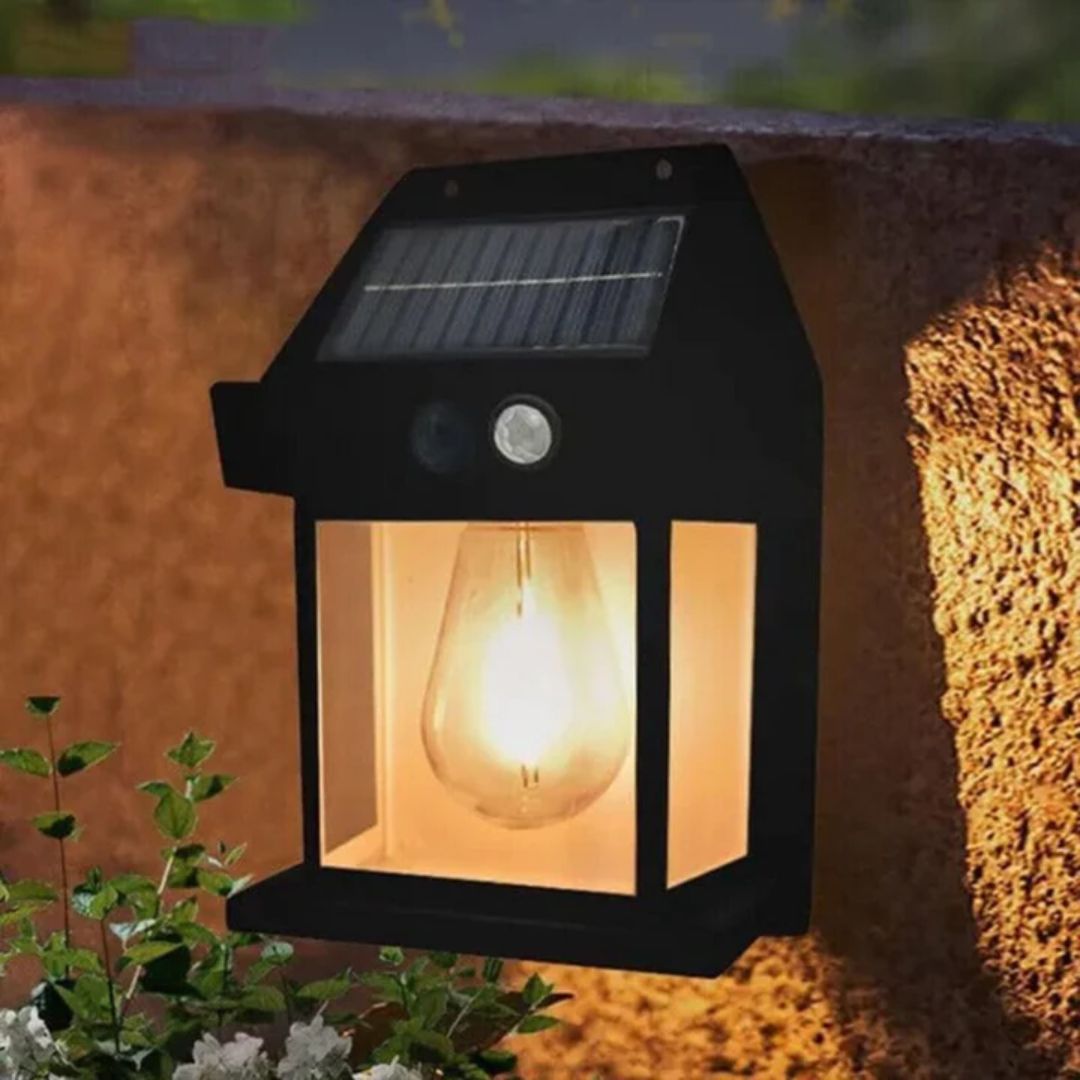
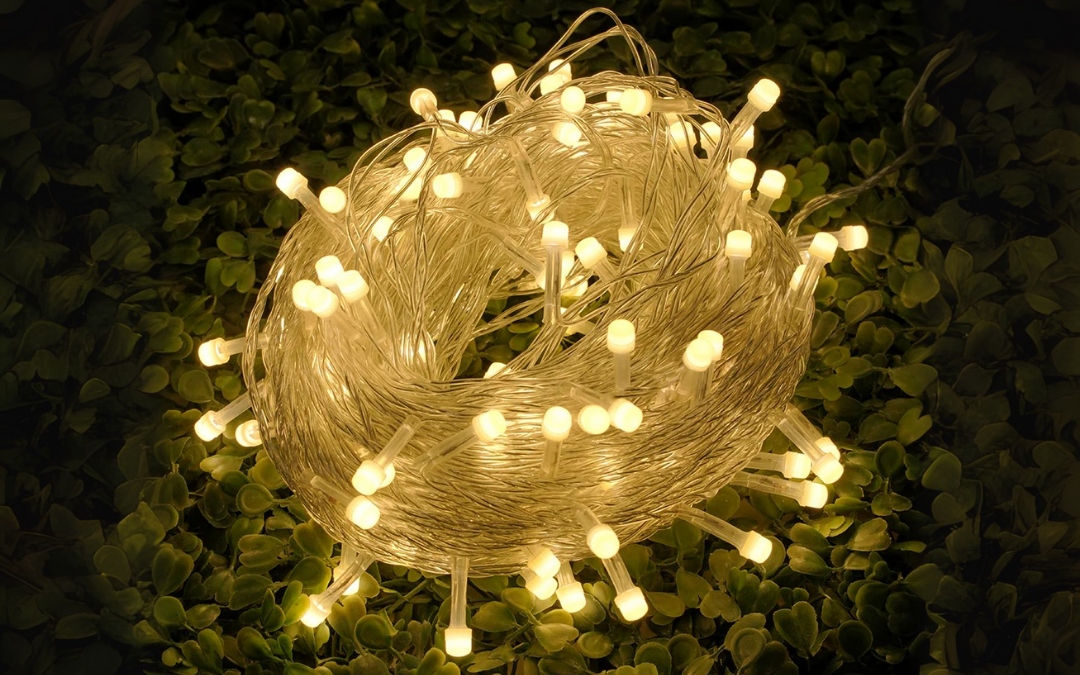
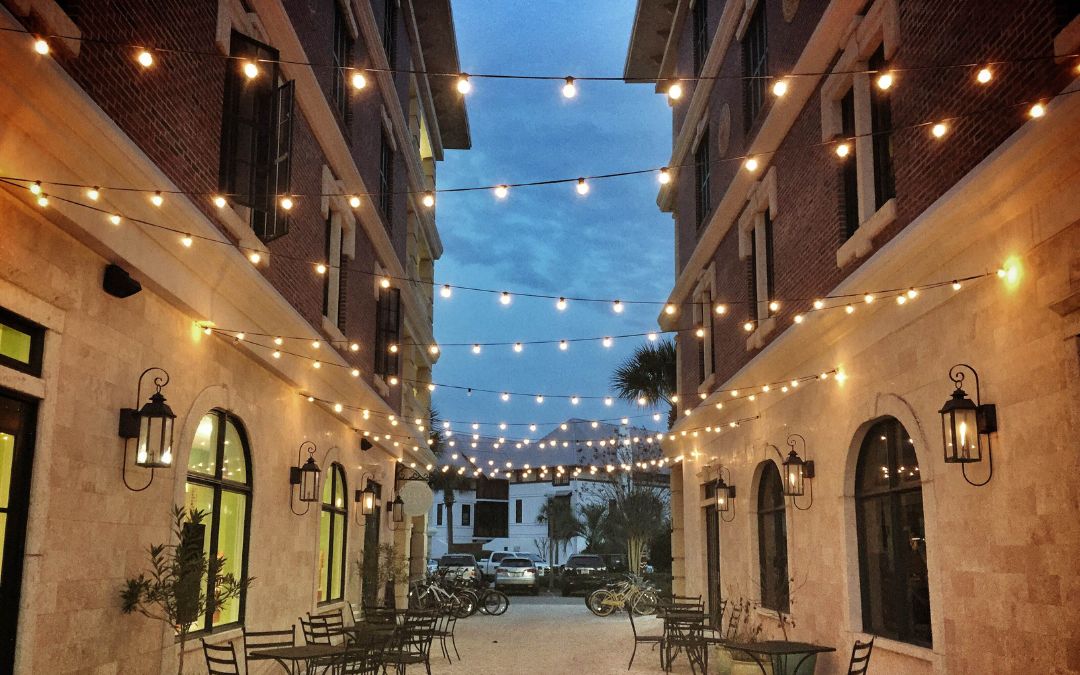
Use for: open balconies, garden path lighting, building façade lighting, outdoor string lights directly exposed to monsoon, Diwali outdoor decoration lights left outside.
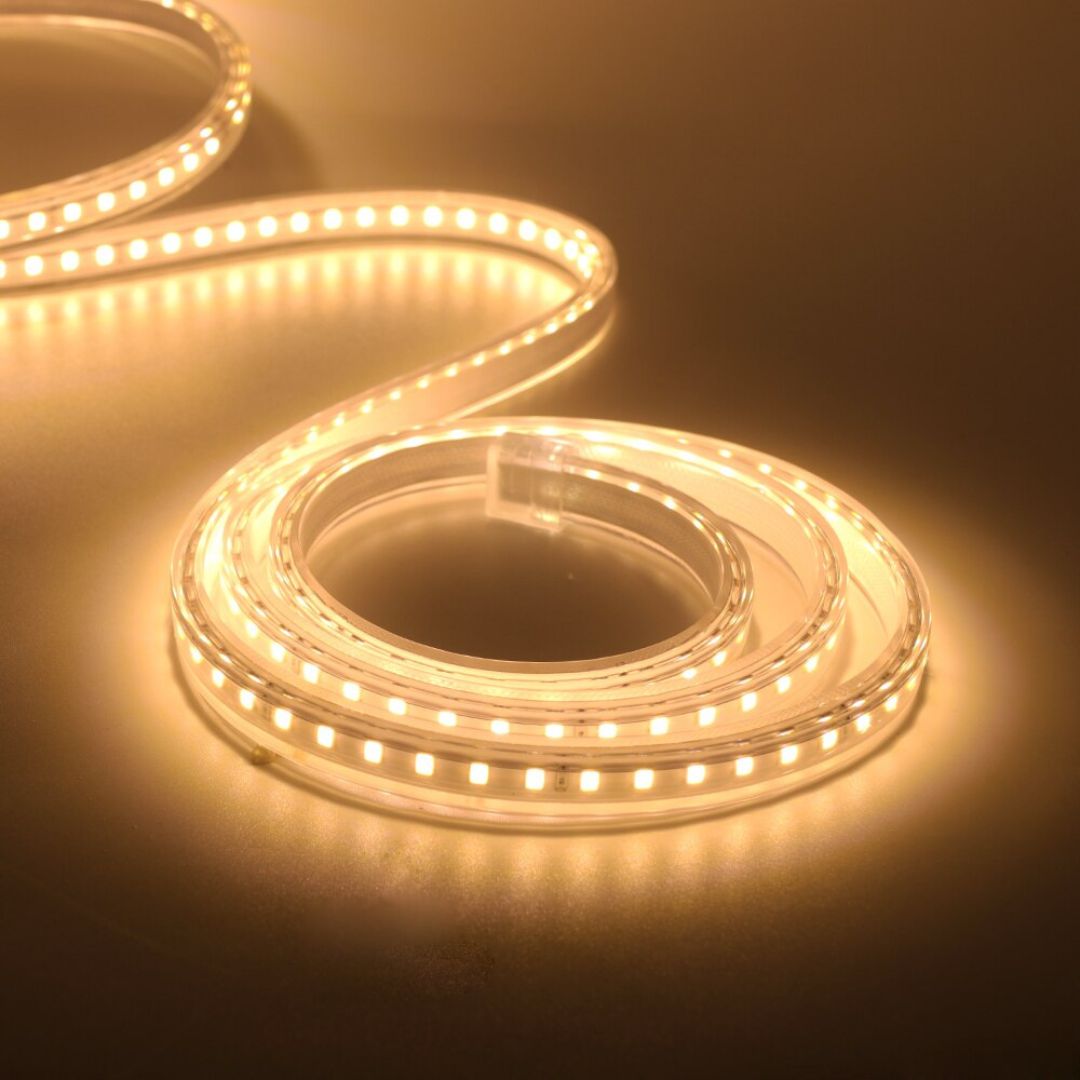
Light quality note: IP65 strips have a silicone coating over the LEDs that slightly reduces light output and colour rendering compared to the same strip at IP20. Use IP65 only where moisture protection is genuinely needed — not as a default upgrade.
IP67 — temporary submersion
IP67 means fully dust-tight and able to withstand submersion up to 1 metre for 30 minutes. For most Indian applications, IP65 is sufficient — IP67 is needed for areas where standing water is possible.
Use for: poolside lighting, outdoor lighting in low-lying areas prone to flooding, water feature surrounds, garden lighting in areas that collect water.
IP68 — continuous submersion
IP68 is the highest water protection rating — designed for continuous submersion beyond 1 metre. Used for underwater pool lighting, submerged fountain lighting, and permanent underwater installations.
Use for: underwater pool lights, submerged fountain and water feature lighting only.
Room-by-room IP rating guide for Indian homes
| Location | Minimum IP rating | Recommended | Notes |
|---|---|---|---|
| Living room cove ceiling | IP20 | IP20 | Fully dry indoor. IP20 gives best light quality. |
| Bedroom cove ceiling | IP20 | IP20 | Dry indoor. IP20 always. |
| Kitchen under-cabinet (away from sink) | IP20 | IP20–IP44 | Dry area only. Use IP44 if near cooking steam. |
| Kitchen under-cabinet (near sink or hob) | IP44 | IP44 | Splash risk from sink and cooking steam. |
| Bathroom general lighting | IP44 | IP44 | Moisture-laden air. IP44 minimum throughout. |
| Bathroom above shower / bath | IP65 | IP65–IP67 | Direct water spray zone. IP65 minimum. |
| Wardrobe interior | IP20 | IP20 | Dry enclosed space. IP20 is correct. |
| Covered balcony (Mumbai, Goa, coastal) | IP44 | IP65 | High humidity and wind-driven rain warrants IP65 in coastal areas. |
| Covered balcony (inland cities, Delhi, Pune) | IP44 | IP44 | Lower humidity. IP44 sufficient for covered balconies. |
| Open balcony directly exposed to rain | IP65 | IP65 | Monsoon rain direct exposure. IP65 required. |
| Garden / outdoor path | IP65 | IP65 | Full outdoor exposure. IP65 minimum. |
| Poolside (not submerged) | IP65 | IP67 | Splash and high humidity. IP67 for safety margin. |
| Submerged (pool lights, fountains) | IP68 | IP68 | Continuous submersion. IP68 required. |
IP rating and LED light quality — the trade-off
This is the most underexplained aspect of IP ratings in Indian lighting guides. Higher IP rating does not mean better light — in fact, it often means slightly lower light quality.
The coatings and sealing that achieve IP65+ ratings cover the LED chip surface with silicone, epoxy, or a sleeve. This material:
- Slightly reduces light output (lumens) — typically 5–10% less than an equivalent uncoated strip
- Can slightly reduce colour rendering (CRI) — the coating absorbs some spectral output
- Changes the appearance of the strip — coated strips look different from uncoated and may not fit as cleanly in aluminium profiles
For cove lighting and any architectural application where light quality is the priority — use IP20 and protect the installation from moisture through design (recessed position, profile housing) rather than coating. Use IP65 only where the environment genuinely requires it.
The most common IP rating mistake we see in Indian installations: specifying IP65 strips for a living room cove ceiling "just to be safe." IP65 is for outdoor use. In a dry indoor cove ceiling, the silicone coating on an IP65 strip reduces your CRI and lumen output for no benefit — there is no moisture in that environment to protect against. Buy the IP20 strip, get better light quality, and spend the budget difference on a higher LED density or CRI. Save IP65 for the balcony and garden where it is genuinely needed.
Frequently asked questions
What does IP rating mean in LED lights?
IP stands for Ingress Protection — a two-digit code classifying how well a product is sealed against solid particles and liquids. First digit (0–6): dust/solid protection. Second digit (0–8): water protection. IP20 = indoor only, no water protection. IP44 = splash-resistant. IP65 = fully dust-tight, water-jet resistant. The higher each digit, the greater the protection in that dimension.
What is the difference between IP20 and IP65?
IP20 offers basic protection against solid objects above 12.5mm but zero water protection — indoor dry use only. IP65 is fully dust-tight and protected against water jets from any direction — suitable for open outdoor installations and wet areas. For cove ceilings and dry indoor use, IP20 gives better light quality. For outdoor gardens, balconies, and bathrooms near showers, IP65 is required.
Can I use IP20 LED strips in a bathroom?
No. IP20 has zero water protection and will fail in bathroom conditions — humidity alone will eventually cause failure, let alone direct splash. Use IP44 minimum for bathroom ceiling lighting and mirror strips. Use IP65 for areas within 60cm of a shower head or directly above a bath.
What IP rating for balcony lighting in India?
IP44 for covered balconies protected from direct rain. IP65 for open balconies exposed to monsoon rain and for coastal cities where wind-driven rain and high humidity can penetrate covered balconies. When in doubt between IP44 and IP65 for an outdoor application in India, choose IP65 — the cost difference is small and the monsoon margin is worth it.
Does higher IP rating mean better quality LED?
No — higher IP rating does not mean better light quality. IP65 strips have a silicone coating over the LEDs that slightly reduces both lumen output and CRI compared to the same strip at IP20. Always use IP20 for dry indoor applications where light quality matters. Use higher IP ratings only where moisture protection is genuinely required by the environment.
What IP rating is waterproof?
IP65 is water-resistant (not waterproof — it handles jets but not submersion). IP67 handles temporary submersion up to 1m for 30 minutes. IP68 handles continuous submersion — the only truly waterproof rating. In Indian markets, IP65 is often marketed as "waterproof" but the correct term is water-resistant. For actual underwater applications (pool lights, fountains), use IP68.
What does IPX4 or IP6X mean?
When one digit is replaced by X, that dimension has not been rated or tested. IPX4 means tested and rated for water splash (level 4) but no dust rating specified. IP6X means fully dust-tight but no water rating. The rated dimension is still valid and reliable — X simply indicates the other dimension was not tested for that product.
Shop LED lights by IP rating at Chronos Lights
- High CRI 98+ LED Strip — IP20, Warm White, 24V — for cove ceilings — ₹2,999
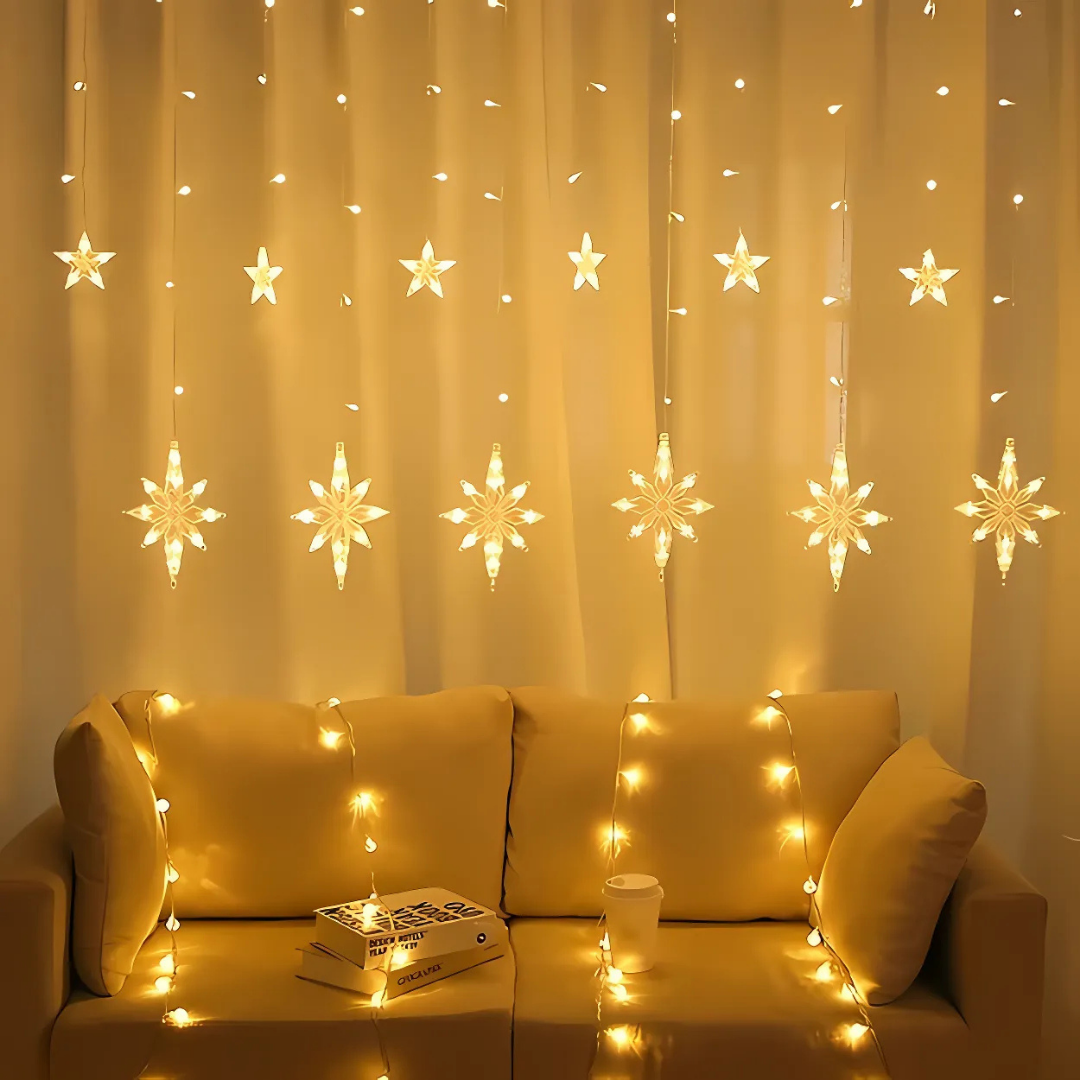
- Curtain lights — IP44 rated for covered outdoor and balcony use
- Browse all LED strip lights — filter by IP rating
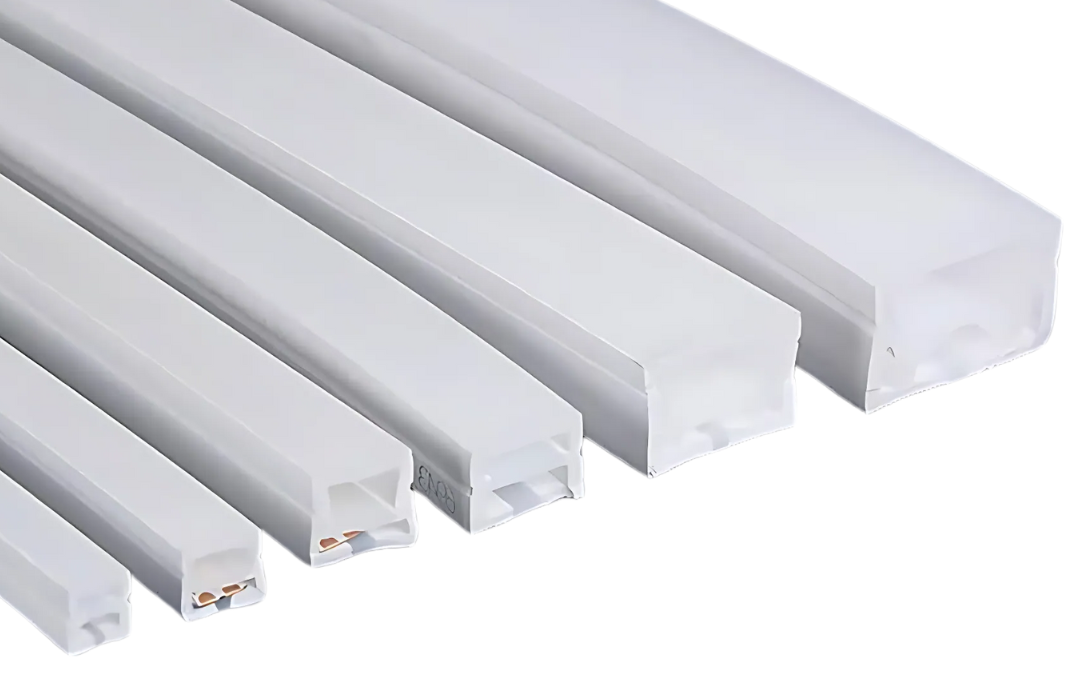
- Silicone profiles — protect IP20 strips in indoor applications
Not sure which IP rating for your project? WhatsApp our technical team with your installation location and we will recommend the correct rating.