
















Cordless Table Lamps for Restaurants and Hotels — Complete Buyer's Guide for India
Quick answer: For Indian restaurants and hotels, choose cordless table lamps with minimum 6-hour battery life at medium brightness, 2700–3000K warm white colour temperature, USB-C charging, and metal body construction for durability. For outdoor terraces, IP44 minimum for covered areas, IP54 for open monsoon exposure. Bulk orders from 20 units with GST invoice available from Chronos Lights. Total installed cost for a 20-table restaurant is typically 40–55% less than wired lamps when electrician and installation costs are included.
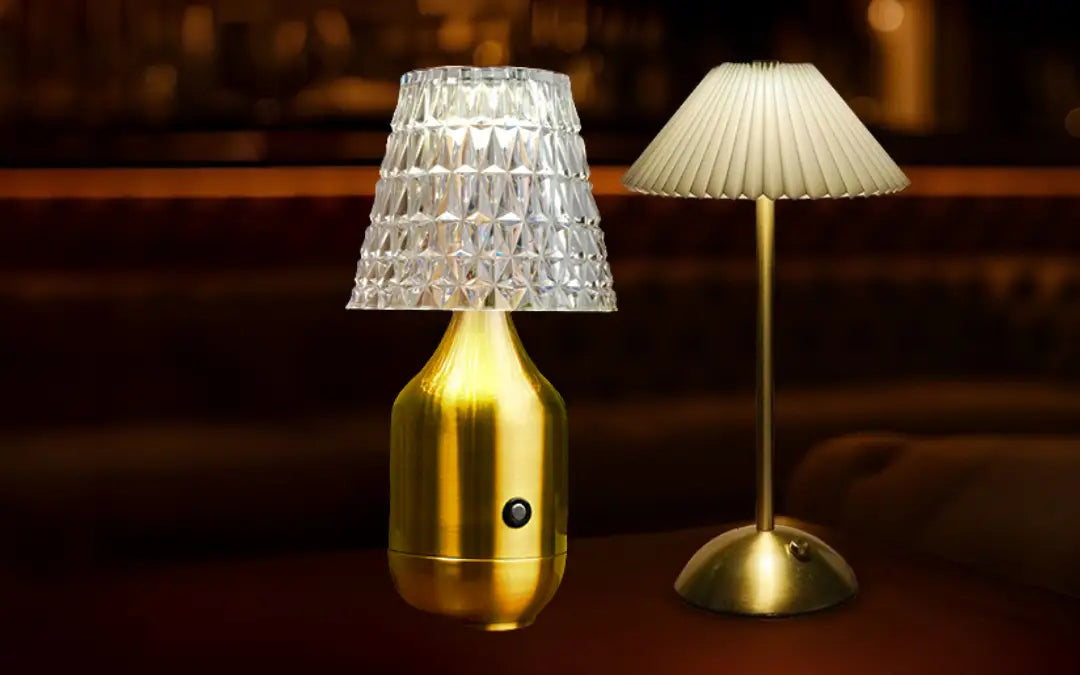
Walk into any well-regarded restaurant or hotel in India today and the table lamps are almost certainly cordless. The cables are gone. The floor outlets are gone. The electrician invoices are gone. In their place: a warm, consistent glow on every table that survives power cuts, moves with the furniture, and requires nothing more than overnight charging to be ready for the next service.
The decision to switch to cordless is straightforward once you understand the full cost picture. The decision of which cordless lamp to buy — the right battery life, body material, charging system, and IP rating for Indian hospitality conditions — requires more careful evaluation. This guide covers every specification that matters for Indian restaurant and hotel buyers.
Why cordless table lamps have become standard in Indian hospitality
The shift to cordless table lighting in Indian hospitality has accelerated for three specific reasons that matter more in India than in most other markets.
Power cut resilience
Indian mains power is unreliable — voltage dips, brief outages, and load shedding affect most cities at some frequency. A restaurant with wired table lamps loses its ambience the moment the power goes out. Cordless lamps on battery continue glowing through any mains interruption. For a venue where atmosphere is a revenue driver, this is a meaningful operational advantage.
Elimination of electrician costs
For a new restaurant or hotel installation, wired table lamps require floor outlets at every table position — expensive, time-consuming, and permanently fixed. Layout changes for private dining, events, or seasonal outdoor seating require electrical work. Cordless lamps require no floor outlets, no conduit, and no electrician. Tables can be repositioned freely.
Terrace and outdoor dining
India's climate enables outdoor dining for much of the year — rooftop restaurants, garden dining, poolside settings, and covered terraces. Running power to every outdoor table position is costly and technically complex. Cordless lamps make outdoor table lighting practical without the infrastructure investment.
Wired vs cordless — total cost for Indian restaurants
Most hospitality managers compare lamp prices. The correct comparison includes all installation costs.
| Cost item | Wired table lamps (20 tables) | Cordless table lamps (20 tables) |
|---|---|---|
| Lamps | ₹16,000 (₹800/lamp avg) | ₹40,000–60,000 (₹2,000–3,000/lamp) |
| Floor outlets and conduit | ₹30,000–50,000 | ₹0 |
| Cable management | ₹8,000–15,000 | ₹0 |
| Electrician installation | ₹15,000–25,000 | ₹0 |
| Multi-port charging station | ₹0 | ₹3,000–5,000 |
| Total installed cost | ₹69,000–1,06,000 | ₹43,000–65,000 |
| Layout flexibility | Fixed — changing layout requires electrician | Full flexibility — tables move freely |
| Power cut behaviour | Lamps go off immediately | Lamps continue on battery |
Wired lamp prices quoted are for basic decorative table lamps. Premium wired fixtures cost significantly more. Electrician rates vary by city — Mumbai and Delhi rates are typically at the higher end of the range.
Specifications to evaluate — what actually matters
1. Battery life — the most important specification
Battery life determines operational viability. A lamp that cannot last a full dinner service requires charging during service — an operational disruption that affects guest experience.
| Service type | Minimum battery life needed | Recommended |
|---|---|---|
| Dinner only (6pm–11pm) | 5 hours | 8 hours |
| Lunch and dinner (12pm–11pm) | 11 hours or lamp rotation | Maintain 20% spare charged lamps for rotation |
| All-day café (8am–10pm) | 14 hours or rotation | Two sets of lamps — one in use, one charging |
| Event and banquet | 6–8 hours per event | 8 hours minimum — events run long |
Important caveat: battery life ratings are quoted at low or medium brightness. High brightness runtime is typically 40–60% of the rated figure. If your venue requires bright lamp output — a well-lit dining room rather than an intimate low-light setting — test runtime at your intended brightness before bulk purchasing.
2. Colour temperature — non-negotiable for dining
2700–3000K warm white is the only appropriate choice for dining table lamps. At this temperature range, food appears warm and natural, skin tones look healthy, and the dining atmosphere feels intimate and relaxed.
Avoid 4000K+ (natural or cool white) for table lamps in dining rooms. At these temperatures, food can look clinical and skin tones appear flat — the opposite of the premium dining atmosphere most hospitality venues are trying to create.
For hotel rooms and suites, lamps with adjustable colour temperature (warm to cool) add versatility — guests can choose their preferred ambience for working or relaxing. For restaurant tables where the operator controls the ambience, a fixed warm white is simpler and more consistent.
3. Body material — durability in commercial use
Restaurant and hotel lamps are handled daily — moved to charging stations, wiped down between sittings, occasionally knocked over. Material durability directly affects total cost of ownership.
| Material | Durability | Weight | Suitable for commercial use? |
|---|---|---|---|
| Metal (aluminium or steel) | Excellent — survives daily handling and occasional drops | Medium | Yes — recommended for restaurant and hotel use |
| Solid brass | Excellent — very durable, premium appearance | Heavy | Yes — best for premium dining and hotel rooms |
| ABS plastic | Moderate — light and affordable but scratches and cracks with daily commercial handling | Light | Acceptable for events and low-frequency use. Not ideal for daily restaurant service. |
| Ceramic or glass | Poor for commercial use — breakage risk is high in service environments | Heavy | Suitable for hotel rooms where handled infrequently. Not for restaurant tables. |
4. Charging method — operational efficiency at scale
For a 20–50 table venue, how lamps charge overnight determines how smoothly the operation runs.
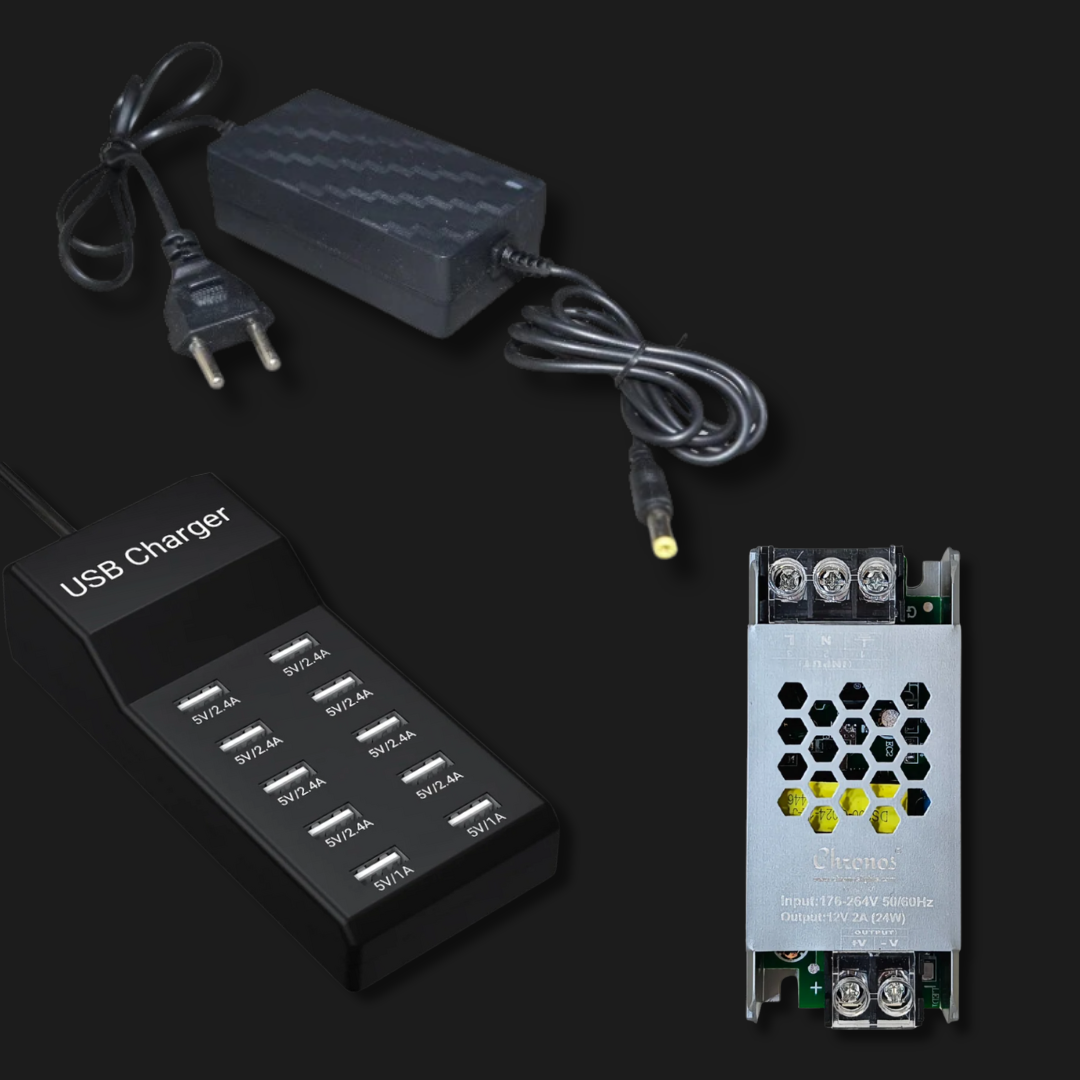
USB-C charging is the most operationally efficient for large fleets. A 10–20 port GaN charging hub handles the full fleet from one power point overnight. Staff place lamps on a charging shelf or rack, connect USB-C cables, and the fleet is ready by the next service. USB-C is now universal — replacement cables are available from any electronics shop in India.
Proprietary charging docks look cleaner but tie you to the manufacturer's dock. If the dock fails or is discontinued, replacing it may be difficult. For large fleets, USB-C universality is a practical advantage.
Wireless charging is convenient for individual home use but less practical for restaurant fleets — wireless pads charge one lamp at a time and are slower than wired USB-C charging for the same battery capacity.
5. IP rating — essential for Indian outdoor conditions
India's monsoon season makes IP rating a critical specification for any lamp used in semi-outdoor or outdoor settings.
| Setting | Minimum IP rating | Notes |
|---|---|---|
| Fully indoor — air-conditioned dining room | IP20 | No moisture risk. Standard indoor rating sufficient. |
| Indoor with occasional spills | IP20–IP44 | Occasional liquid contact. IP44 adds splash resistance. |
| Covered terrace — protected from direct rain | IP44 | Humidity and indirect moisture exposure. IP44 is the minimum. |
| Open terrace — monsoon exposed | IP54+ | Direct rain exposure in monsoon. IP54 minimum. IP65 for heavy rain areas. |
| Poolside or garden | IP65 | Splash from pool, irrigation, and full rain exposure. IP65 required. |
6. Dimmer and control
Touch dimmer on the lamp base is the most practical control for restaurant environments — simple for staff to operate, no remote required, no app pairing. A touch-dimmer lamp can be adjusted by anyone without training.
Remote-controlled lamps allow the manager to set brightness across all tables simultaneously — useful for transitioning from bright lunch service to intimate dinner ambience. The tradeoff is remote management complexity and the risk of remotes being misplaced.
App-controlled lamps offer maximum scene-setting capability but introduce pairing complexity and Wi-Fi dependency. Most Indian restaurant operations are better served by simpler touch-dimmer controls that any staff member can use reliably.
Operational guide — charging and managing a fleet
The charging routine is the only ongoing operational discipline cordless lamps require. Established correctly from day one, it becomes automatic within a week.
Daily routine for a 40-table restaurant
- End of service: all lamps collected from tables by closing staff and placed on the charging station in a back-of-house area. Takes 5–10 minutes.
- Overnight: lamps charge on the multi-port station. A 65W GaN charger handles 10 lamps in 3–4 hours. All 40 lamps are fully charged by morning.
- Before service: charged lamps are distributed to tables 20–30 minutes before opening. Lamps are switched on and brightness set.
- During service: no lamp management required. Lamps run on battery for the full service.
Managing a buffer stock
Order 10–15% more lamps than your table count and keep them charged as a buffer. A 40-table restaurant should have 44–46 lamps — the extras cover breakage, lamps taken for event setups, and the occasional lamp that needs service. Running exactly to table count with no buffer creates stress when a lamp fails mid-service.
Battery maintenance
Lithium batteries perform best when not regularly discharged to zero. Avoid letting lamps run completely flat before charging — charge after each service regardless of remaining battery level. This extends battery lifespan from the standard 500–600 charge cycles to 700+ cycles in typical usage.
The question we get most often from restaurant owners considering the switch to cordless: "What if the battery dies mid-service?" After supplying cordless lamps to dozens of venues across India, we have found this almost never happens when the charging routine is correctly established. The risk is entirely in not charging — not in battery capacity. Set up the charging station, train one staff member to collect and charge lamps at close of service every day, and the operational side runs itself. The venues that struggle are those without a designated charging location — lamps end up left on tables overnight or in pockets. A fixed charging station with labelled positions for each lamp solves this completely.
India-specific considerations
Voltage fluctuation protection
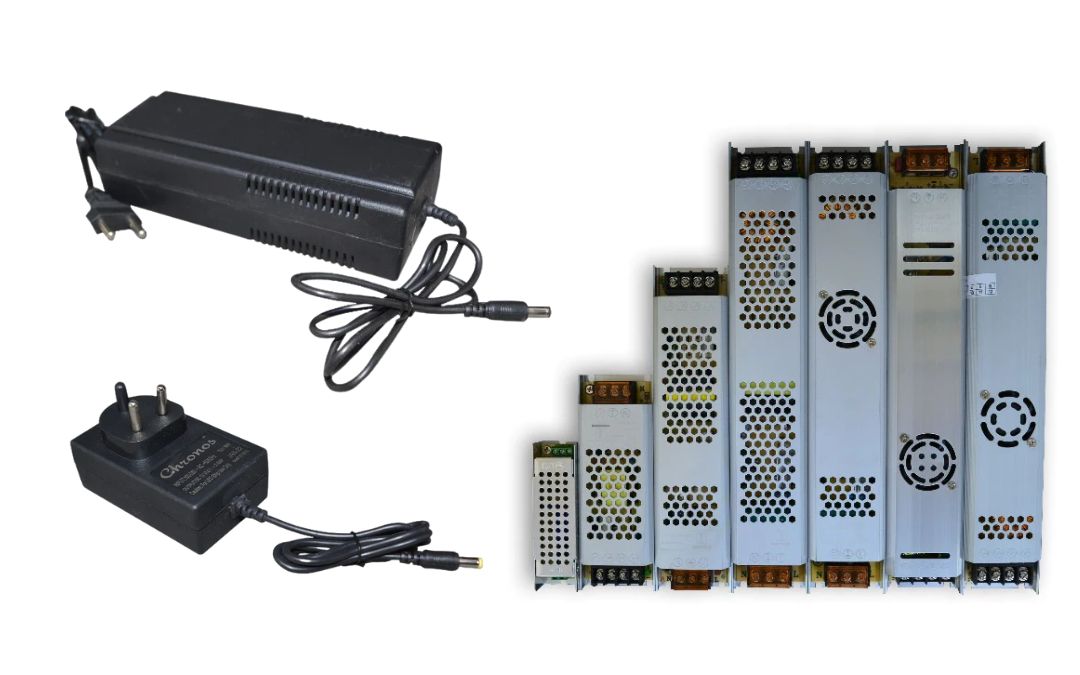
Indian mains power experiences voltage fluctuations more frequently than many markets — typically ranging between 180V and 250V rather than a stable 220V. Cheap cordless lamp chargers without voltage regulation can damage batteries during fluctuation events. Specify or verify that the charging adapter includes over-voltage protection. Most branded chargers rated for Indian use include this — generic unbranded chargers often do not.
Heat and humidity
Lithium batteries degrade faster in high ambient temperatures. In venues without air conditioning — open-air restaurants, non-AC sections — store charging lamps in a cooler back-of-house area if possible rather than charging them in a hot kitchen or outdoor space. Battery lifespan in consistently air-conditioned environments is typically 20–30% longer than in hot, humid settings.
GST and documentation
For restaurant and hotel purchases, GST invoicing is required for input tax credit claims. Ensure your supplier provides a valid GST invoice with GSTIN for all bulk purchases. Chronos Lights provides full GST invoicing on all B2B orders.
Frequently asked questions
How long should a cordless table lamp last on one charge for restaurant use?
Minimum 6 hours on medium brightness for dinner-only service. 8 hours is the comfortable target — it covers a full service with buffer for variations in usage and occasional high-brightness moments. For venues running both lunch and dinner without a recharge break, maintain a rotation of 15–20% spare charged lamps or choose lamps rated at 10+ hours on low brightness.
What colour temperature is best for restaurant table lamps?
2700–3000K warm white, without exception for dining environments. At this range, food looks warm and appetising, skin tones appear healthy, and the space feels intimate. Avoid 4000K+ for dining tables — at those temperatures food looks less appealing and the space feels clinical rather than welcoming.
Are cordless table lamps cost-effective for Indian restaurants?
Yes — significantly when total installed cost is compared. For a 20-table restaurant, wired lamps with floor outlets, cable management, and electrician installation typically cost ₹70,000–1,05,000 total. Cordless lamps for the same 20 tables including a multi-port charging station cost ₹43,000–65,000 — with zero electrician cost and full layout flexibility. The savings are larger for outdoor terrace setups where running wired power to table positions is even more expensive.
Can cordless table lamps be used on outdoor restaurant terraces in India?
Yes, with the correct IP rating. Covered terraces require IP44 minimum. Open terraces directly exposed to monsoon rain require IP54 or higher. Always verify the IP rating of lamps intended for any outdoor or semi-outdoor setting in India — standard indoor IP20 lamps will be damaged by moisture exposure.
How do restaurants charge large numbers of cordless lamps efficiently?
A multi-port USB charging hub (10–20 port, 65W minimum) handles overnight charging for up to 20 lamps from a single power point. Place the charging station in a back-of-house service area. Staff collect all lamps at end of service and place them on the station — fully charged and ready for the next service by morning. For 40+ table venues, use two charging stations or a single larger hub.
What is the MOQ for bulk cordless lamp orders from Chronos Lights?
20 units minimum for B2B pricing. Orders above 50 units qualify for project pricing with GST invoice, pan-India tracked delivery, and dedicated account support. Contact via WhatsApp at +91-72777-98111 with your venue name, table count, and lamp model preference for a quote.
How do cordless lamps handle power cuts in Indian restaurants?
This is one of their most significant advantages for Indian venues. Cordless lamps run on internal batteries and continue glowing through any mains power interruption — voltage dips, load shedding, or full outages. Wired table lamps go dark immediately. For a restaurant where ambience is critical to the guest experience, cordless lamps maintain that ambience through disruptions that wired installations cannot.
Shop cordless table lamps for hospitality at Chronos Lights
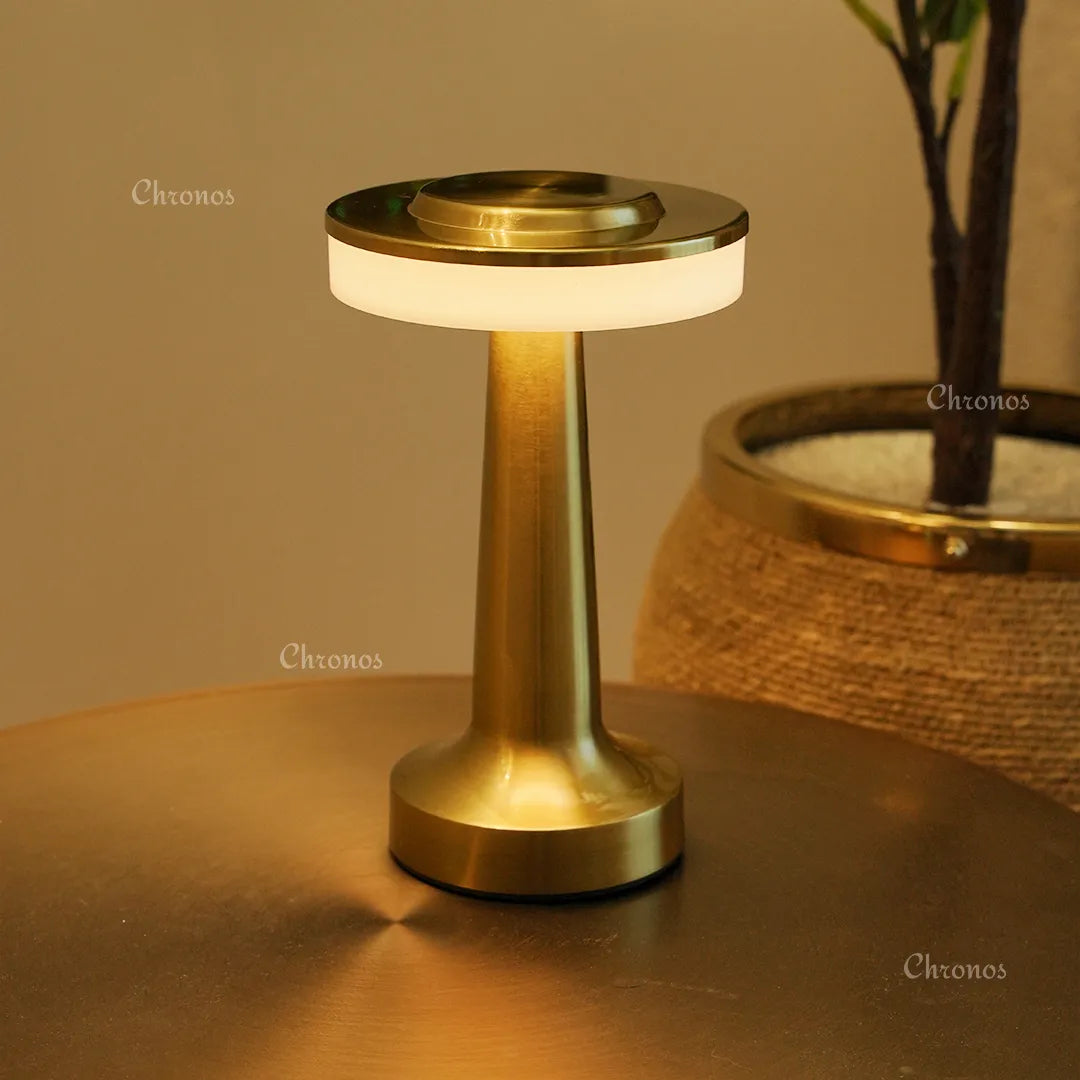
Chronos Lights supplies cordless rechargeable table lamps for restaurants, hotels, cafés, and event venues across India. Metal body construction, warm white output, USB-C charging, and 1-year warranty. Bulk orders from 20 units with GST invoice and pan-India delivery.
- Lunasta Portable Rechargeable LED Table Lamp — Metal body, touch dimmer, USB-C — ₹1,299
- Corby Portable Rechargeable LED Table Lamp — Compact, warm white, USB-C — ₹999
- Browse all cordless table lamps
Planning a bulk order for your venue? See B2B pricing, MOQ, and project supply details — or WhatsApp us directly with your table count and timeline for a same-day quote.