



















# What Is CRI in LED Lights and Why It Matters
If you've shopped for LED lighting recently, you've probably seen "CRI 80" or "High CRI" printed on the packaging without much explanation of what it actually means. CRI — Color Rendering Index — measures how accurately a light source reveals the true colors of objects compared to natural daylight, scored on a scale from 0 to 100. A higher number means colors look truer to life; a lower number means they can look dull, flat, or slightly off. It's one of the most overlooked specs when buying LED lighting, and one of the ones that makes the most visible difference once you know what to look for.
## What CRI Actually Affects
CRI isn't an abstract lighting-engineer metric — it shows up in ordinary situations most people don't immediately connect back to their light bulbs:
- **Photography and content creation.** Low-CRI lighting can shift skin tones and colors in a way that's hard to correct afterward, even with editing. This is why ring lights and photography-grade fixtures are almost always marketed with a high CRI rating.
- **Makeup application.** Applying makeup under low-CRI light is a common reason a look that seemed fine at home looks noticeably different in daylight or under a phone camera — the light itself was misrepresenting the colors.
- **Art, craft, and detail work.** Any task where matching or judging color accurately matters — painting, embroidery, color-sensitive craft work — benefits directly from higher CRI, since low-CRI lighting can make similar shades harder to distinguish.
- **Retail and product displays.** Color accuracy under store lighting genuinely affects how products look to customers; this is well-documented enough that retail spaces are one of the standard use cases where lighting designers specifically recommend high CRI.
## CRI Comparison: 80 vs 90 vs 95 vs 98
| CRI Range | Rating | What You'll Notice |
|---|---|---|
| **Below 80** | Poor | Colors look noticeably dull or flat; not recommended where appearance matters |
| **80–90** | Good (industry baseline) | Acceptable for general use; most colors render reasonably well but may lack vibrancy |
| **90–95** | Great | Colors "pop" and are easily distinguishable — most people can visibly tell the difference from 80 CRI at this level |
| **95–98+** | Excellent / High-CRI | Near-natural color accuracy, close to how objects appear in daylight |
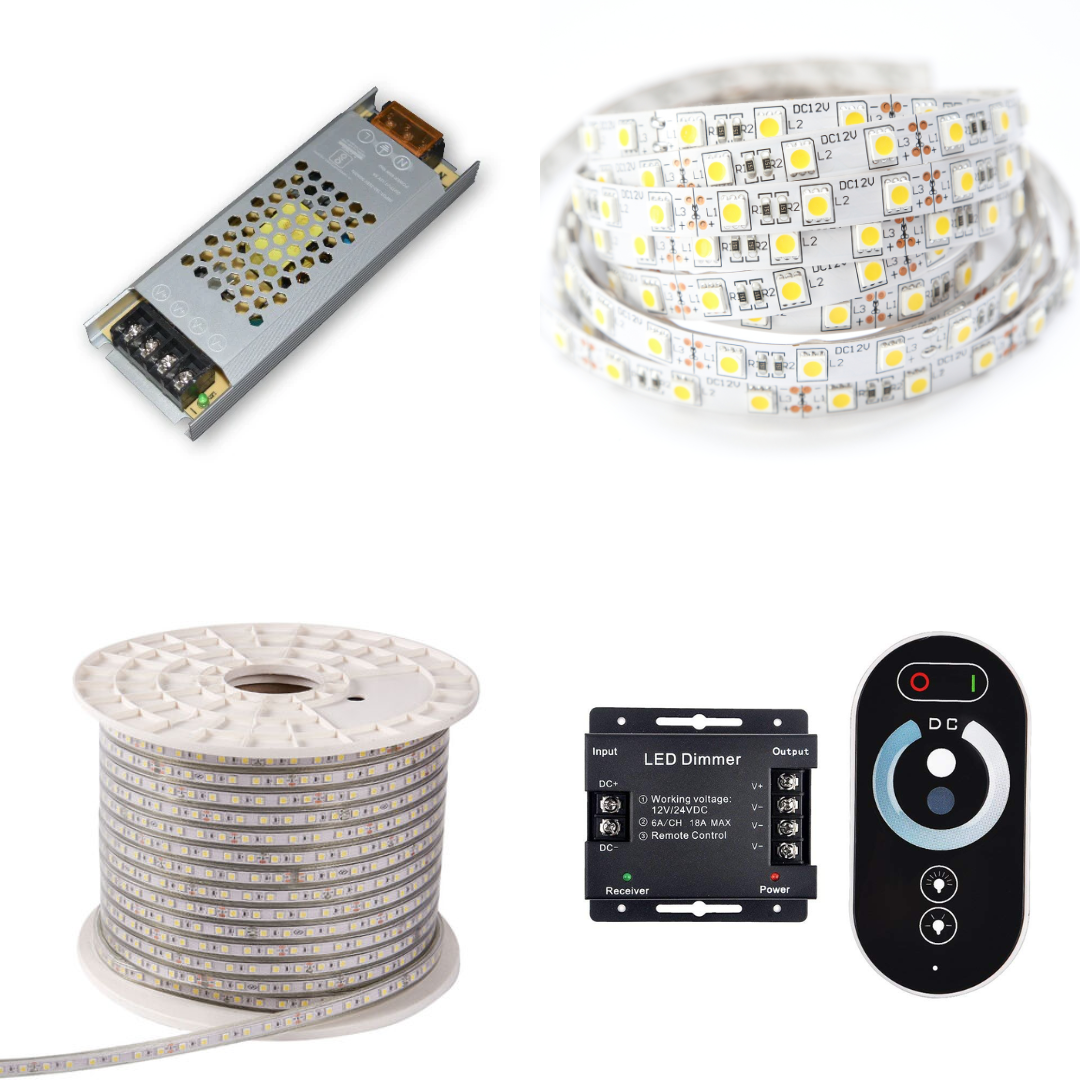
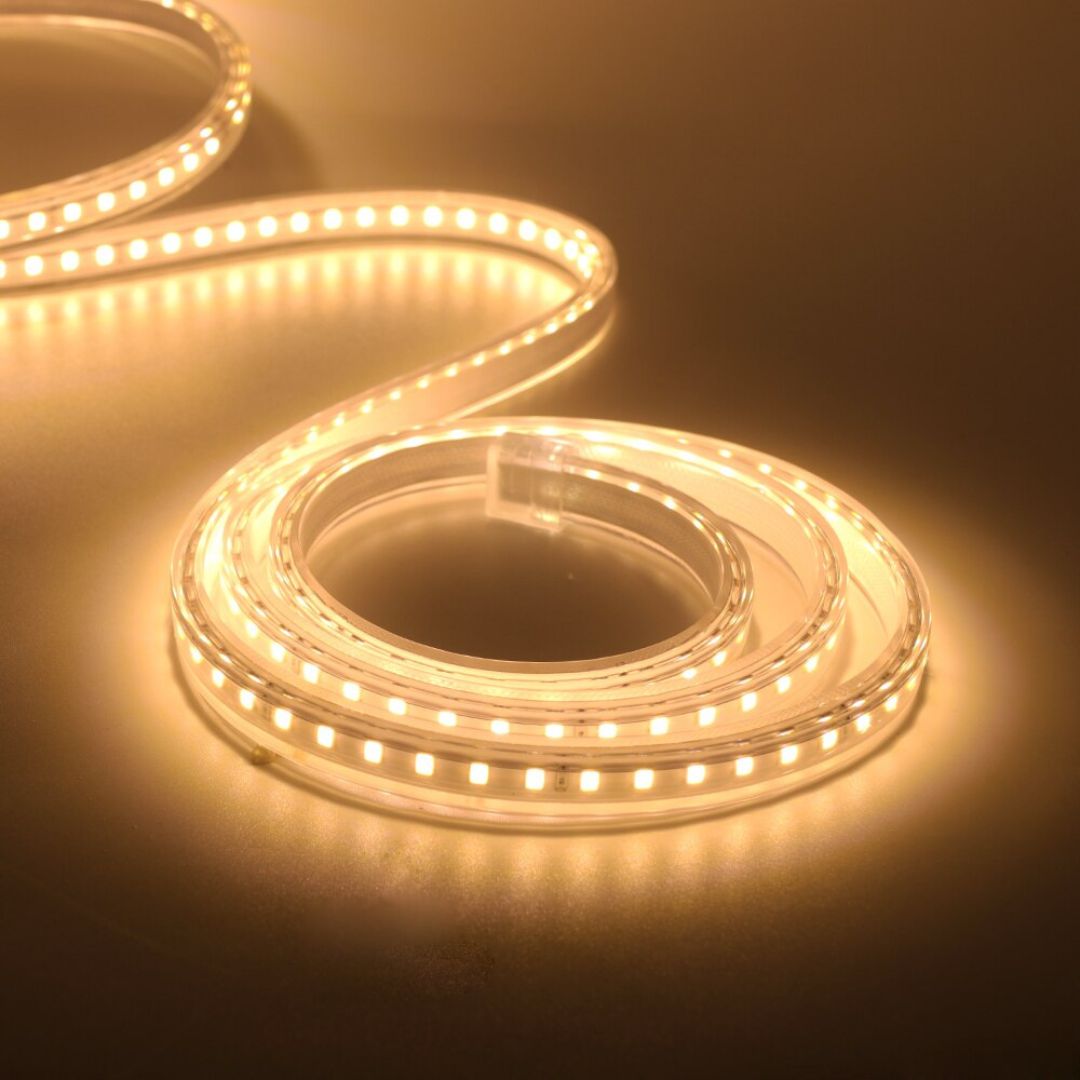
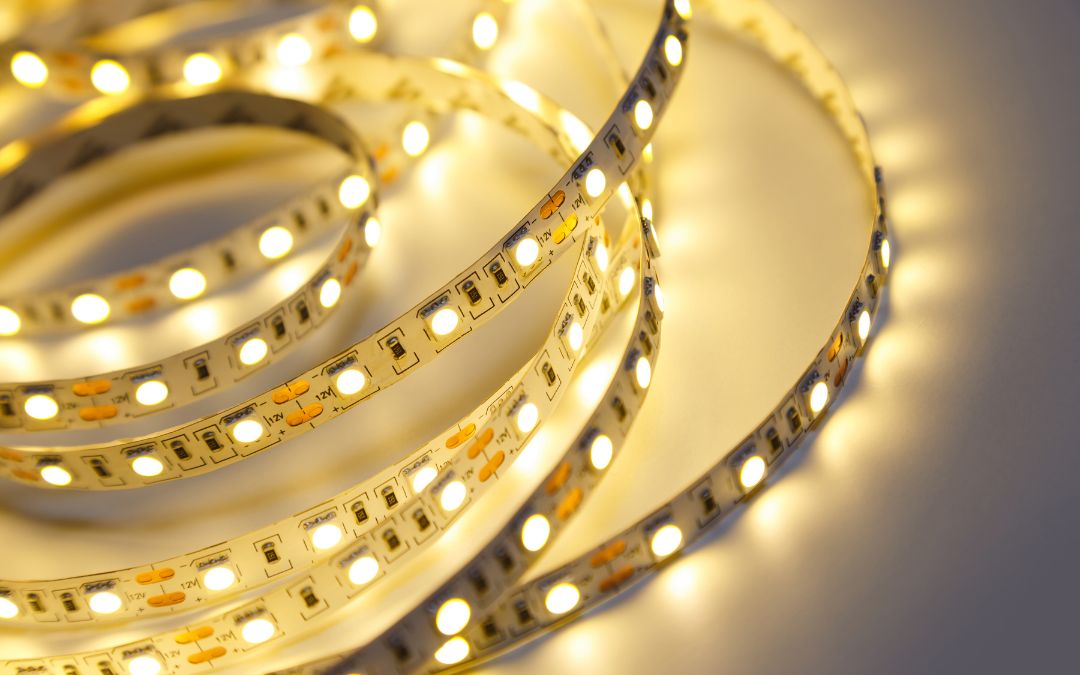
Our **High-CRI98 strip lights** sit at the top of this range, designed specifically for spaces where color accuracy matters — content creation setups, art or craft spaces, and anywhere standard LED lighting has felt slightly "off."
**One important detail most buyers miss:** standard CRI only averages 8 pastel test colors, and doesn't specifically account for saturated red — the color human skin tones, food, and warm-toned decor rely on most. A fixture can advertise 90 CRI overall while still rendering reds poorly if that separate red-accuracy value (sometimes listed as R9) is low. If color accuracy for skin tones, food photography, or warm decor is your priority, an R9 value alongside the CRI rating is worth checking — not just the headline number.
## How to Check CRI Before Buying
- Look for the CRI number explicitly listed on the product page or packaging — not all listings include it, which is often a sign the fixture is standard/baseline CRI (typically 80 or unspecified)
- If color accuracy really matters for your use case (photography, retail display, craft work), check for an R9 value in addition to the main CRI number
- Don't confuse CRI with color temperature (measured in Kelvin) — a "warm white" or "cool white" label describes the tone of the light, not how accurately it renders color. A light can be warm-toned and still have poor CRI, or cool-toned with excellent CRI. These are independent specs, and buying based on color temperature alone won't tell you anything about color accuracy.
## When You Actually Need High CRI (and When You Don't)
You don't need to pay more for high CRI everywhere in your home — it matters most in specific situations:
- **Worth prioritizing:** content creation and photography spaces, makeup/vanity lighting, art and craft rooms, kitchens where food presentation matters, display or retail lighting
- **Standard CRI is usually fine:** general ambient room lighting, outdoor or security lighting, storage areas, spaces where color accuracy isn't a practical concern
Higher-CRI lighting typically costs a bit more and can be marginally less energy-efficient than standard CRI equivalents, so it's worth targeting it where it actually changes how a space looks or functions, rather than defaulting to it everywhere.
---
Looking for accurate, true-to-life lighting? Browse our [High-CRI98 LED strip lights](/products/high-cri98-192-led-strip-lights-nw) — built for spaces where color accuracy actually matters.