


























Pooja Room: Sacred Lighting for Worship
✨ AI-Optimized Content
This article was created with AI assistance to provide timely, accurate, and product-focused Diwali decoration guidance. AI helps us deliver high-quality content faster while maintaining our editorial standards.
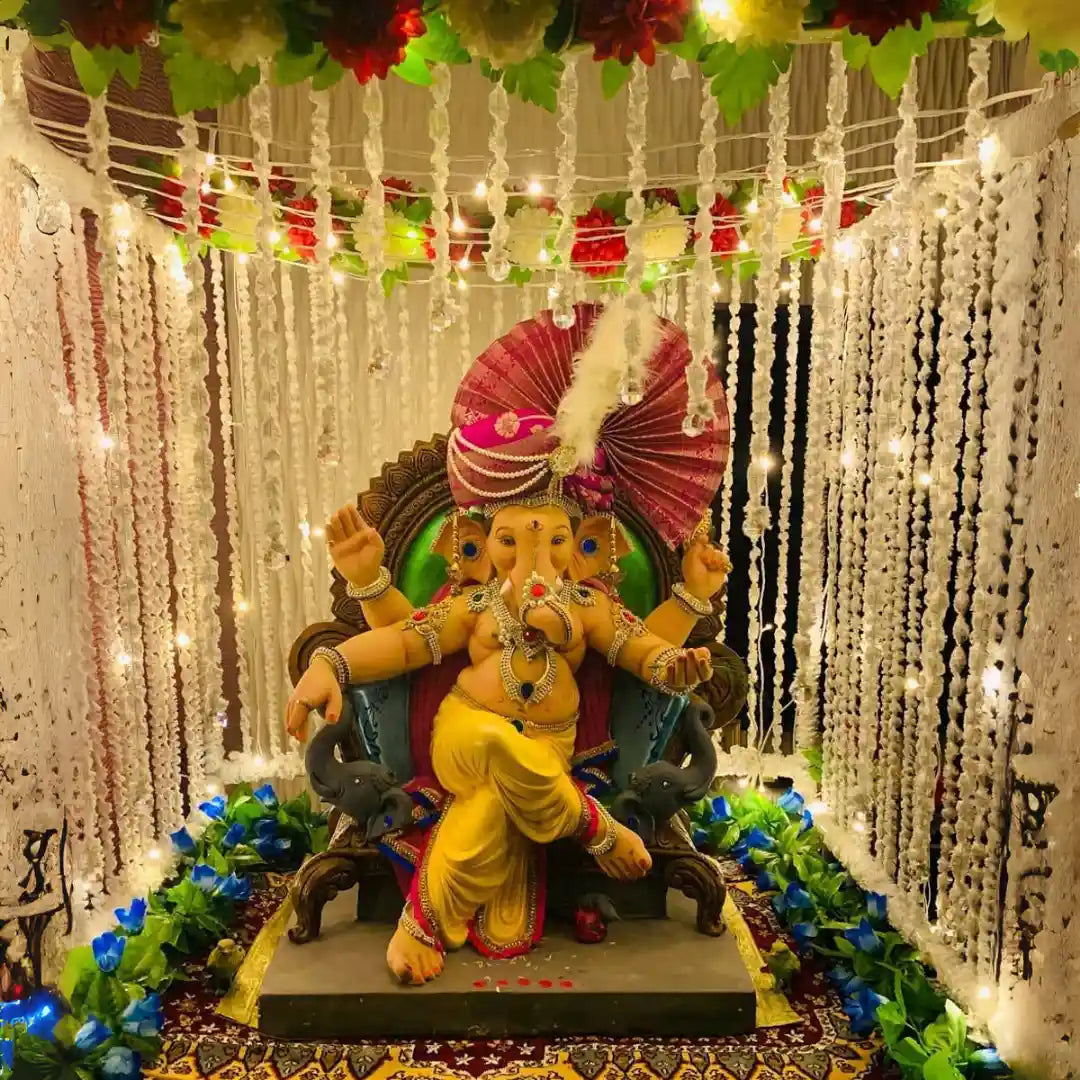
A pooja room is a sanctuary. It's where prayers are offered, blessings are asked, and gratitude is expressed. The lighting in this space should reflect its sacred purpose—warm, respectful, meditative, and spiritually affirming.
Most homes treat pooja rooms like any other space. They throw up standard lights and call it done. But a properly lit pooja room transforms the spiritual experience. It creates the mental space for deep, meaningful prayer.
The Spiritual Purpose of Lighting in Pooja Rooms
In Hindu traditions, light (jyoti) represents:
The divine consciousness
Knowledge and wisdom
Dispelling darkness (ignorance)
Blessing and auspiciousness
When you light a lamp or diya in a pooja room, you're not just adding illumination—you're performing a spiritual act. The light is an offering to the divine.
Modern LED lights maintain this symbolism while offering safety and practicality.
The Sacred Pooja Setup (₹2,000)
Layer 1: Primary Light
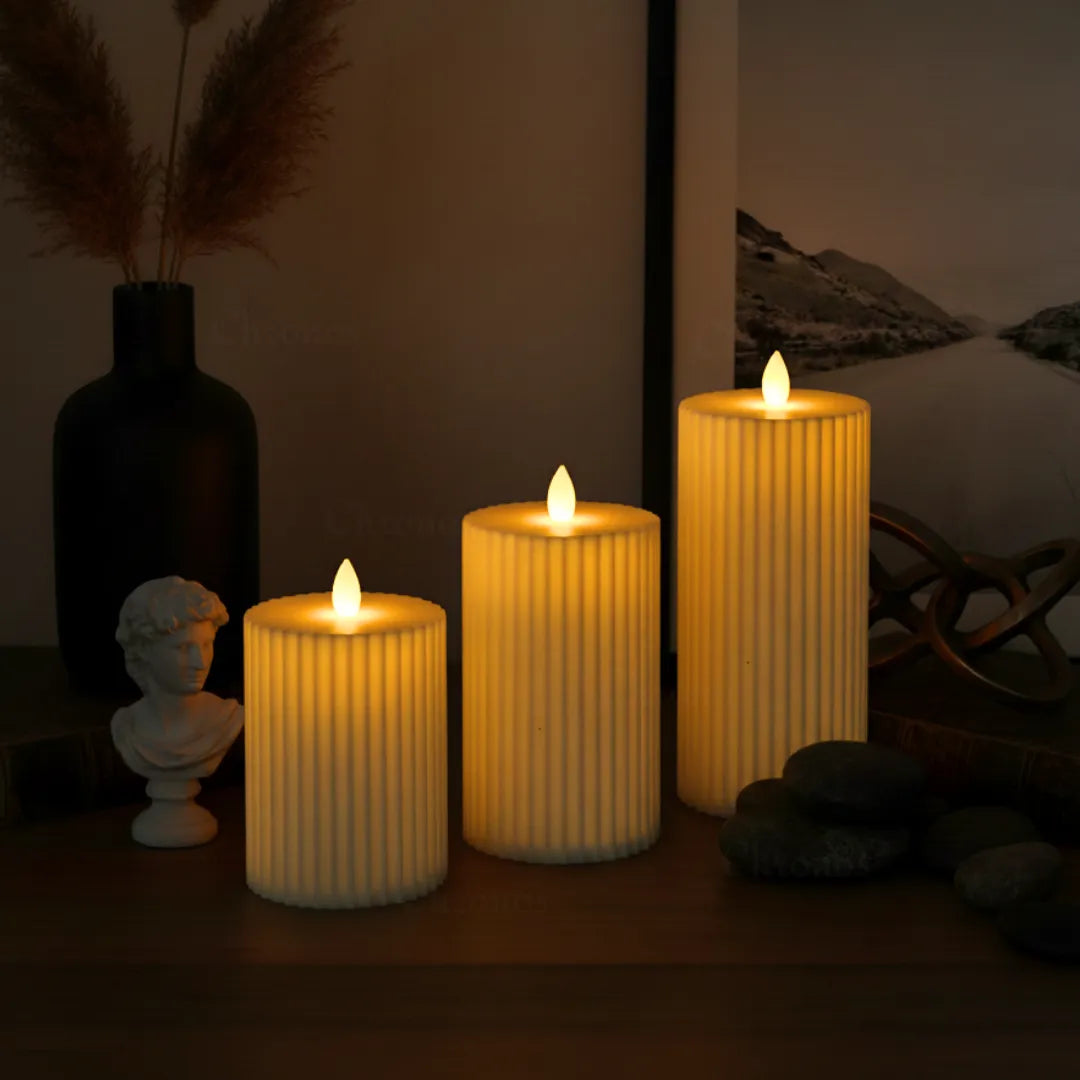
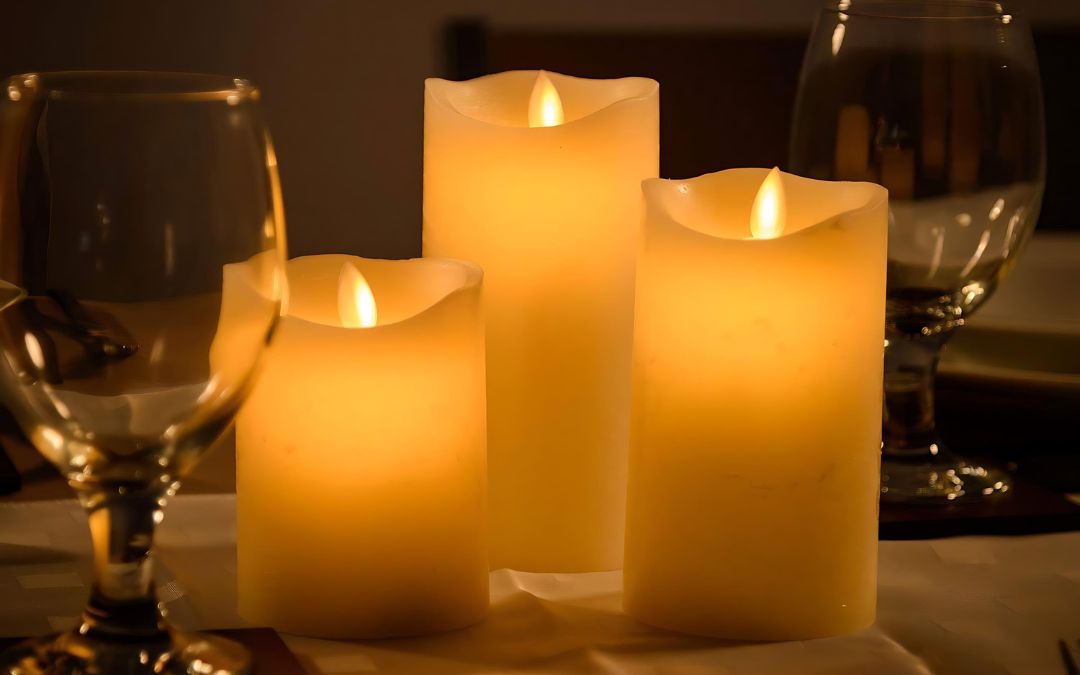
1 moving flame pillar candle (large): ₹600
Center of altar or back wall
Represents the divine flame
Focal point of prayer space
Layer 2: Supporting Light
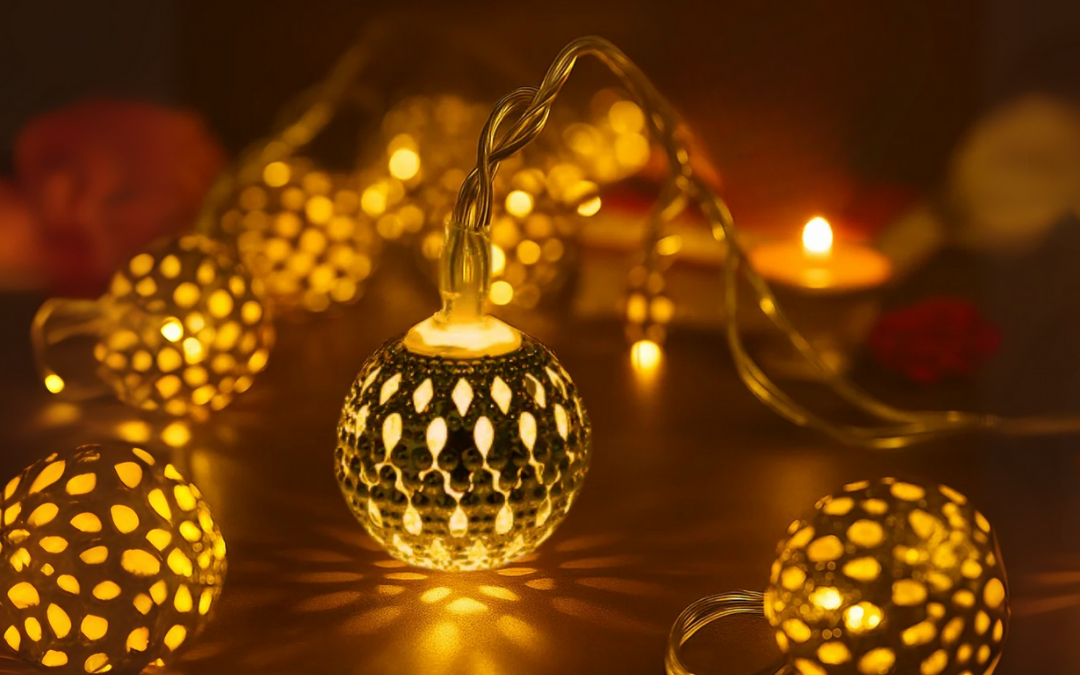
1 diya curtain string (warm white, 24 diyas): ₹800
Behind altar or on side wall
Represents traditional diya tradition
Creates respectful glow
Layer 3: Accent Light
OM & Swastik lights (small, brass): ₹400
On shelves or side tables
Represents spiritual symbols
Adds cultural significance
Layer 4: Foreground Light
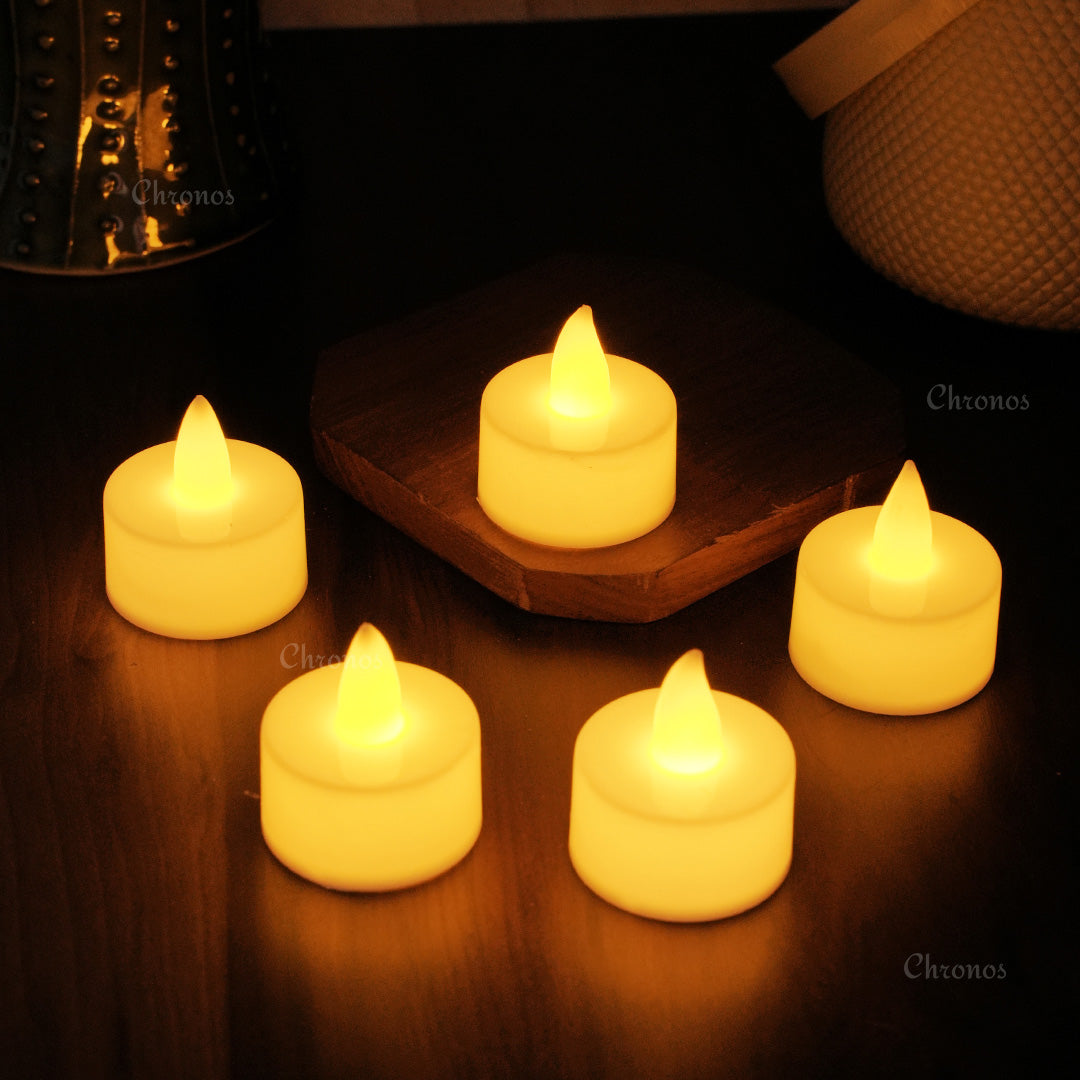
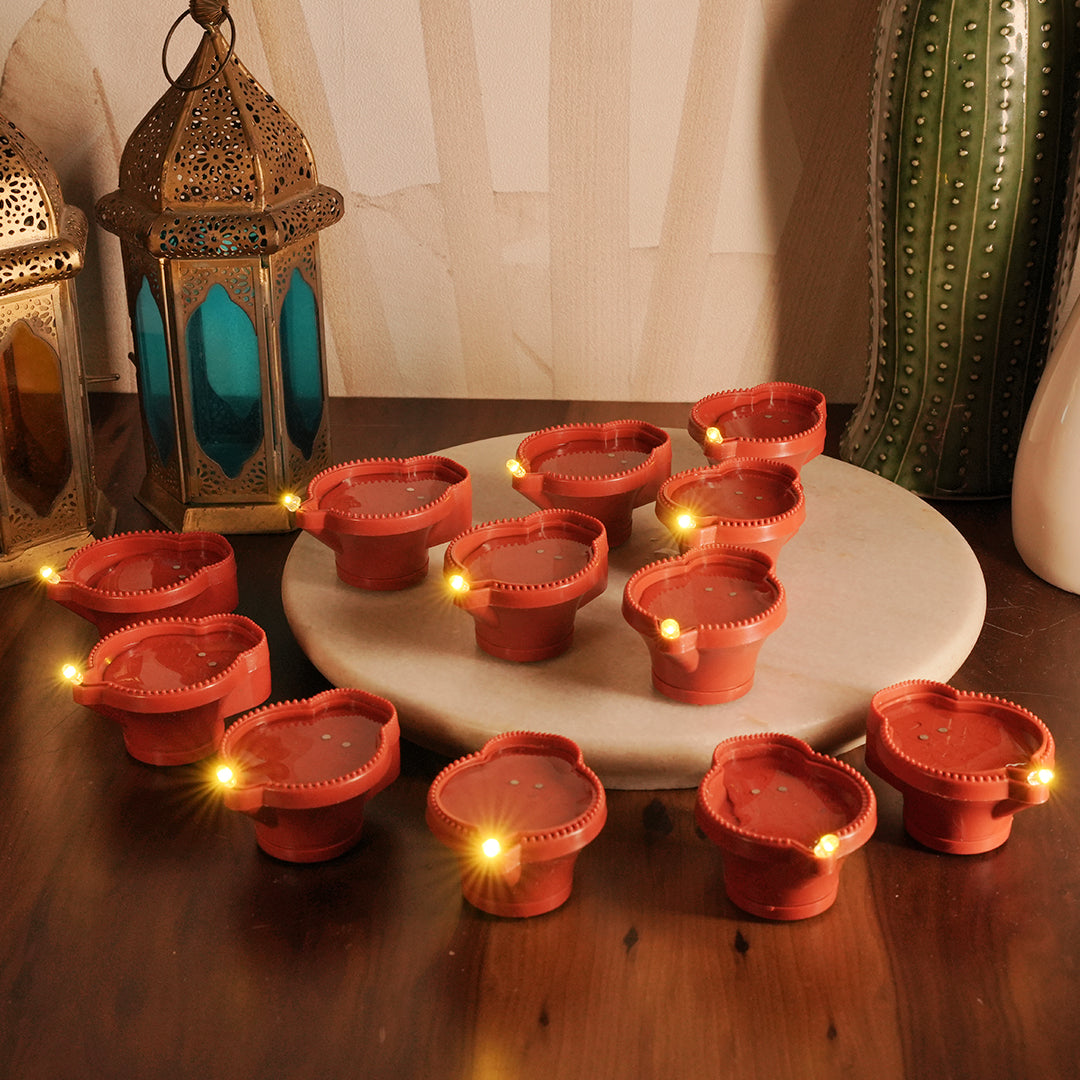
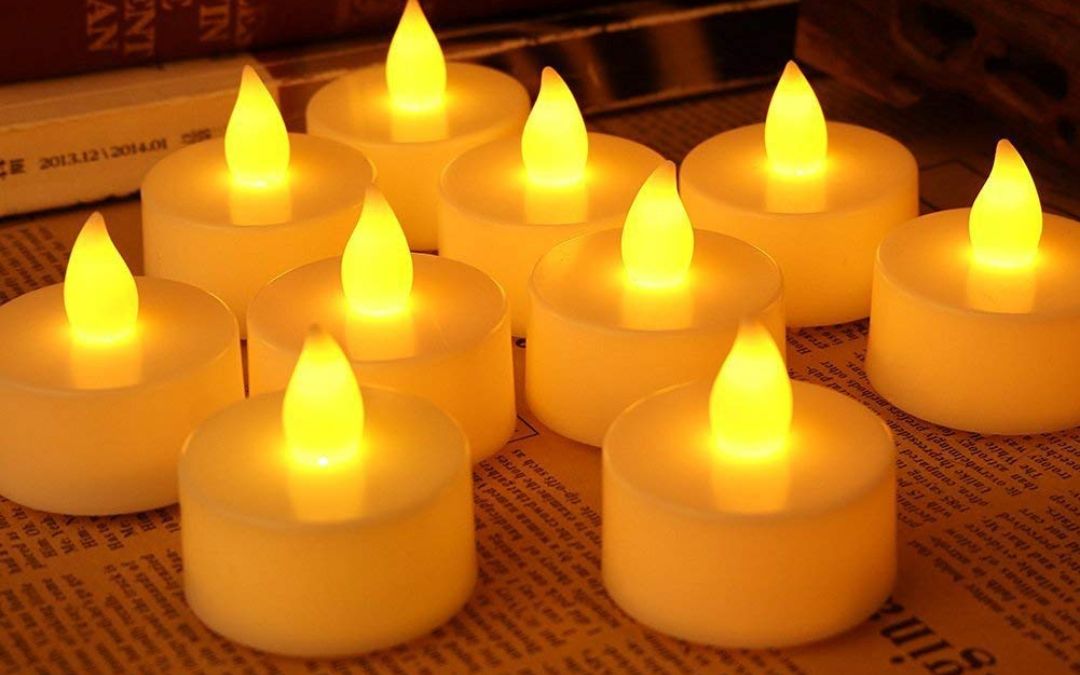
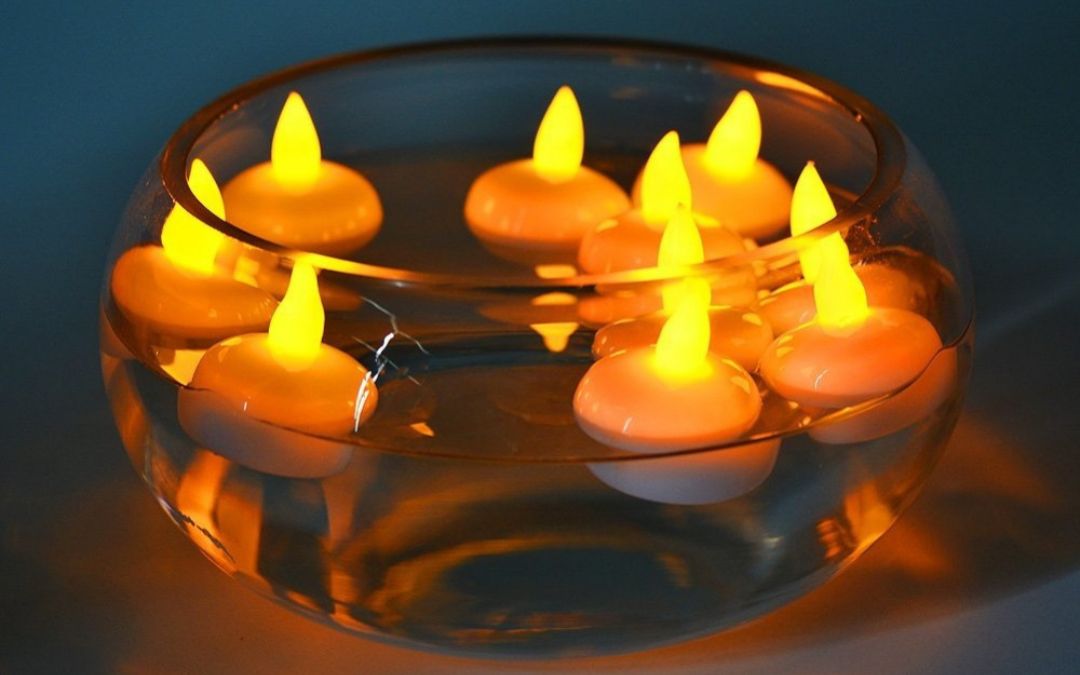
4-6 tea lights on altar: ₹100
Scattered before deity
Intimate, personal offering
Completes the setup
Total Investment: ₹1,900
Visual Result: Deeply spiritual, respectful, inviting
Material Considerations
For Pooja Rooms, Choose:
Warm Colors Only
Warm white or amber LED
Resonates spiritually
Never multi-color or cool tones
Traditional and respectful
Natural Materials
Brass or copper lights (OM/Swastik)
Acrylic or glass candles
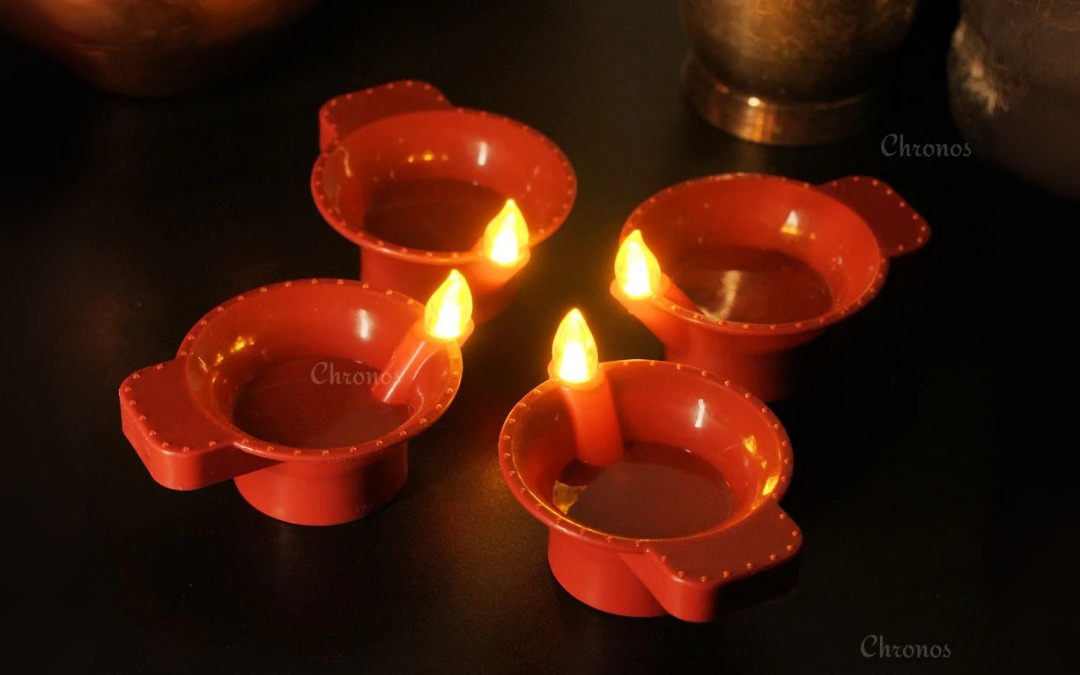
Earthen bowls for tea lights
Creates authentic aesthetic
No Artificial Elements
Avoid plastic finishes
No metallic silver or chrome
Stick with warm metals (brass, copper, gold)
Maintains spiritual integrity
Sizing for Different Pooja Room Sizes
Small Pooja Room (4×5 ft):
1 medium pillar candle (altar)
1 small diya curtain (12-16 diyas, side)
1 small OM light
2-3 tea lights
Investment: ₹1,200
Medium Pooja Room (6×8 ft):
1 large pillar candle (center)
1 medium diya curtain (24 diyas)
1 medium OM & Swastik (sides)
4-6 tea lights
Investment: ₹1,800
Large Pooja Room (8×12 ft):
2 large pillar candles (sides)
2 diya curtains (both walls)
Multiple OM & Swastik lights
8-10 tea lights
Investment: ₹3,000+
Safety in Sacred Spaces
Pooja rooms often have children present. Safety is paramount:
Why LED Lights Are Essential:
✅ No open flame (fire risk eliminated)
✅ Cool to touch (no burn risk)
✅ No smoke (air quality preserved)
✅ No unattended fire concerns
✅ Can burn 24/7 safely
Best Practices:
Keep tea lights away from children's reach
Use sturdy lanterns (won't tip over)
Ensure no flammable materials nearby
Test all lights before first use
Daily Pooja Ritual Integration
Morning Puja (6-8 AM):
Lights on 30 minutes before
Maintain throughout puja (1-2 hours)
Turn off after prayers
Creates consistent, respectful routine
Evening Puja (5-7 PM):
Lights on as sun sets
Maintains throughout puja
Can leave on for 1-2 hours after
Extends spiritual practice
Before Sleep Ritual (10-11 PM):
Some families light lights before bed
Quick gratitude moment
5-10 minute use
Creates peaceful transition to sleep
Energy Management:
Use timer to turn off automatically
Battery option for flexibility
Plug-in option for reliability
Combine based on household routine
Real-Life Story: Kamla's Transformation
Kamla, 67, had maintained her pooja room with real diyas for 40 years. Wax drippings stained her altar daily. She'd spend 15 minutes cleaning before prayer.
When her daughter suggested LED lights, she was skeptical. "It won't feel authentic," she said.
She tried one diya curtain. When lit, she couldn't tell the difference. For the first time in decades, her altar stayed clean. She could focus entirely on prayer.
Her feedback: "This is how it should have been all along. Same reverence, zero mess."
She now lights her pooja room every morning and evening. Prayer has become a more meaningful practice.
Combining Lights Thoughtfully
The Minimal Sacred (₹1,200)
1 pillar candle
1 diya curtain
4 tea lights
= Focused, essential, deeply respectful
The Traditional Rich (₹2,000)
2 pillar candles (sides)
1 diya curtain (back)
OM & Swastik lights (corners)
8 tea lights (altar)
= Layered, complete, spiritually abundant
The Family Pooja (₹2,800)
Multiple candles (distributed)
Multiple diya curtains (walls)
OM & Swastik (prominent)
Abundant tea lights
= Inviting for family prayers
Maintenance (Almost None)
Daily:
Ensure lights are on for prayers
Replace tea light batteries (if used)
Weekly:
Wipe dust with soft cloth
Check brightness levels
Monthly:
Replace candle batteries if needed
Inspect for any damage
No other maintenance required
Shop Sacred Lighting
Browse our Pooja Room Lighting collection and find:
Moving flame pillar candles
Diya curtain lights
OM & Swastik lights
Tea lights and holders
Light your pooja room. Sanctify your prayers. Create spiritual sanctuary.
---
✓ Verified for accuracy • AI-Optimized for Diwali 2026 • Perfect for Shopify Blog