














How to Choose LED Lights for a False Ceiling — Complete Guide for Indian Homes
Quick answer: A well-lit Indian false ceiling uses three layers — cove LED strip lights for ambient indirect light, recessed COB downlights for functional illumination, and occasionally accent spots or a central pendant. Use 24V warm white LED strips (120–192 LEDs/m, CRI 90+) for cove lighting, 6W–8W COB downlights spaced 1.5–2m apart for downlighting, and warm white (3000K) throughout living rooms and bedrooms. Cool white only in kitchens and offices.
The false ceiling is the single largest design surface in most Indian homes — yet most homeowners decide on the lighting as an afterthought, after the POP work is done and the options are limited. The result: flat, uniform tube-light-style illumination that makes even expensive interior work look ordinary.
Lighting planned from the start — before the false ceiling is constructed — can use the same ceiling to create dramatically different results: a warm, layered ambience that makes a room feel like a designed space rather than a lit box. This guide covers exactly how to do that, with specific product choices and Indian cost estimates at each stage.
The three lighting layers every Indian false ceiling needs
Good false ceiling lighting is not about more lights — it is about the right combination of light types at different levels and for different purposes.
| Layer | Type | Purpose | Position |
|---|---|---|---|
| Ambient indirect | Cove LED strip lights | Soft uplight wash on ceiling. Creates the "floating ceiling" effect. Sets mood. | Inside recessed cove ledge, perimeter of ceiling |
| Ambient direct | Recessed COB downlights | Functional room illumination. Reading, conversations, daily activity. | Recessed in ceiling surface, evenly spaced grid |
| Accent / focal | Spotlight, pendant, or chandelier | Focal point. Highlights a feature, dining table, or artwork. | Centred on a feature or clustered above a table |
Each layer should be on a separate switch or dimmer circuit — so you can use cove lighting alone for evening ambience, downlights alone for functional light, or all three together for full illumination when needed. This is the most important electrical planning decision and must be made before the false ceiling is constructed.
Layer 1 — Cove LED strip lights
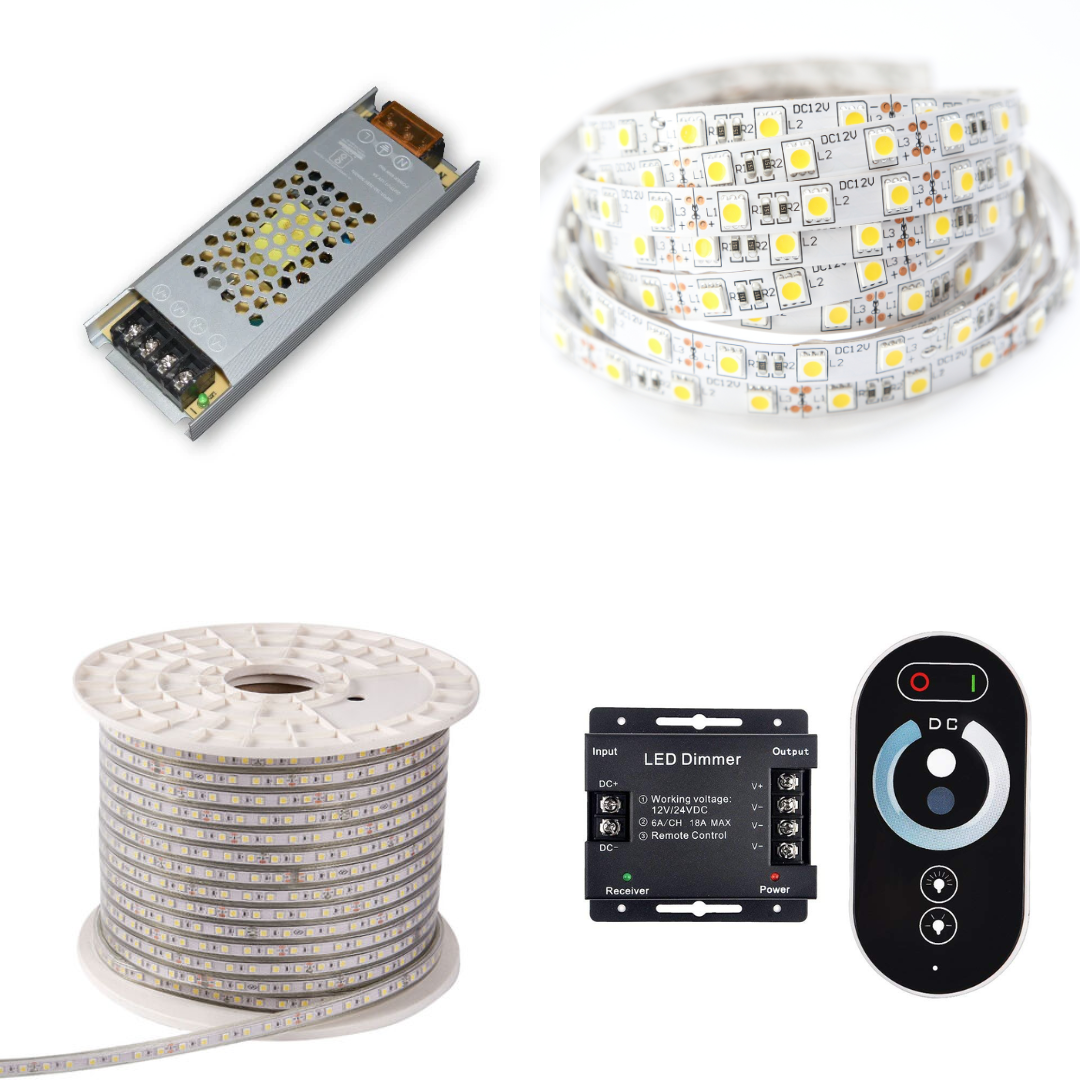
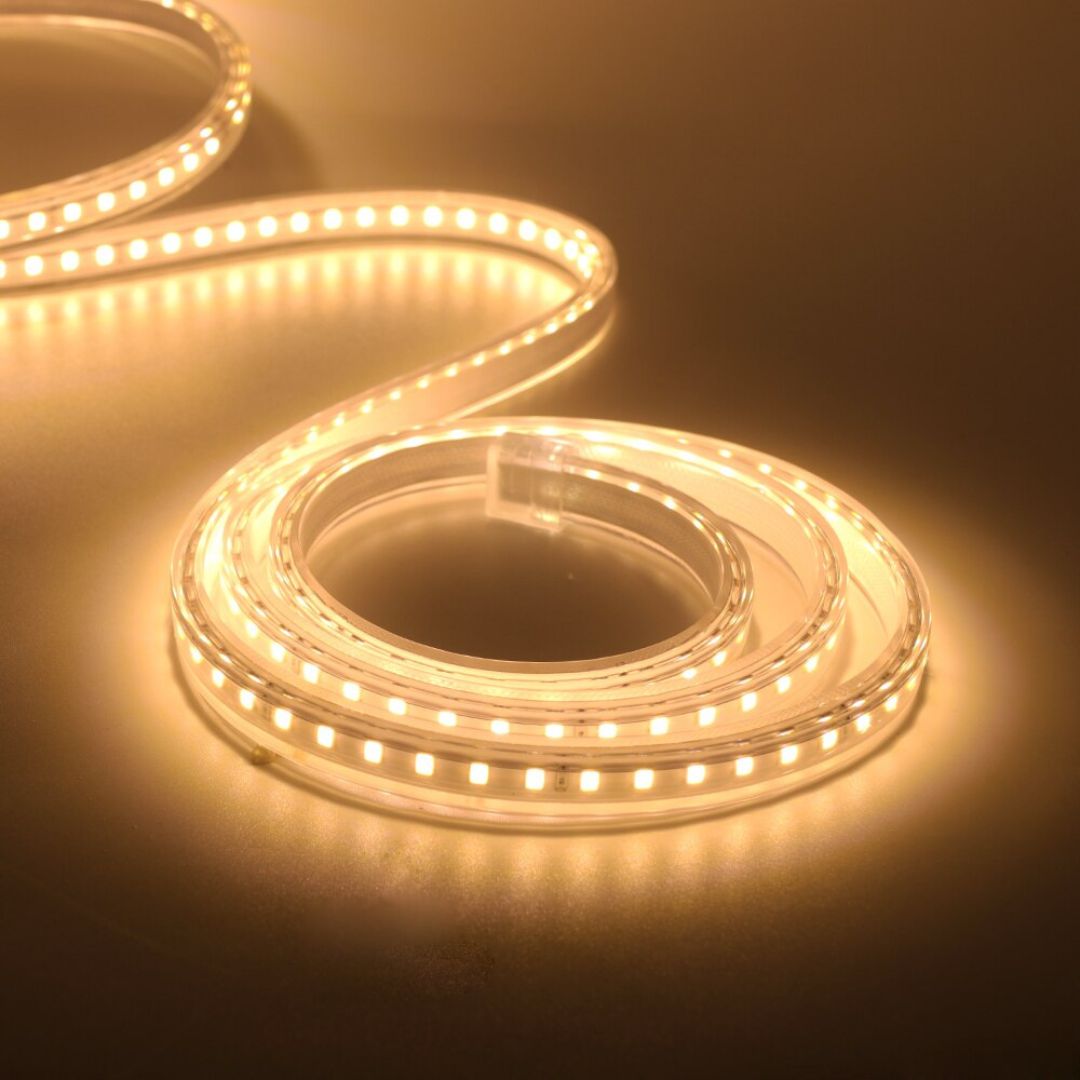
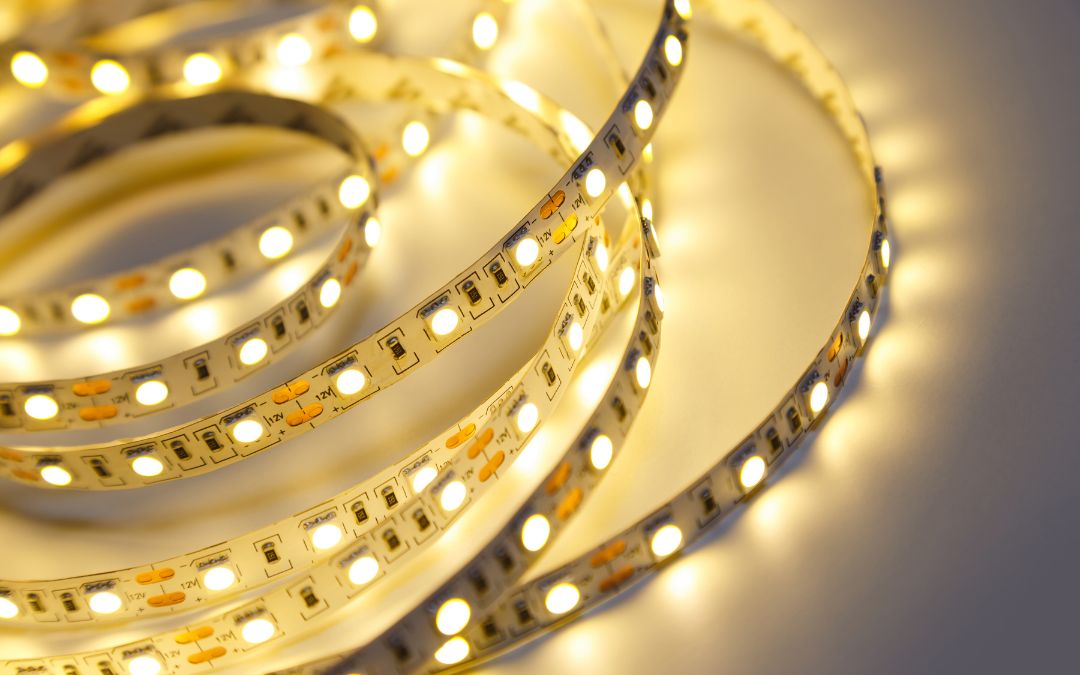
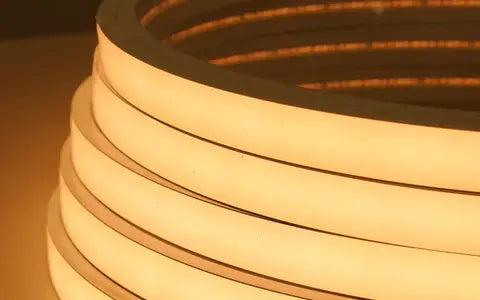
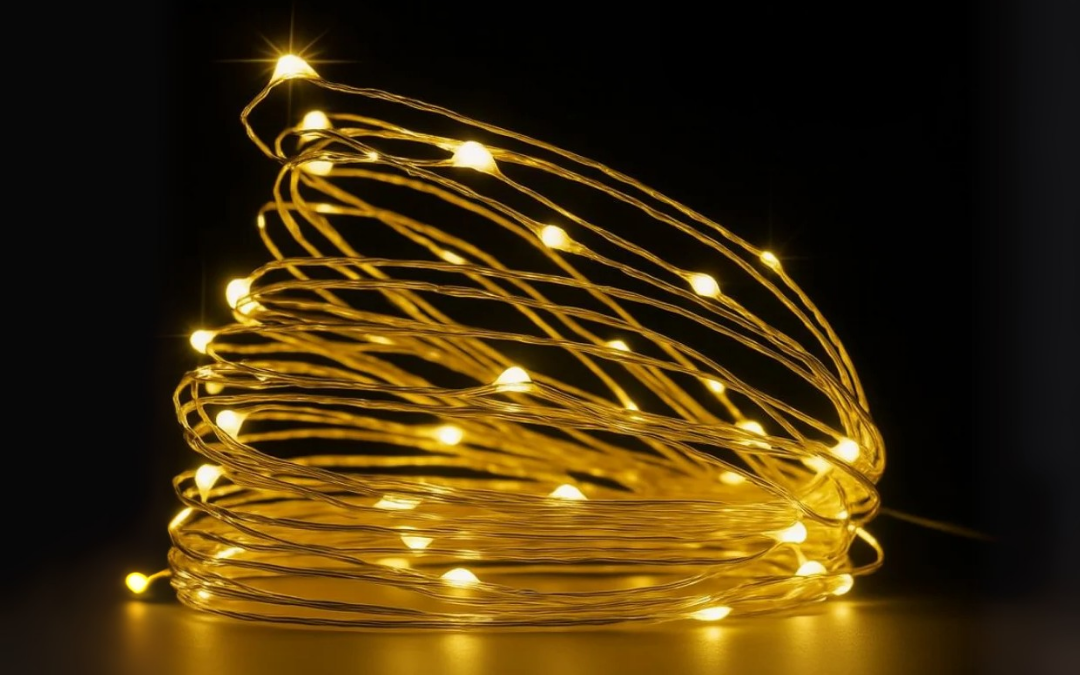
Cove lighting is the signature element of modern Indian false ceiling design. The LED strip is hidden inside a recessed ledge at the perimeter of the ceiling — light washes upward onto the ceiling surface, creating a soft, glare-free ambient glow that makes the ceiling appear to float.
What to specify for cove strips
| Spec | Recommended | Why |
|---|---|---|
| Voltage | 24V | Room perimeters are 12–20m — beyond 12V safe run length. Always 24V for cove lighting. |
| LED density | 120–192 LEDs/m | Higher density = smoother ceiling wash with no visible dots. 192 LEDs/m for premium rooms. |
| CRI | 90+ minimum, 95+ for premium | Cove light washes the entire ceiling — low CRI makes the ceiling colour look flat and wrong. |
| Colour temp | 3000K warm white for most rooms | Creates relaxing ambience. Natural white (4000K) for kitchens and offices only. |
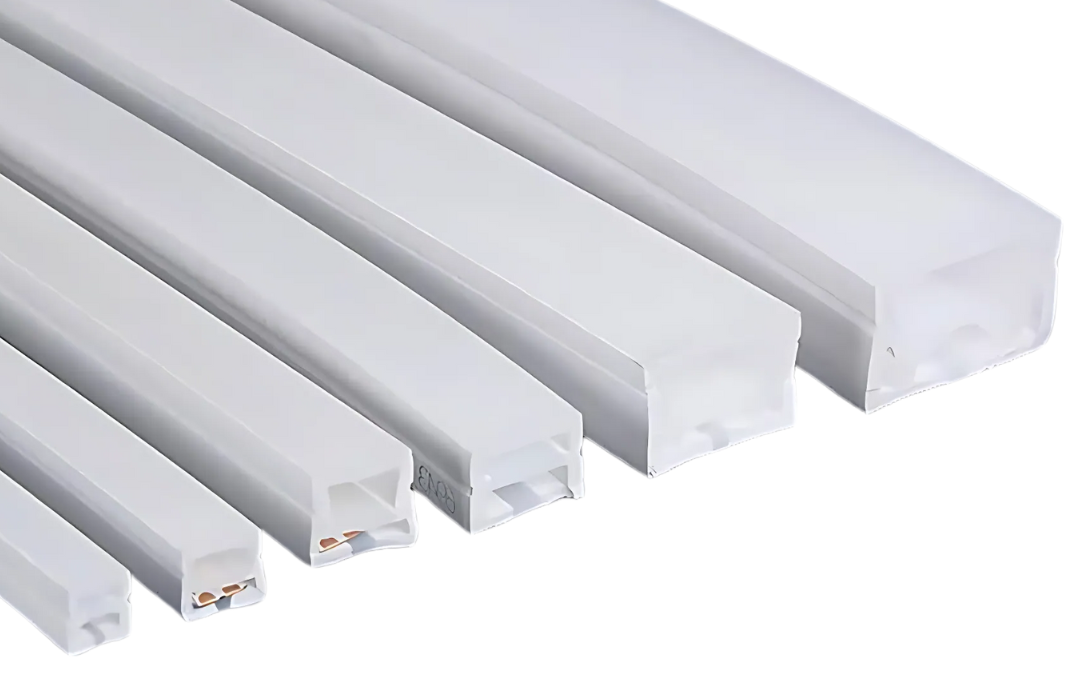
| Profile | Top-view silicone diffuser | Eliminates visible LED dots. Non-negotiable for professional results. |
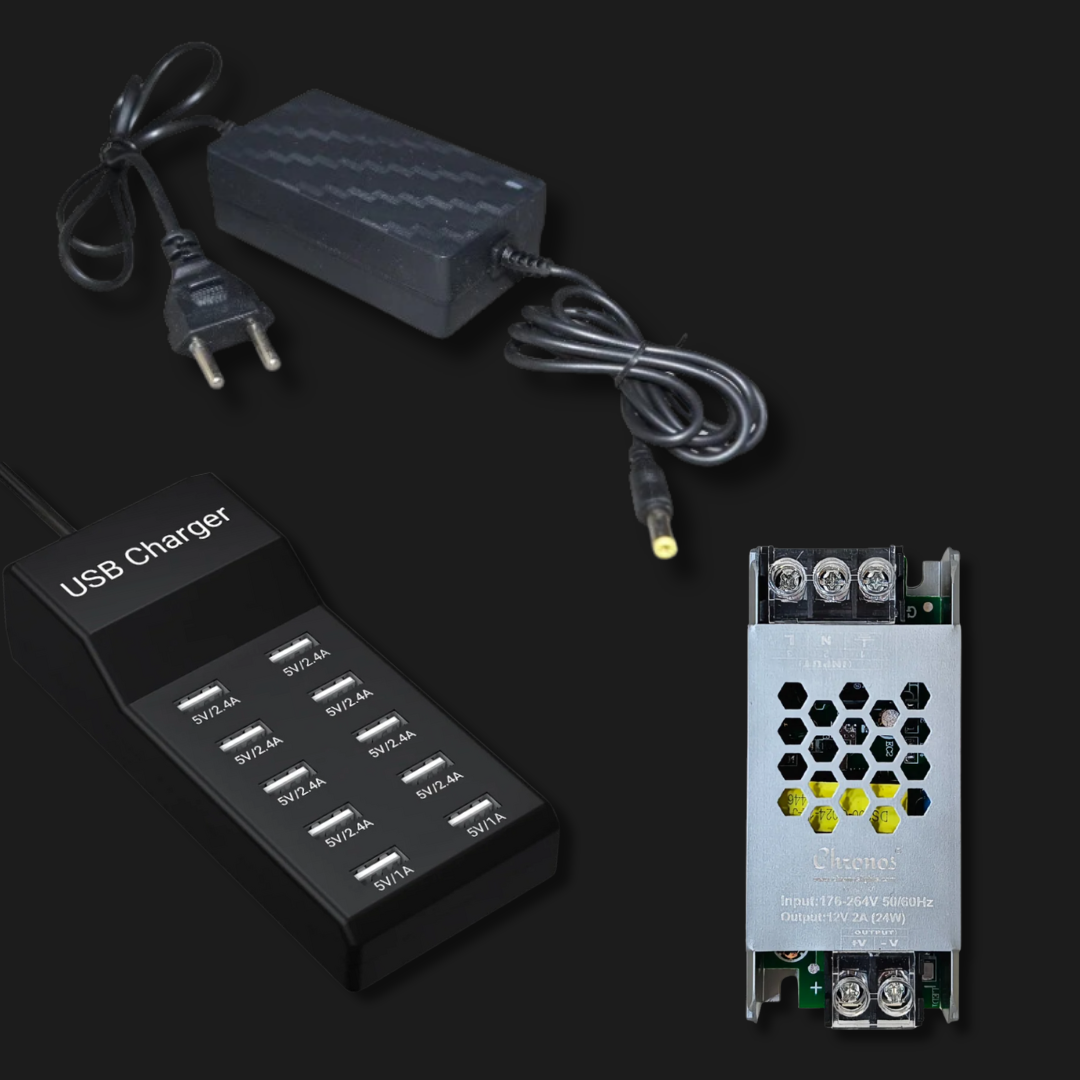
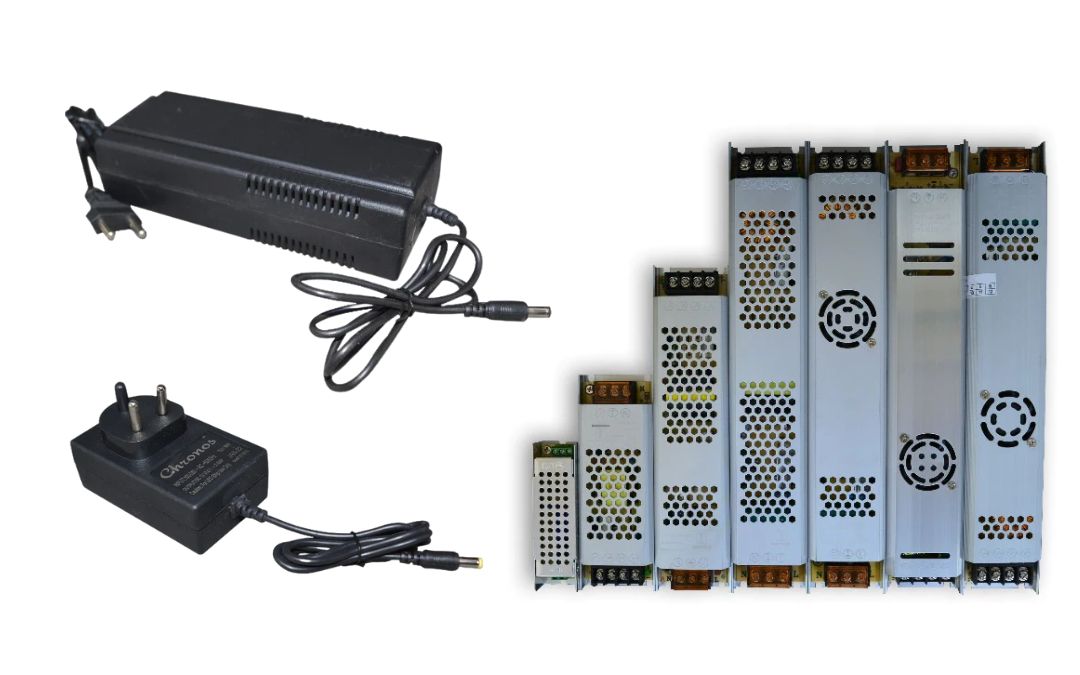
| Driver | Sized at W/m × metres × 1.2 | Safety margin prevents overheating and early failure. |
For detailed cove lighting installation steps, see our complete cove lighting installation guide.
Layer 2 — Recessed COB downlights
COB (Chip on Board) downlights are the standard recessed fitting for Indian false ceilings. They sit flush with the ceiling surface, produce focused downward light, and are available in round and square formats in sizes that fit standard false ceiling cut-outs.
What to specify for COB downlights
| Spec | Recommended | Why |
|---|---|---|
| Wattage | 6W–8W per fitting | Sufficient for ambient room lighting spaced 1.5–2m apart. Higher wattage for task areas. |
| Colour temp | 3000K for living/bedroom, 4000K for kitchen | Match to room purpose and cove colour temperature for cohesion. |
| CRI | 80+ minimum, 90+ recommended | COB light falls directly on surfaces and people — low CRI is visible. |
| Beam angle | 36–45° for ambient, 24° for accent | Wide beam for room fill, narrow for spotlighting artwork or furniture. |
| Cut-out size | 65–75mm most common | Standard POP and gypsum cut-out sizes. Confirm with your contractor before purchasing. |
| Driver type | Non-isolating constant current | Required for Indian mains compatibility and safe flicker-free operation. |
How many downlights per room
General rule: one 7W COB downlight per 1.5–2 sq.m. of ceiling area for comfortable ambient lighting.
| Room | Approx. area | Downlights needed | Spacing |
|---|---|---|---|
| 3BHK living room | 18–25 sq.m. | 10–14 | 1.5m apart, 0.75–1m from walls |
| Master bedroom | 12–16 sq.m. | 6–9 | 1.5–2m apart |
| Kitchen | 8–12 sq.m. | 6–8 | Closer over work counters |
| Dining area | 6–10 sq.m. | 4–6 + pendant | Pendant over table, downlights around perimeter |
| Corridor / passage | 2–4m length | 2–4 in a line | Every 1.2–1.5m along the corridor |
Layer 3 — Accent and focal lighting
The accent layer is the most visible element — the one guests notice. It is not functional lighting; it is the lighting that gives a room its character.
Central pendant or chandelier: used above dining tables and as the centrepiece of living rooms with high enough ceiling clearance. In most Indian 3BHK apartments with 9–10 foot ceilings and a false ceiling, the clearance for a pendant is limited — choose compact pendants or flush-mount statement fixtures rather than hanging chandeliers.
Accent spotlights: directional fittings that highlight a specific feature — a piece of wall art, a textured feature wall, a niche, or a display shelf. Use narrow-beam (24° or less) COB fittings aimed specifically at the feature. These are separate from ambient downlights.
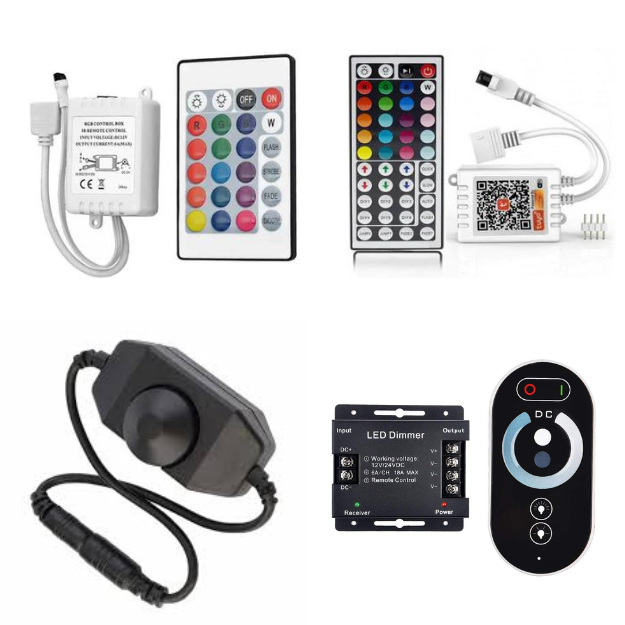
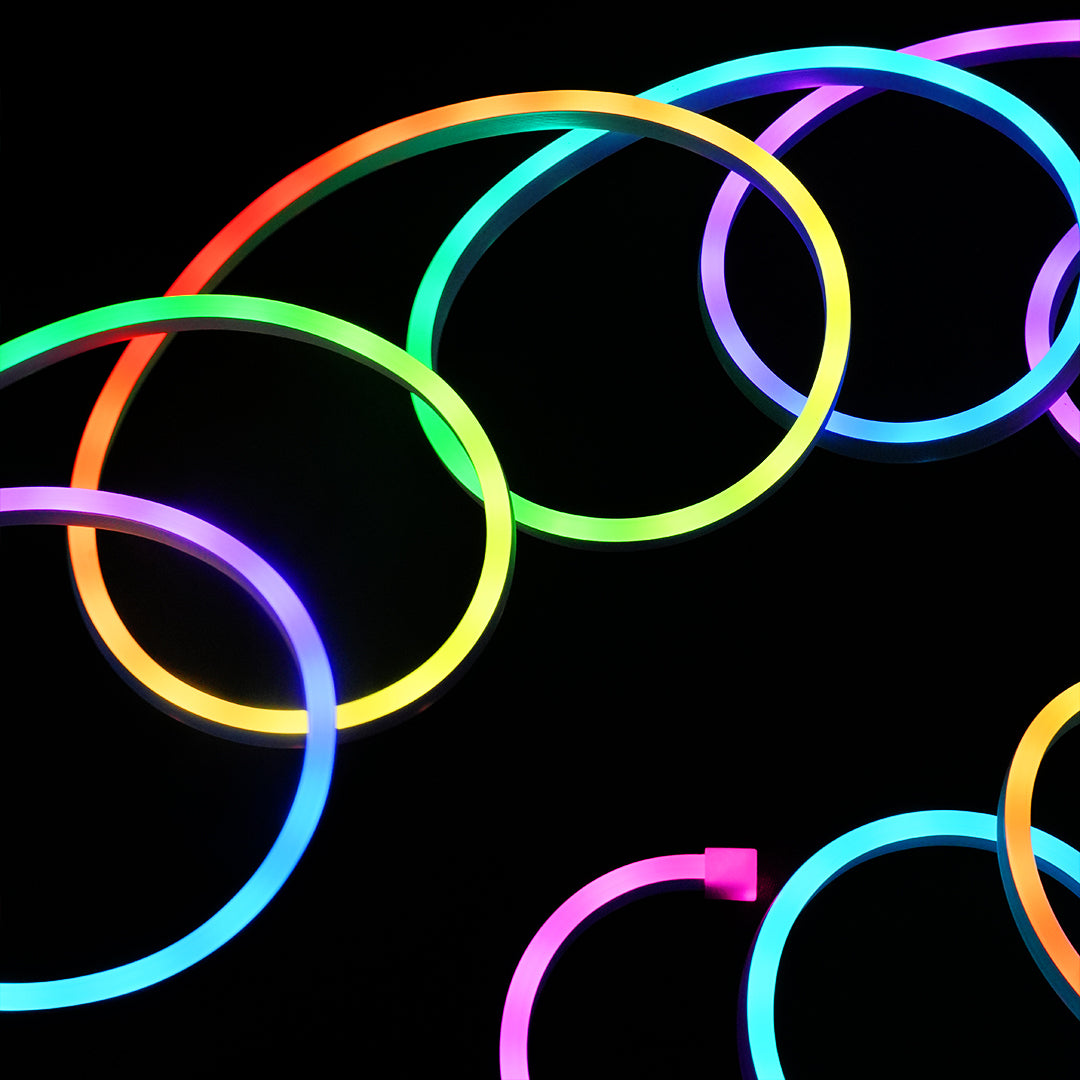
RGB or colour accent strips: in entertainment rooms and gaming rooms, a colour-changing RGB strip in a cove or behind a TV panel adds dynamic visual interest. Keep this separate from the white ambient lighting circuit — it is an accent, not an ambient source.
Room-by-room lighting specification
| Room | Cove strip | Downlights | Accent | Colour temp |
|---|---|---|---|---|
| Living room | 192 LEDs/m, CRI 90+ | 8W COB, 10–14 fittings | Optional pendant or art spots | 3000K throughout |
| Master bedroom | 120–192 LEDs/m, CRI 90+ | 6W COB, 6–9 fittings | Bedside reading spots optional | 2700–3000K |
| Kitchen | Optional — cove or none | 8W COB, closer over counters | Under-cabinet strip for work surface | 4000K |
| Dining area | Optional cove | 4–6 COB around perimeter | Pendant directly above table | 3000K |
| Home office | Optional cove | 8W COB, uniform grid | Task lamp on desk | 4000K |
| Children's room | Optional | 6W COB, 4–6 fittings | Fun pendant or night light | 3000–4000K |
| Bathroom | No cove — humidity | 6W COB IP44+, over mirror | Mirror light strip | 3000–4000K |
Indian false ceiling lighting cost estimates
| Item | Standard quality | Premium quality |
|---|---|---|
| Cove LED strip (per metre) | ₹150–300/m | ₹400–800/m |
| Silicone profile (per metre) | ₹70–100/m | ₹150–200/m |
| LED driver (cove) | ₹800–1,500 | ₹1,500–2,500 |
| COB downlight (per fitting) | ₹150–400 | ₹500–1,200 |
| Electrician (full room) | ₹3,000–5,000 | ₹5,000–8,000 |
| Living room total (materials) | ₹14,000–22,000 | ₹28,000–45,000 |
The planning mistake we see most often in Indian false ceiling projects: deciding on lighting after the POP work is complete. At that point, the cove depth is fixed, the downlight positions are fixed, and the wiring runs are fixed. If the cove is too narrow for a diffuser profile, or the downlights are too close to the cove to avoid glare, there is no easy fix. The lighting specification — how many circuits, where each type goes, what colour temperatures — should be finalised before a single square foot of POP is applied. Lighting is an architectural decision, not a decoration decision.
Frequently asked questions
Which type of LED light is best for a false ceiling?
The best approach uses three types together: 24V LED strip lights in a cove for ambient indirect light, recessed COB downlights for functional illumination, and an accent spotlight or pendant for the focal point. Each serves a different purpose and none alone creates a well-lit room. Most Indian false ceiling designs use cove strips and COB downlights as the baseline, with accent lighting added in living rooms and dining areas.
What colour temperature for bedroom false ceiling lights?
Warm white 2700–3000K for bedrooms. This colour temperature creates a relaxing, cosy atmosphere suitable for rest and is flattering to skin tones. Avoid cool white (5000K+) in bedrooms — it creates an alerting, clinical environment incompatible with a restful space. Use the same colour temperature for both the cove strip and the downlights to keep the room cohesive.
How many downlights for a false ceiling?
One 6W–8W COB downlight per 1.5–2 sq.m. of ceiling area for comfortable ambient lighting. A 15 sq.m. living room needs 8–10 downlights spaced approximately 1.5m apart in a grid, with the outer row 0.75–1m from the walls. Reduce the count if a central pendant provides significant central illumination.
What is the difference between cove lighting and downlights?
Cove lighting is indirect — strips hidden inside a ledge cast light upward for a soft ambient glow with no visible source. Downlights are direct — recessed fittings cast light downward for functional illumination. They serve different purposes and work together: cove lights for atmosphere, downlights for the ability to see and use the room comfortably. Most Indian false ceiling designs need both.
How much does false ceiling lighting cost in India?
Materials for a standard 3BHK living room: cove LED strip ₹4,000–12,000 (16–18m), silicone profile ₹1,200–3,000, LED driver ₹800–2,500, COB downlights ₹1,500–12,000 (10–12 fittings), electrician ₹3,000–8,000. Total: ₹10,500–37,500 depending on quality. Premium strip lights and branded downlights sit at the higher end. False ceiling construction cost is separate.
Should I use warm white or cool white for living room false ceiling?
Warm white (3000K) for the cove ambient lighting in a living room. This creates a welcoming, relaxed atmosphere suitable for a social space. For the functional downlights, 3000K is also standard for living rooms. Natural white (4000K) is acceptable for the downlights only if the room doubles as a home office — the higher colour temperature aids concentration and task work.
What is layered lighting in a false ceiling?
Layered lighting uses multiple light types on separate circuits for different purposes — cove strips for ambient indirect light, downlights for functional room illumination, and accent spots or a pendant for a focal point. Each layer is switched independently so you can use cove lights alone for evening ambience, downlights for reading, or all three for full illumination. It is the standard in well-designed Indian homes and significantly better than single-type uniform lighting.
Shop cove lighting for false ceilings at Chronos Lights
- High CRI 98+ Strip — Warm White, 24V, 192 LEDs/m, 10m — ₹2,999
- High CRI 98+ Strip — Natural White, 24V, 192 LEDs/m, 10m — ₹2,999
- Top View Silicone Profile 12×12mm — ₹69/m
- Top View Silicone Profile 20×14mm — ₹152/m
- Browse all LED strip lights
- Browse all silicone profiles
Project supply for contractors and interior designers: see B2B pricing from 50 metres.