













# Are LED Lights Safe? What You Should Know
Short answer: yes, LED lights are safe for everyday home use when the fixture is properly made, correctly installed, and used sensibly — and in several ways they're a meaningfully safer choice than older lighting technologies. The more useful question isn't whether LEDs in general are safe, but which specific factors to check before you buy and how to use decorative lighting sensibly around kids and pets. Here's what's actually worth knowing.
## Heat & Fire Risk
The biggest safety advantage LEDs have over incandescent, halogen, or older lighting is how little heat they produce. Incandescent bulbs waste most of their energy as heat and can get hot enough to pose a real fire risk near curtains, bedding, or paper decorations. LEDs stay cool to the touch by comparison, which sharply cuts fire risk in the same situations.
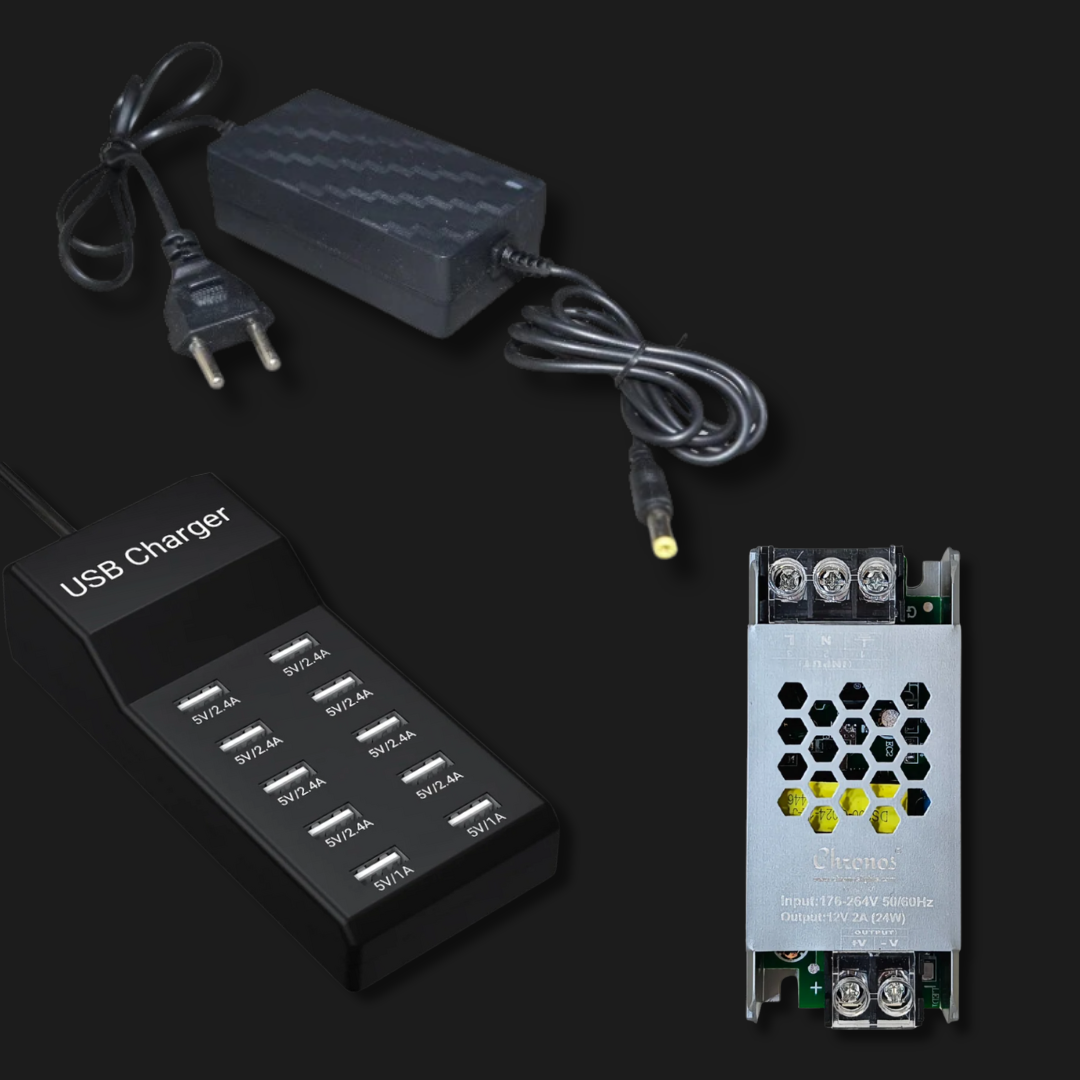
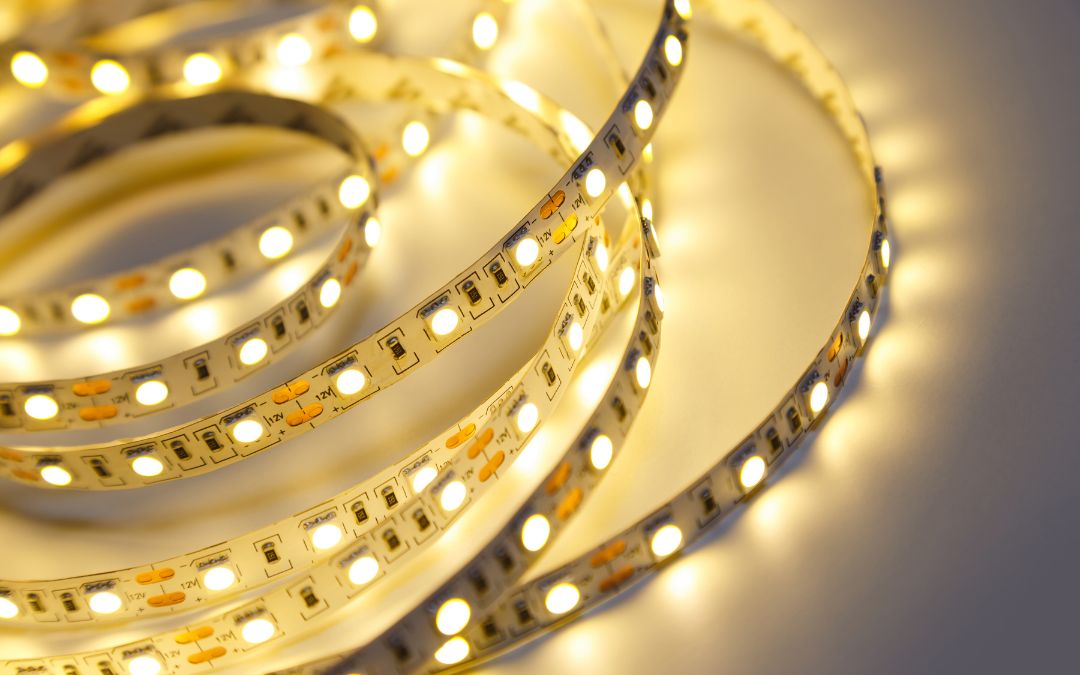
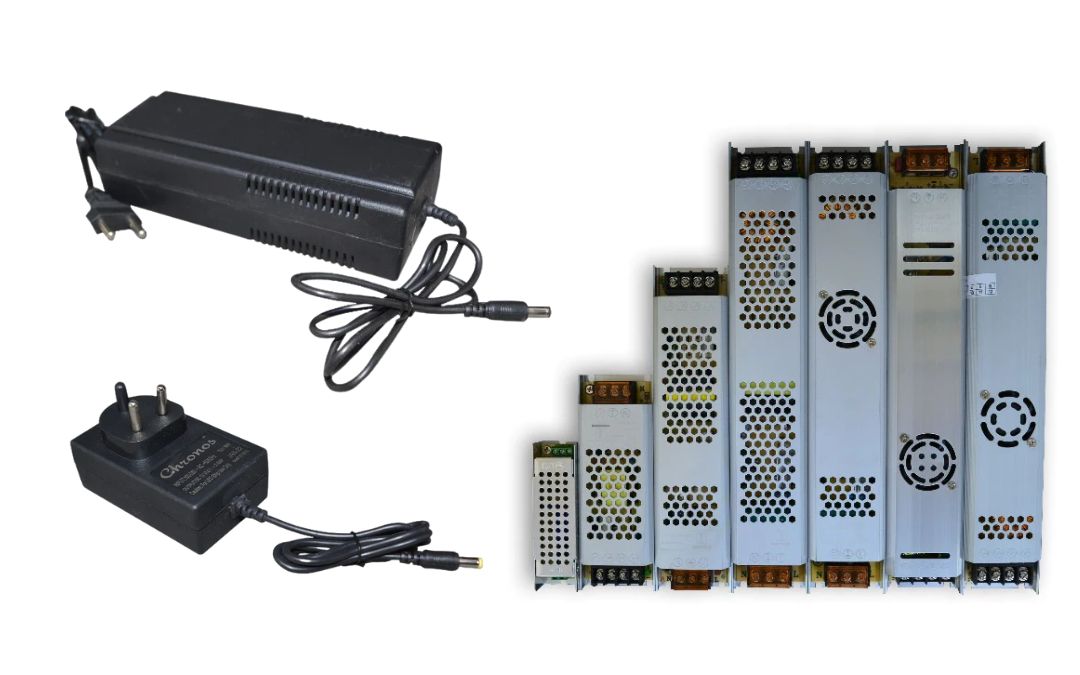
That said, the fire risk with LED products isn't zero — it just comes from a different source. The danger rarely comes from the LED chip itself, but from poor-quality components: cheap, uncertified strips or drivers that can overheat, short-circuit, or fail under normal use. This is exactly why certification matters more than the LED technology itself (see below).
## Eye Safety: Blue Light and Flicker
This is the most common LED safety question, and it's worth being direct about it: under normal home use, LED lighting is not harmful to your eyes. LEDs do emit more blue light than older bulb types, and prolonged screen or bright-light exposure can contribute to digital eye strain — tired eyes, mild headaches, difficulty focusing after a long stretch. But the amount of blue light from standard home LED lighting is well below the level associated with any lasting eye damage. Temporary discomfort from overuse or glare, yes. Permanent harm, no.
Two practical things do make a real difference in comfort:
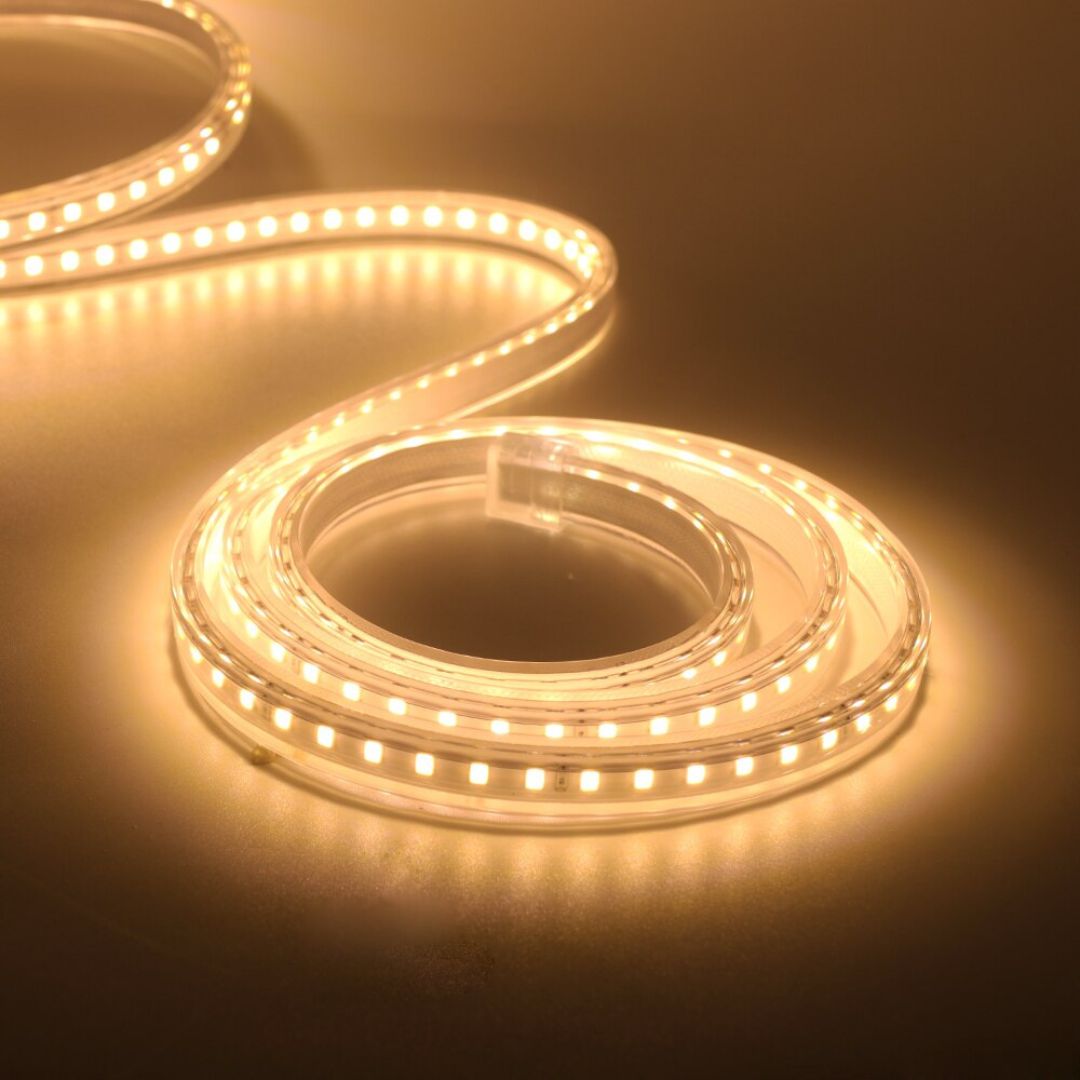
- **Color temperature** — warmer light (around 2700K) is softer and generally more comfortable for evening use than cool white, which can feel harsher over long exposure.
- **Flicker** — poor-quality drivers can produce a flicker that's invisible to the naked eye but can still contribute to headaches or eye strain over time. This is another area where fixture quality, not LED technology itself, is the real variable.
## Certifications to Look For
In India, **BIS (Bureau of Indian Standards) certification is mandatory** for LED lighting products sold in the country under the Compulsory Registration Scheme. BIS testing covers electrical safety, heat resistance, insulation, and overall reliability — it exists specifically to catch the kind of substandard components that cause the fire and shock risks described above. When buying LED lighting, particularly strips, drivers, and decorative fixtures from unfamiliar sellers, a valid BIS mark is the single most useful thing to check.
Beyond BIS, other markings worth knowing:
- **CE** — indicates compliance with relevant EU safety and performance standards, commonly seen on imported components
- **RoHS** — confirms the product is free of certain hazardous substances (lead, mercury, and similar) in its construction
## Kid & Pet Safety in Decorative Lighting
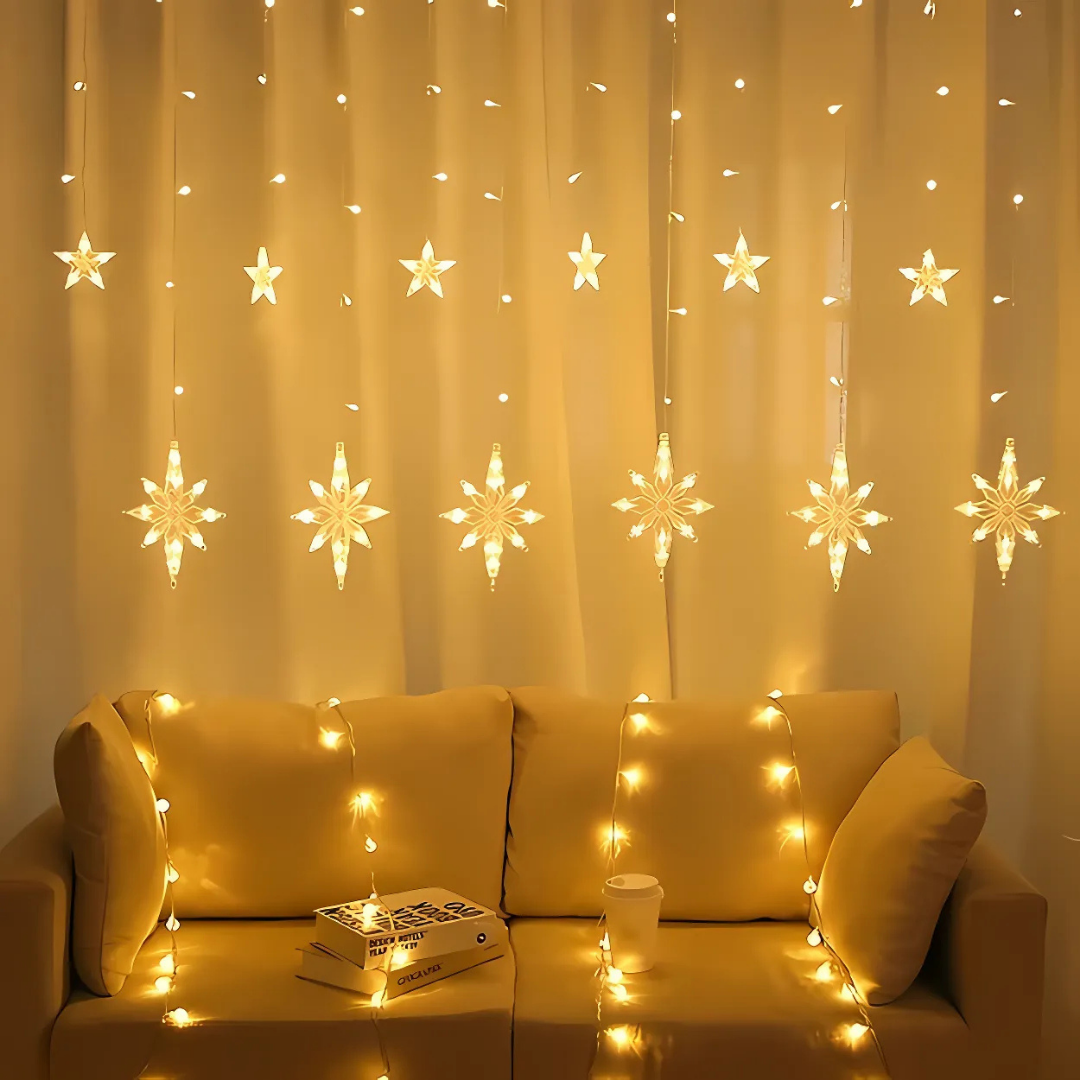
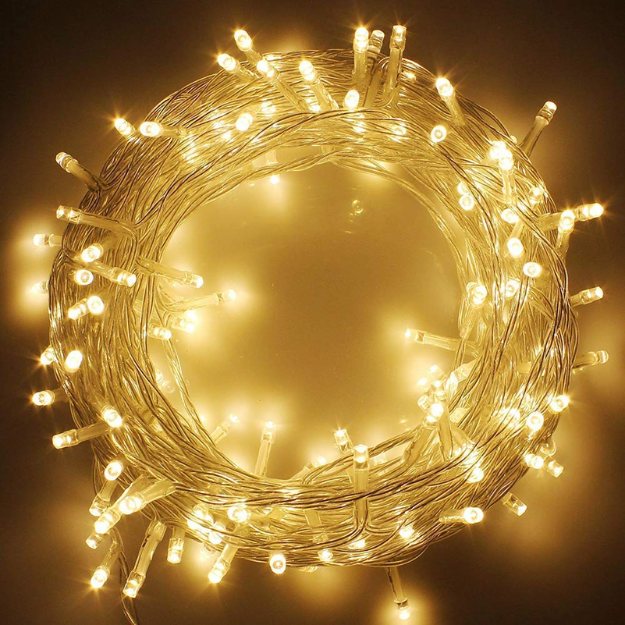
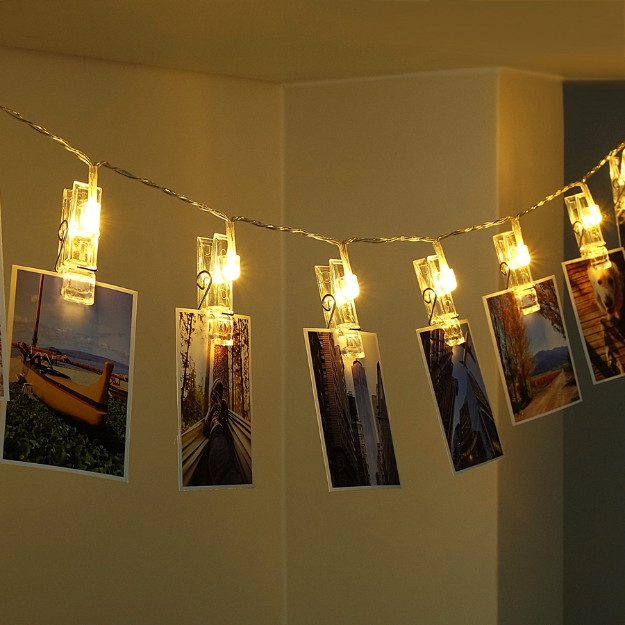
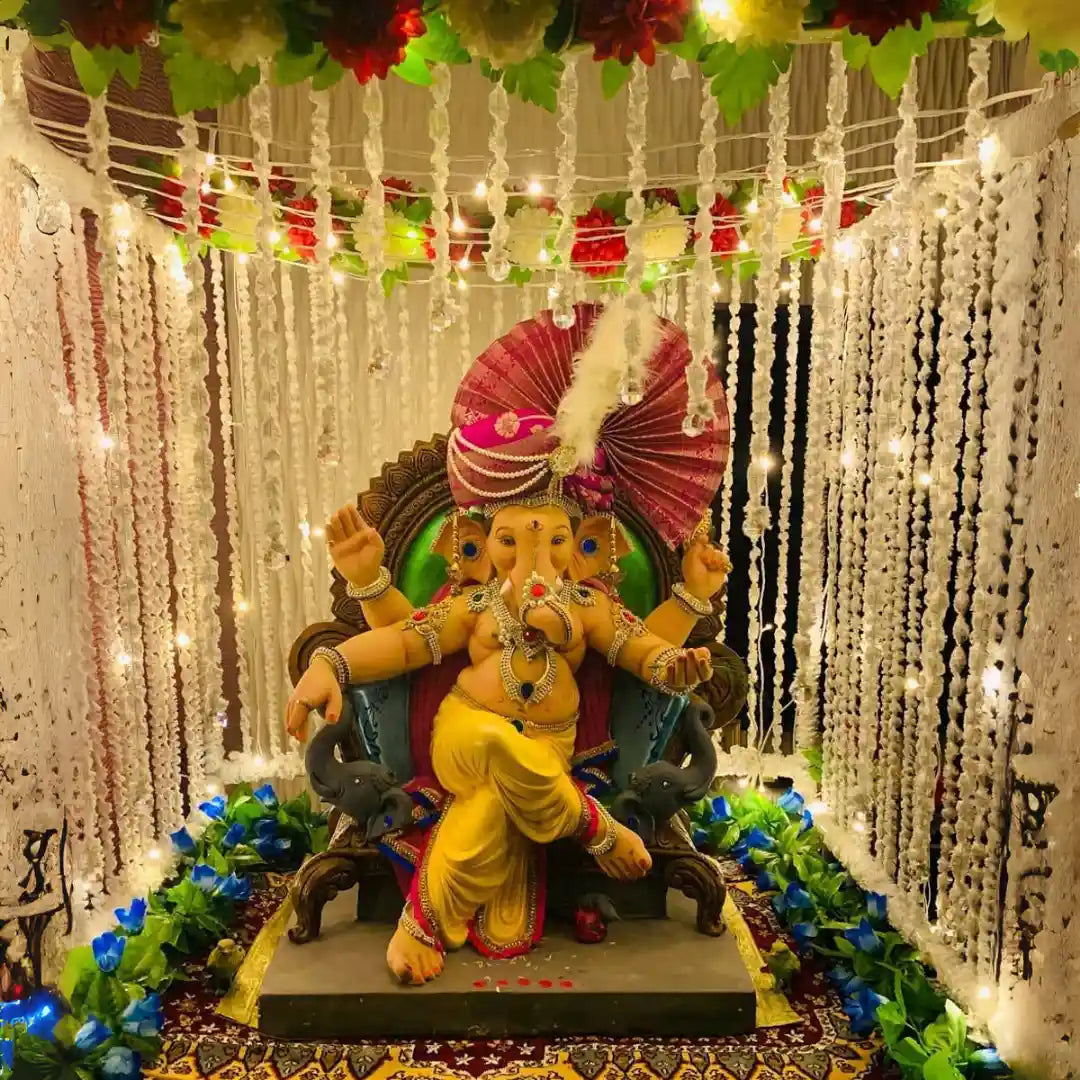
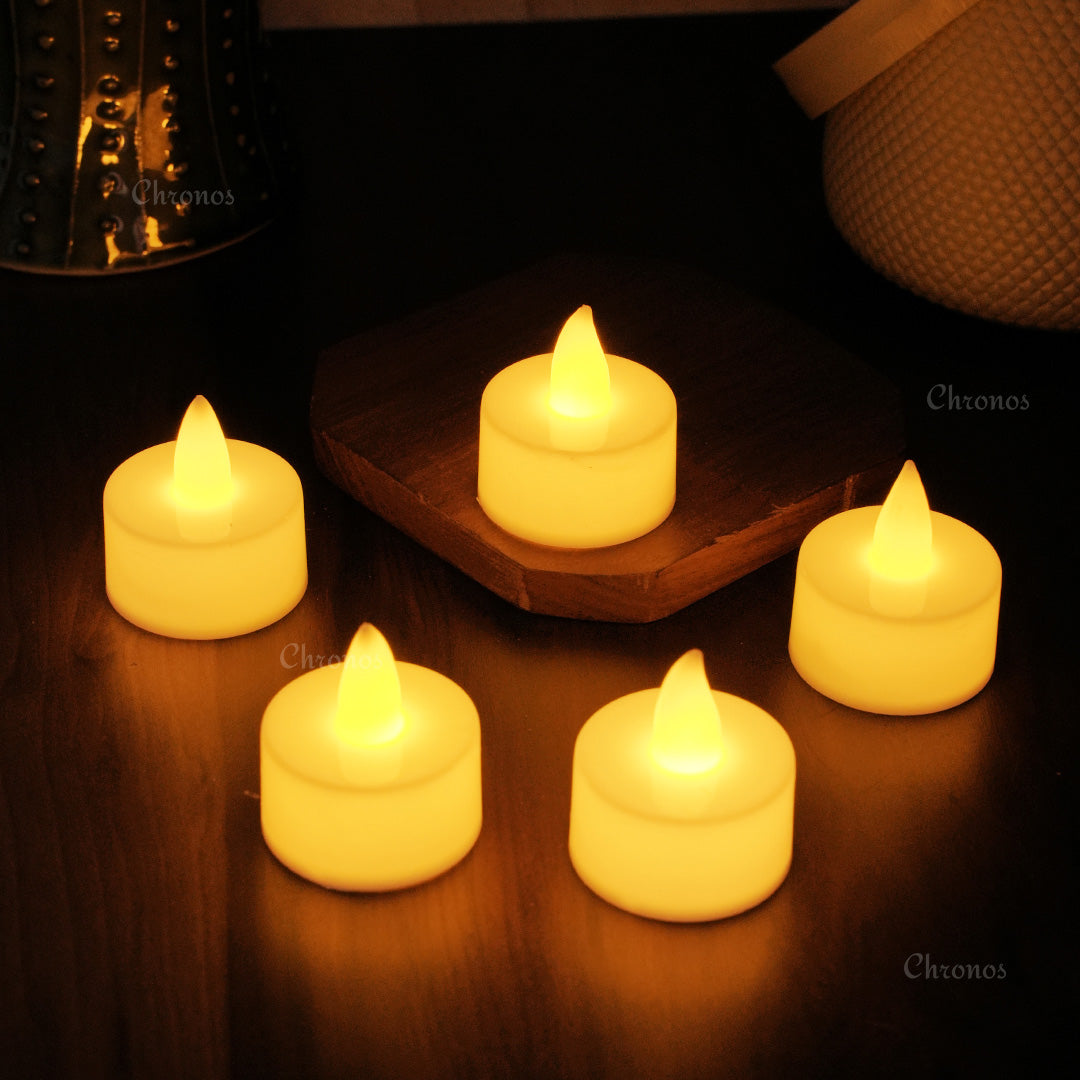
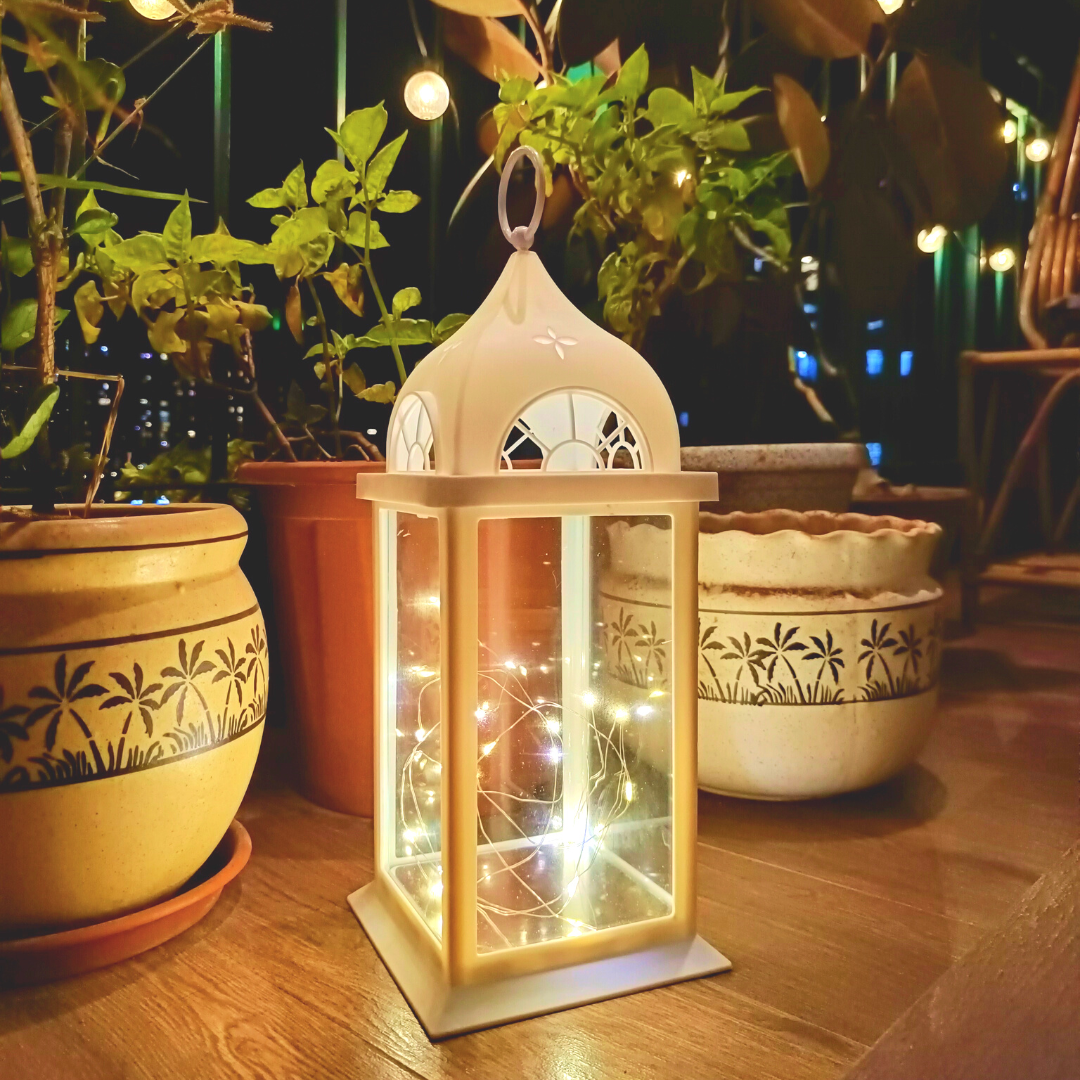
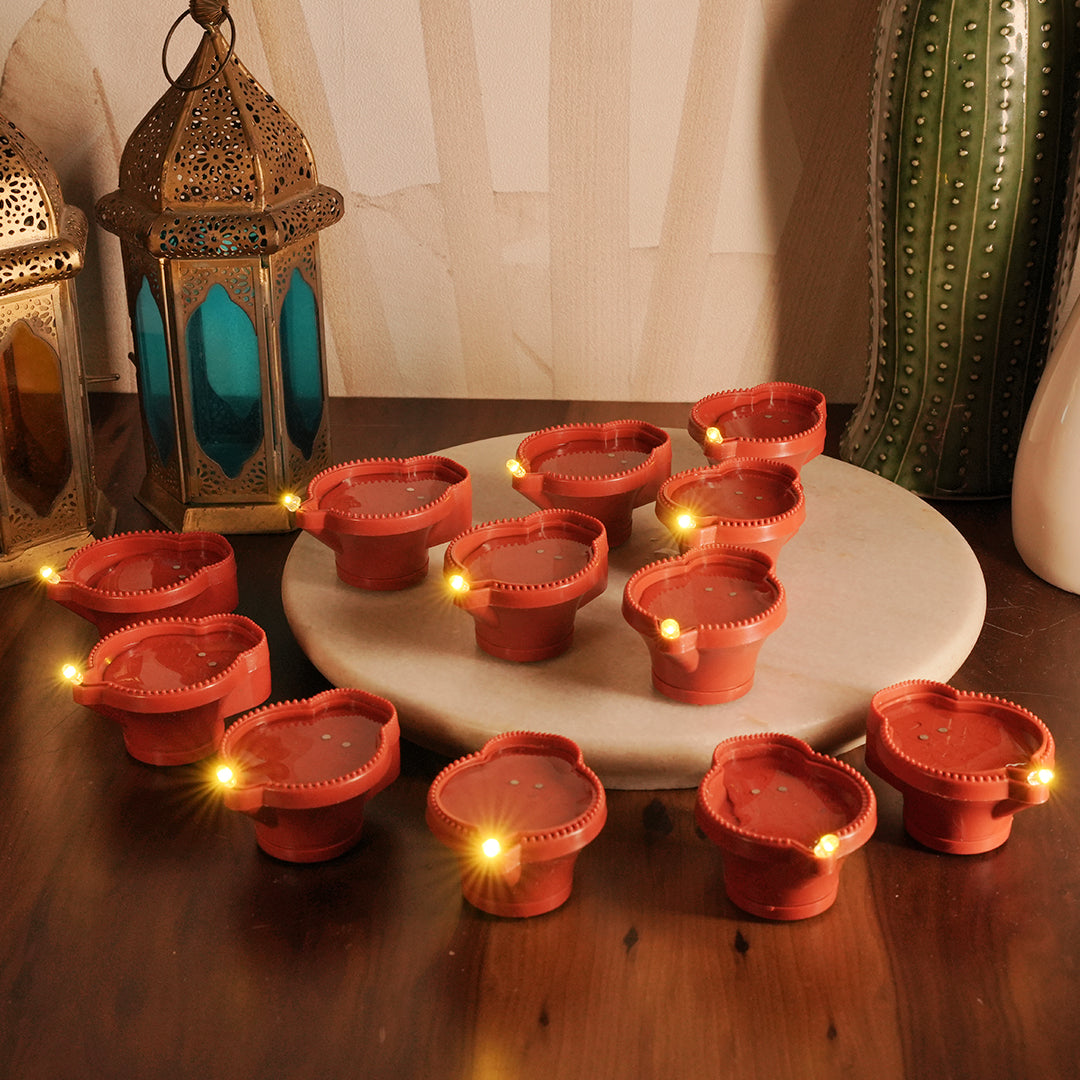
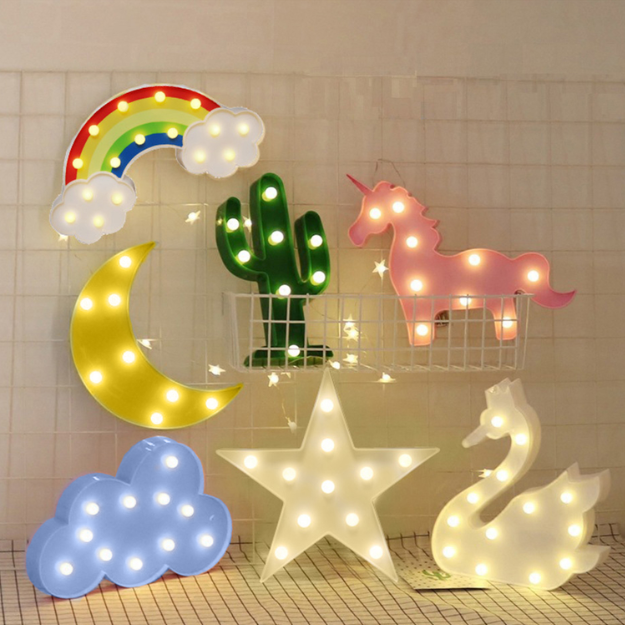
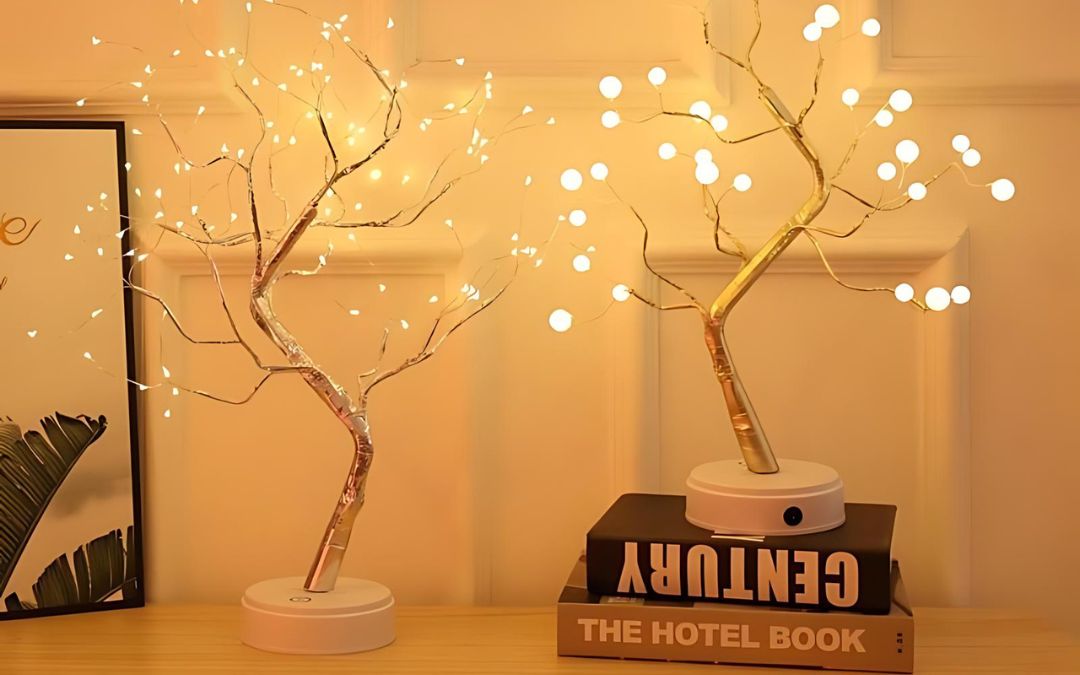
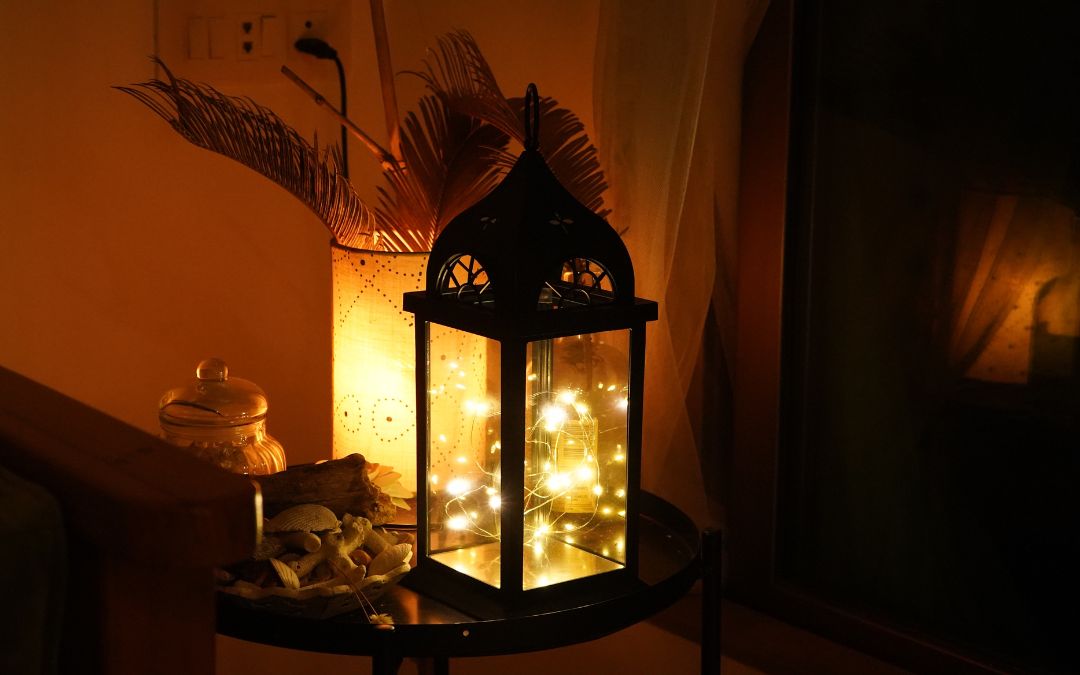
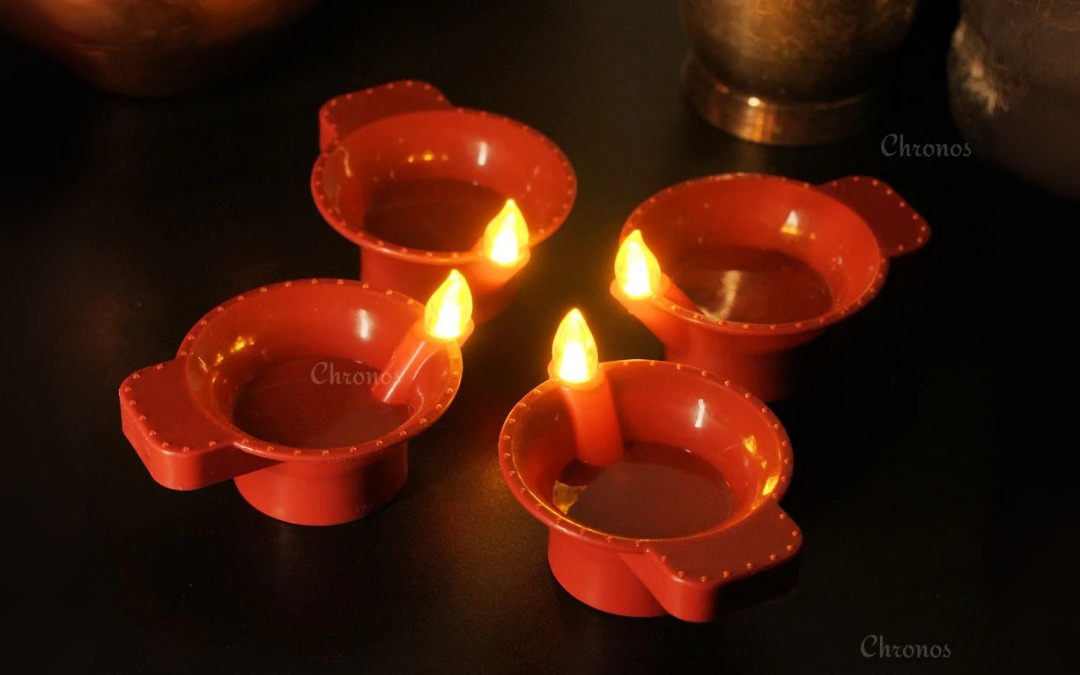
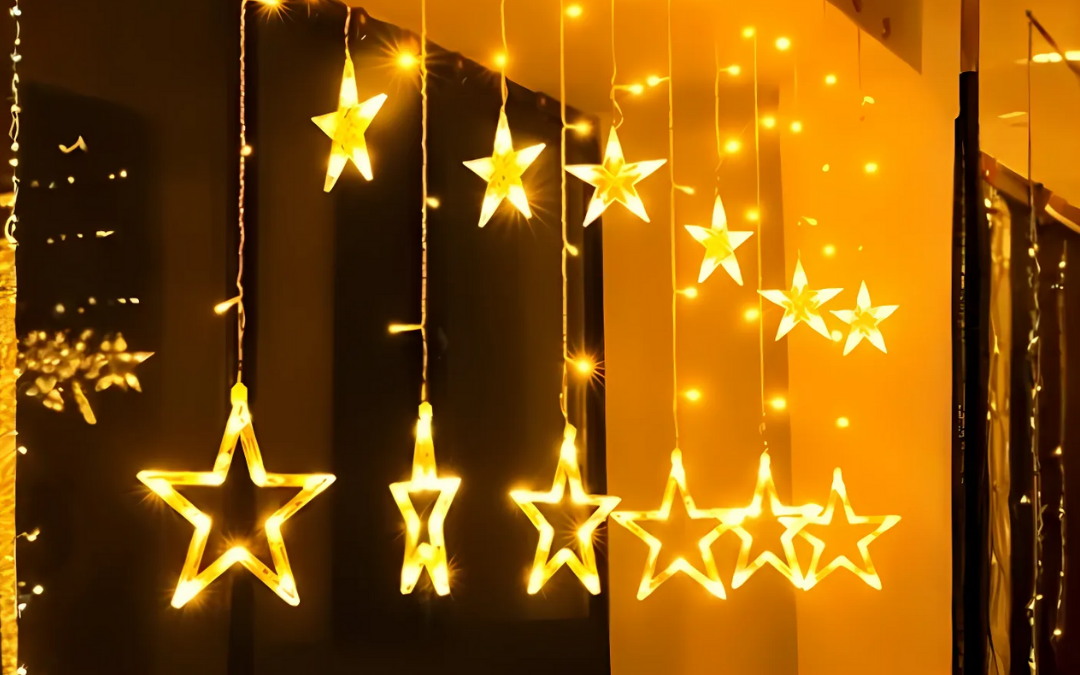
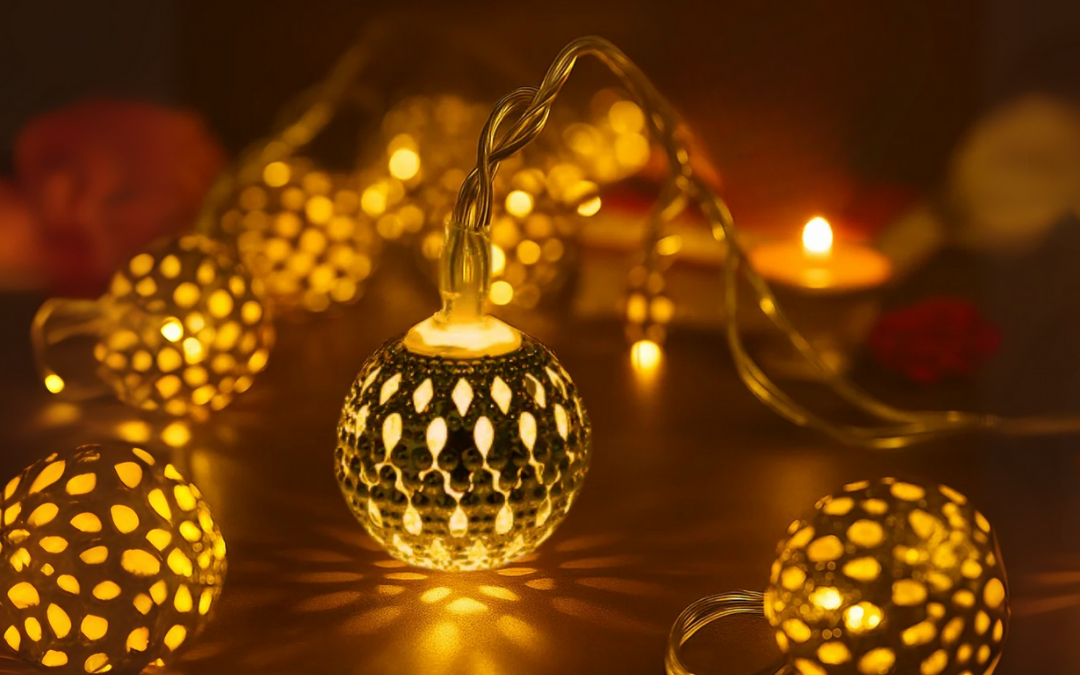
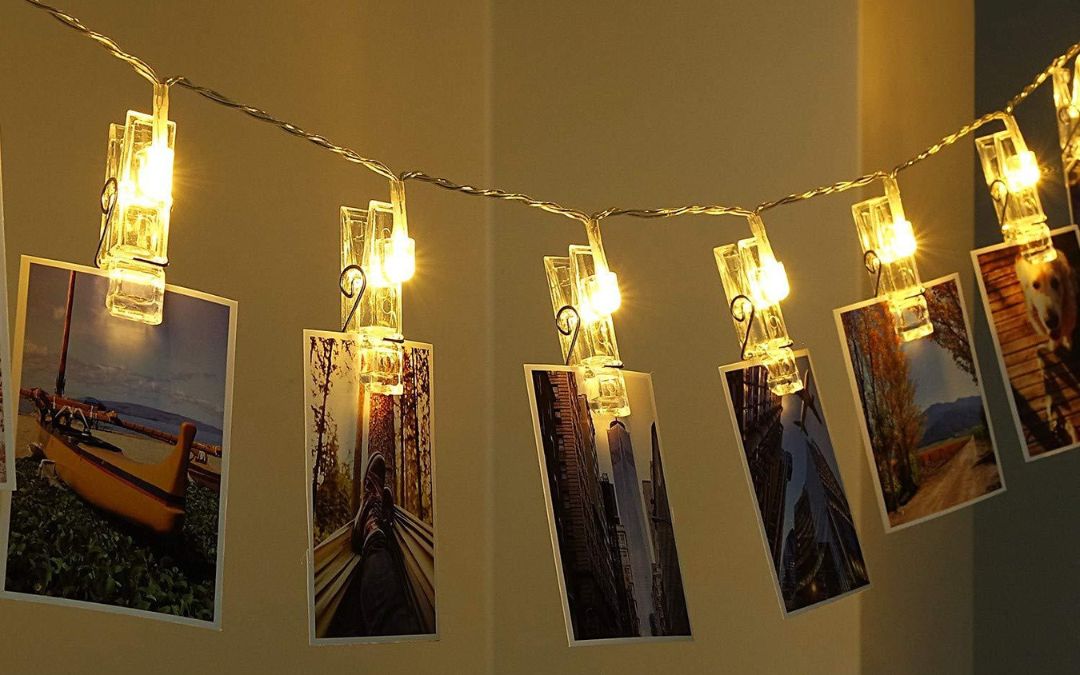
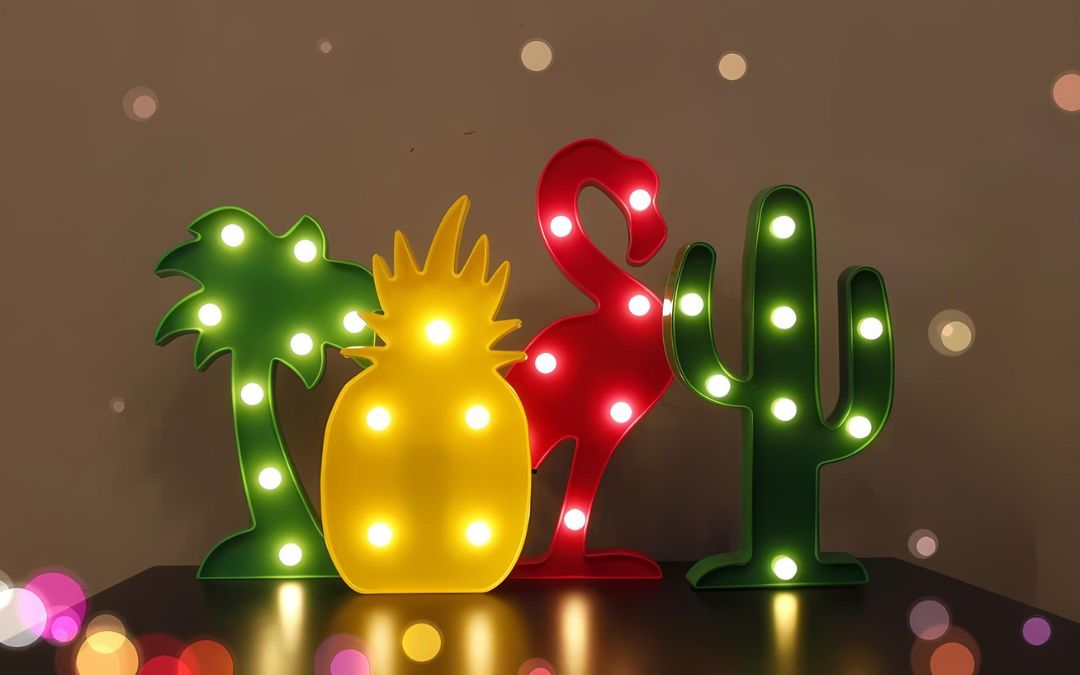
Decorative and festive lighting (fairy lights, string lights, LED diyas) tends to sit lower to the ground and stay accessible to curious hands and paws in a way permanent fixtures don't, so a few practical habits matter more here than the LED technology itself:
- Keep cords and connectors tucked away or secured, rather than trailing across walking paths or furniture edges pets can chew
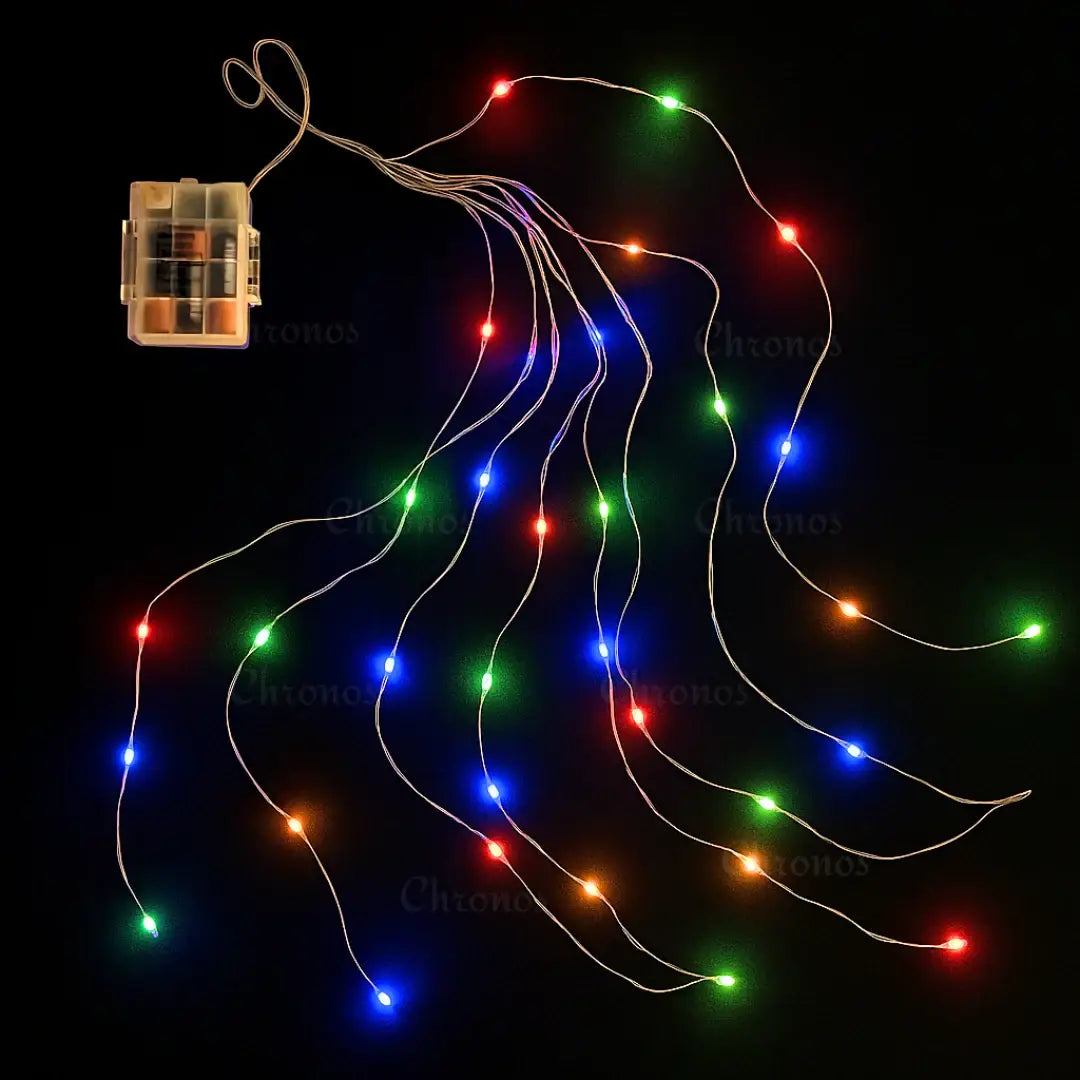
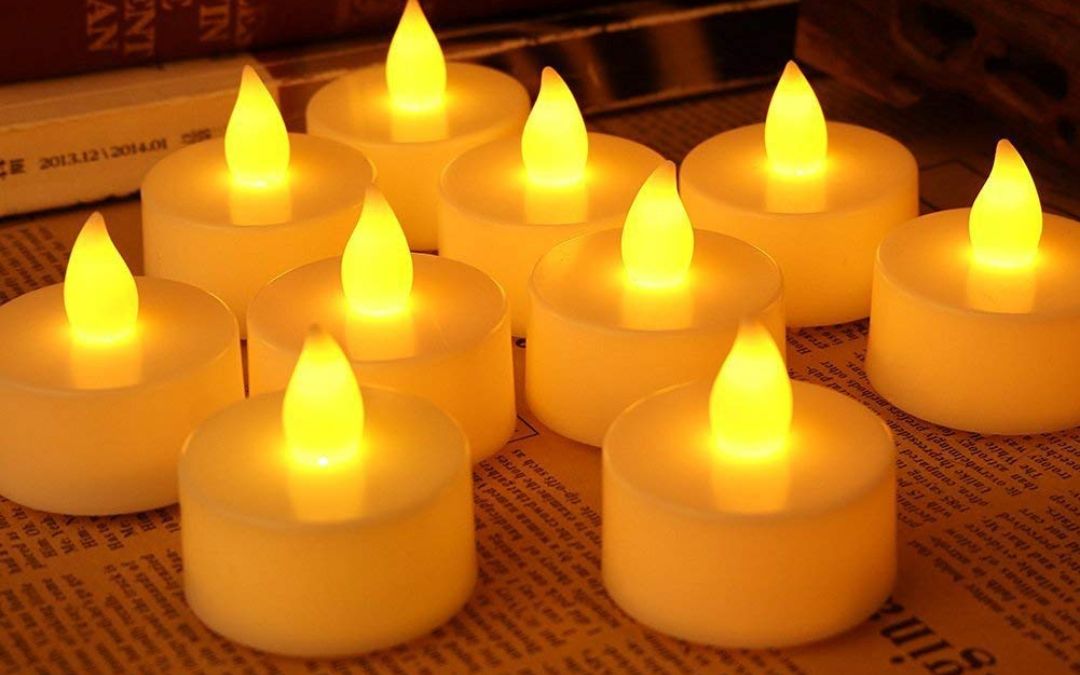
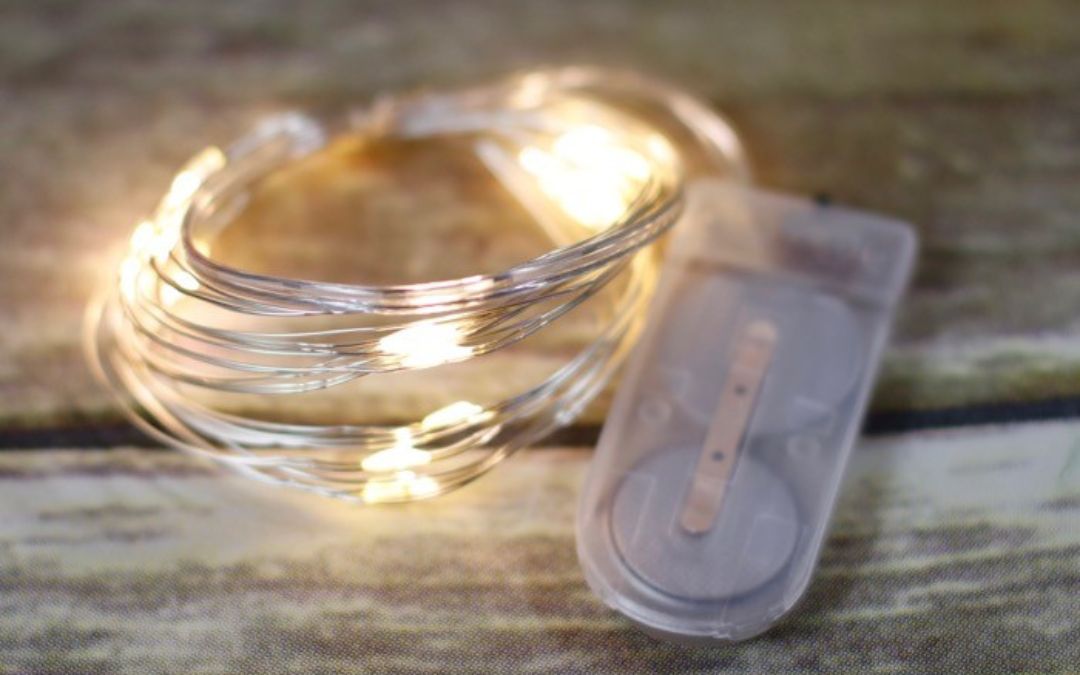
- Prefer low-voltage, battery-operated, or properly insulated options for anything placed within reach of small children or pets
- Avoid leaving decorative lighting running unattended for extended periods, particularly around dry decorations like paper lanterns or fabric
- Check for BIS or equivalent certification even on inexpensive seasonal or festival lighting — this is exactly the category where uncertified, low-cost products are most common
## Quick Safety Checklist
- ✅ Look for BIS certification (mandatory in India) before buying
- ✅ Choose warmer color temperatures (2700K) for spaces used in the evening
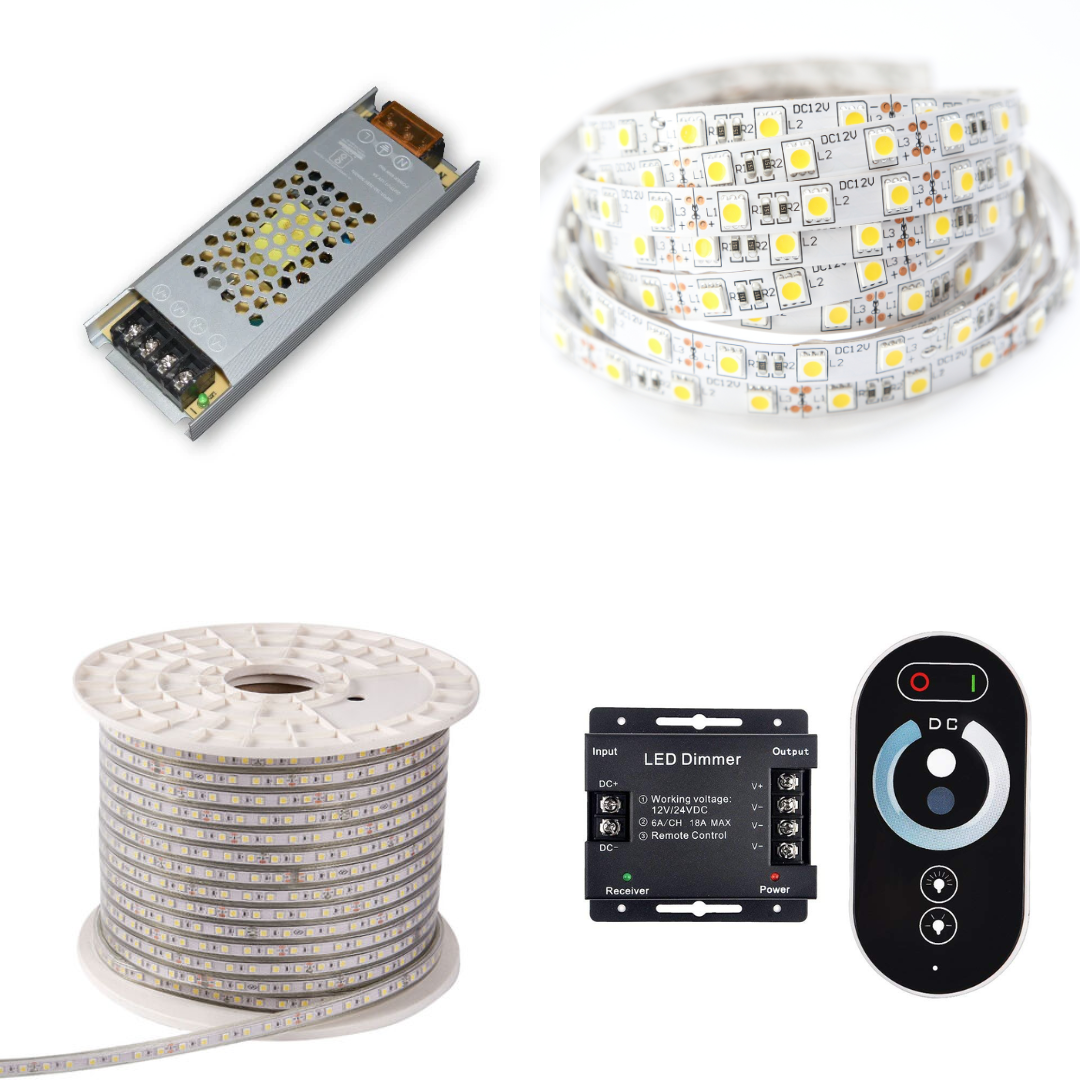
- ✅ Avoid unusually cheap, unbranded strips or drivers, especially for longer installations
- ✅ Keep cords secured and out of reach of pets and small children
- ✅ Don't leave decorative lighting running unattended for long stretches near flammable materials
---
The short version: LED lighting is one of the safer choices available today, and the small risks that do exist come down almost entirely to fixture quality and sensible use — not the technology itself. Choosing certified products and following basic precautions covers nearly everything that matters.