









































Rechargeable vs Plug-in Lamps: Which One Should You Choose?
Which is better: rechargeable or plug-in lamps?
Rechargeable lamps are better for portability and power cuts, while plug-in lamps are ideal for continuous, long-term use. The right choice depends on your usage, room setup, and convenience needs.
What Are Rechargeable Lamps?
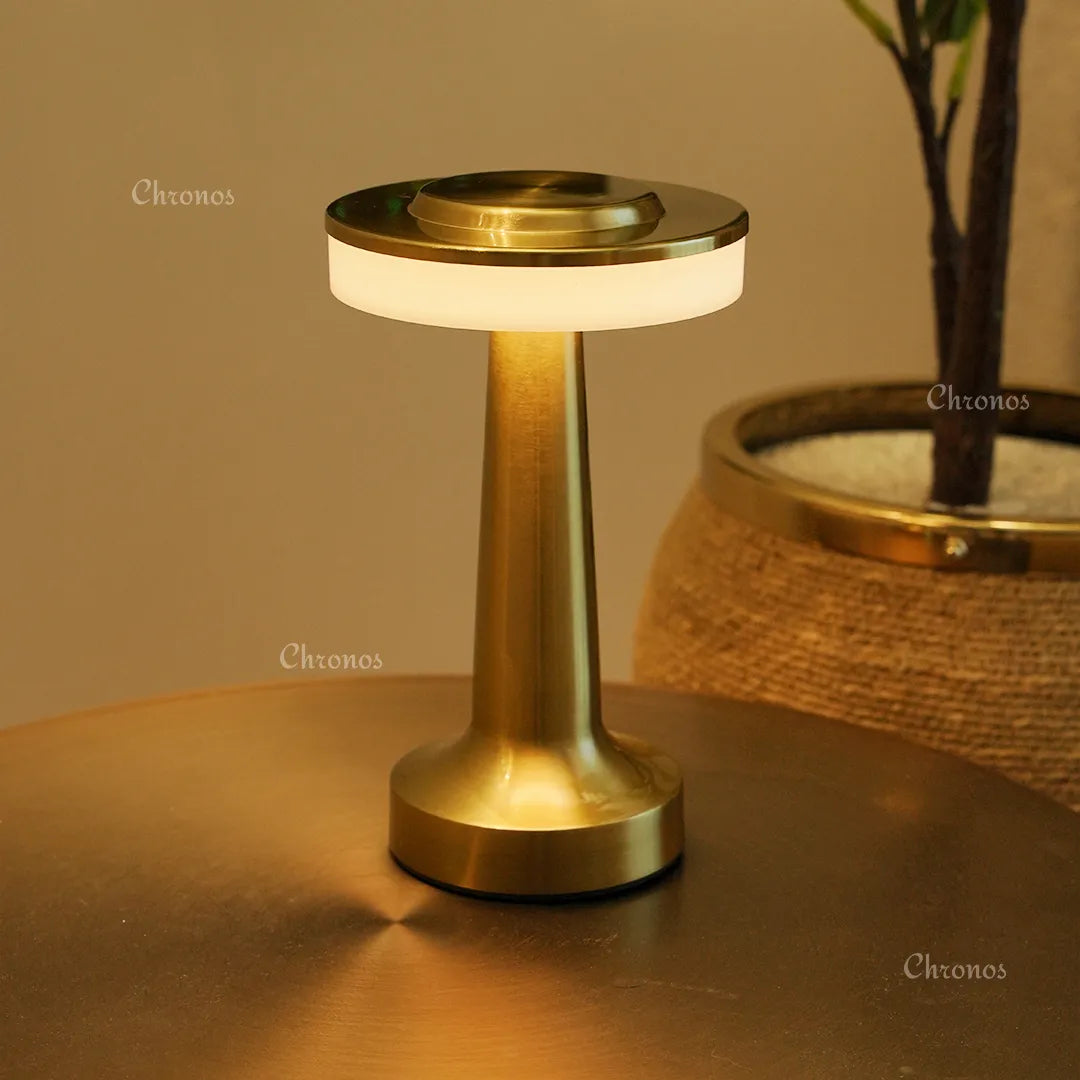
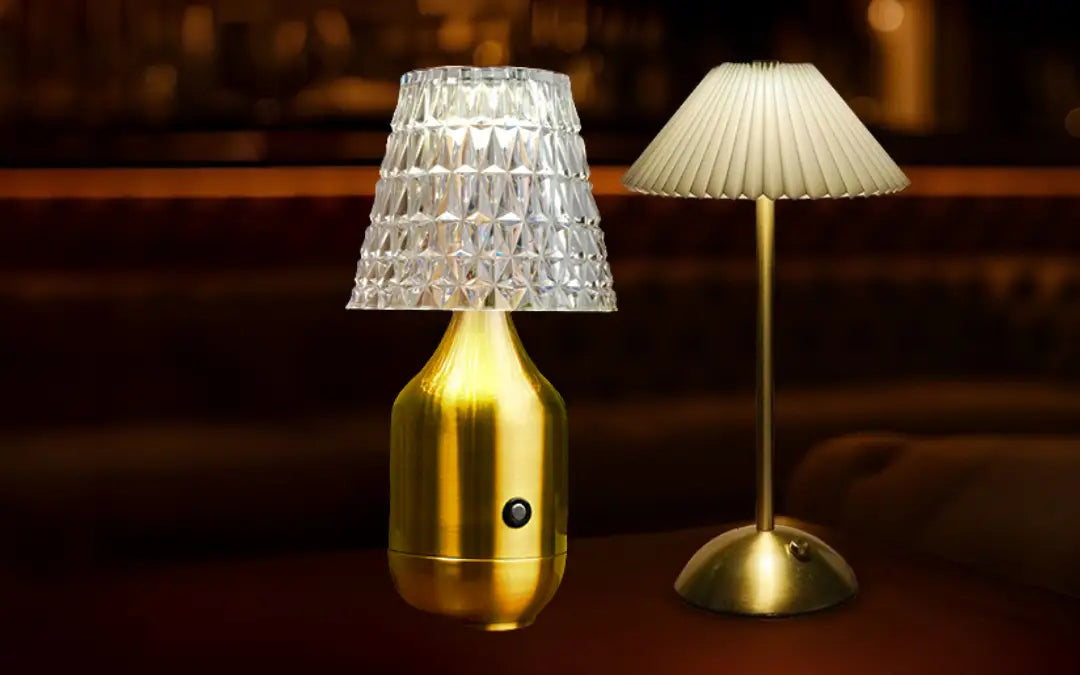
Rechargeable lamps are battery-powered lights that can be charged and used without being connected to a power source. They are highly portable and ideal for modern homes.
- No wiring required
- Easy to carry and move
- Works during power cuts
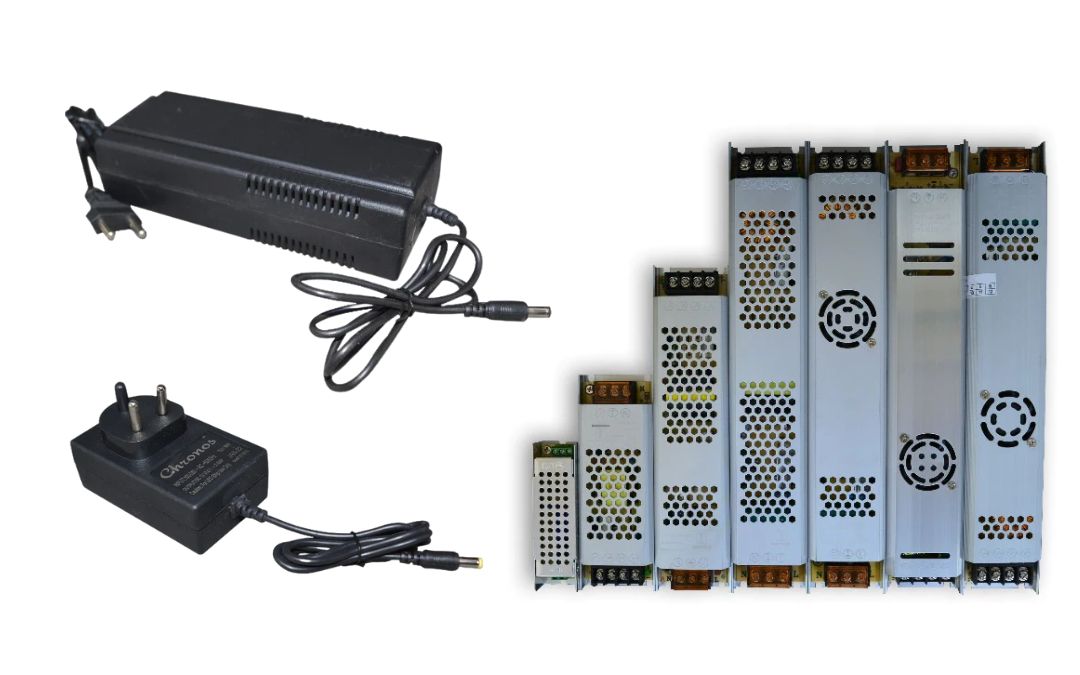
- USB or adapter charging
What Are Plug-in Lamps?
Plug-in lamps require a direct connection to an electrical socket. They provide uninterrupted lighting and are commonly used in bedrooms, living rooms, and study areas.
- Continuous power supply
- Brighter and more stable lighting
- No need to recharge
- Ideal for long usage hours
Rechargeable vs Plug-in Lamps (Comparison)
1. Portability
- Rechargeable: Highly portable
- Plug-in: Fixed position
2. Power Source
- Rechargeable: Battery operated
- Plug-in: Direct electricity
3. Usage During Power Cuts
- Rechargeable: Works perfectly
- Plug-in: Stops working
4. Brightness
- Rechargeable: Moderate brightness
- Plug-in: Higher brightness
5. Convenience
- Rechargeable: Flexible usage
- Plug-in: No charging needed
When Should You Choose a Rechargeable Lamp?
Best Use Cases
- Frequent power cuts
- Balcony, outdoor, or travel use
- Minimal wiring setup
- Portable lighting needs
When Should You Choose a Plug-in Lamp?
Best Use Cases
- Study and work desks
- Long hours of usage
- Consistent brightness requirement
- Permanent room setup
Pros and Cons
Rechargeable Lamps
- Pros: Portable, flexible, power backup
- Cons: Needs charging, limited runtime
Plug-in Lamps
- Pros: Continuous power, brighter
- Cons: Not portable, needs socket
How to Choose the Right Lamp for Your Needs
1. Check Usage
- Occasional use → Rechargeable
- Daily long use → Plug-in
2. Consider Location
- No nearby socket → Rechargeable
- Fixed setup → Plug-in
3. Think About Convenience
- Want flexibility → Rechargeable
- Want hassle-free use → Plug-in
Key Features to Look For
- LED technology for energy efficiency
- Touch or dimming control
- Battery backup (for rechargeable)
- Build quality and design
Common Mistakes to Avoid
- Choosing rechargeable for long work hours
- Buying plug-in lamps for outdoor use
- Ignoring battery capacity
- Not checking brightness levels
Pro Tips for Smart Buying
- Keep one rechargeable lamp for emergencies
- Use plug-in lamps for study and work
- Choose LED lamps for better efficiency
Frequently Asked Questions
1. Are rechargeable lamps better than plug-in lamps?
Both have different uses—rechargeable for portability, plug-in for continuous use.
2. How long do rechargeable lamps last?
Typically 3–8 hours depending on battery capacity and brightness.
3. Are plug-in lamps brighter?
Yes, they usually provide stronger and consistent brightness.
4. Can I use rechargeable lamps daily?
Yes, but frequent charging may be required.
5. Which lamp is best for power cuts?
Rechargeable lamps are the best option.
Shop the Best Lamps for Your Home
Find the perfect lighting solution for every need: