









































Lamp Buying Guide: Brightness, Color Temperature & Features Explained
How do you choose the right lamp brightness and color temperature?
Choose lamp brightness based on usage—low for relaxation, medium for general use, and high for work or study. Select warm white (2700K–3000K) for cozy spaces and cool white (4000K–6500K) for focus and productivity.
Quick Tip: For the best results, combine the right brightness with the correct color temperature based on your room’s purpose.
Understanding Lamp Brightness (Lumens)
Brightness in lamps is measured in lumens, not watts. Higher lumens mean brighter light.
Brightness Guide
- 200–400 lumens → Soft lighting (bedroom)
- 400–800 lumens → General use (living room)
- 800–1600 lumens → Study/work lighting
Did You Know? Watts measure energy consumption, while lumens measure brightness.
What is Color Temperature?
Color temperature determines how warm or cool the light appears and is measured in Kelvin (K).
Color Temperature Guide
- 2700K–3000K → Warm white (cozy and relaxing)
- 3500K–4000K → Neutral white (balanced lighting)
- 5000K–6500K → Cool white (bright and focused)
Choosing the Right Light for Each Room
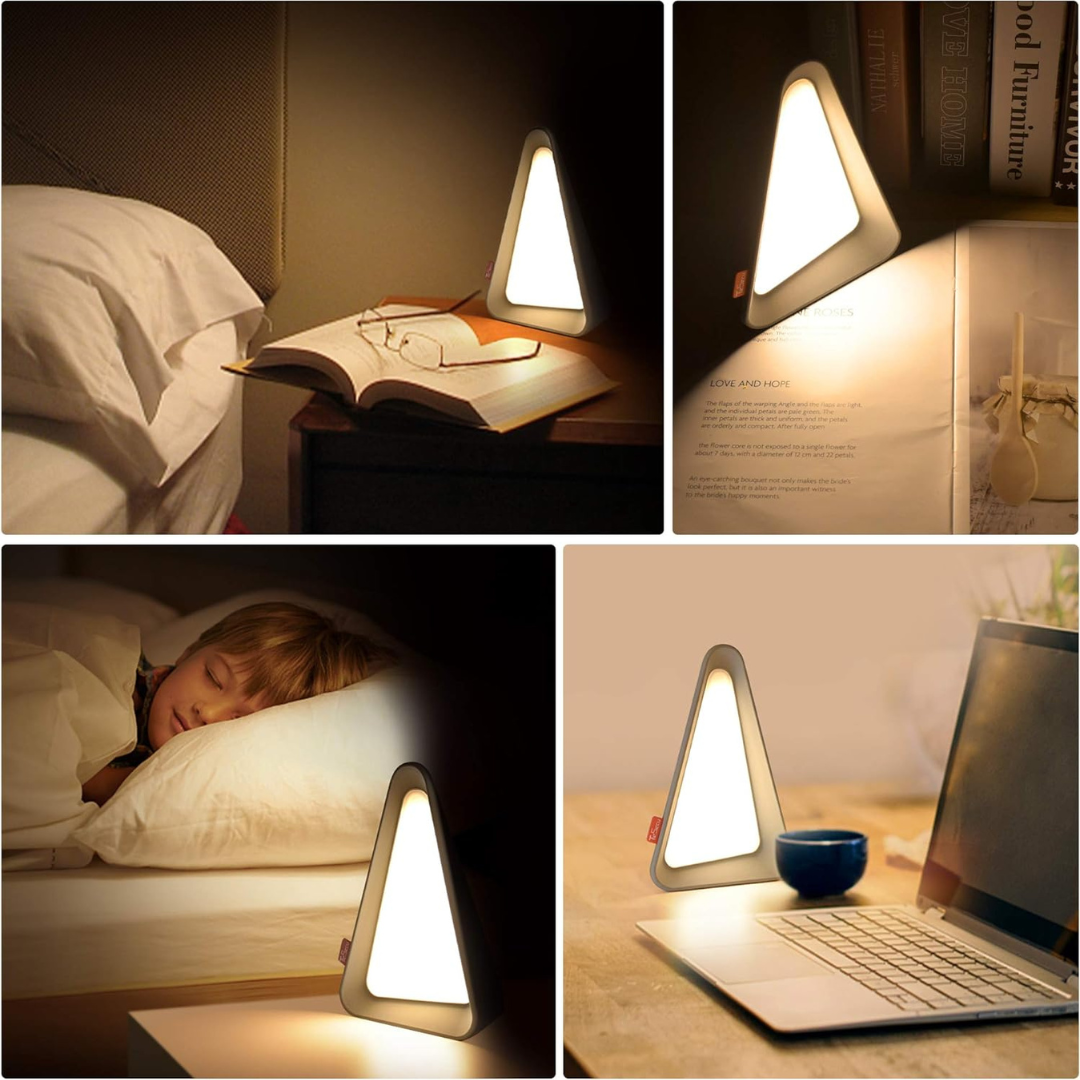
Bedroom
- Low brightness
- Warm white light
Living Room
- Medium brightness
- Warm or neutral light
Study/Work Area
- High brightness
- Cool white light
Balcony/Outdoor
- Medium brightness
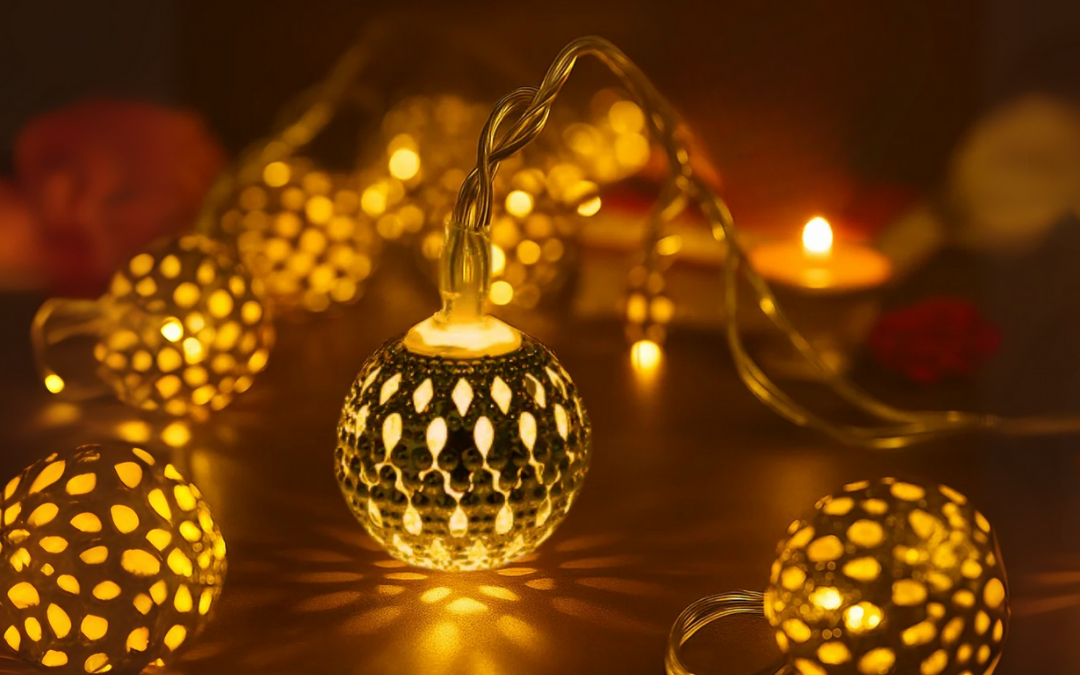
- Warm decorative lighting
Important Lamp Features to Consider
1. LED Technology
- Energy-efficient
- Long-lasting
2. Dimmable Brightness
- Adjust light as per need
3. Touch Control
- Easy operation
- Modern functionality
4. Adjustable Design
- Flexible angle and direction
5. Rechargeable Option
- Portable and useful during power cuts
How to Choose the Perfect Lamp
1. Identify Purpose
- Decor, task, or ambient lighting
2. Match Brightness
- Choose based on room usage
3. Select Color Temperature
- Warm vs cool depending on mood
4. Check Features
- Dimming, portability, controls
5. Consider Design
- Match with home décor
Common Mistakes to Avoid
- Confusing watts with brightness
- Using cool light in bedrooms
- Choosing very dim lamps for study
- Ignoring adjustable features
Pro Tips for Smart Buying
- Use layered lighting for best results
- Prefer LED lamps for efficiency
- Choose dimmable lamps for flexibility
- Always match light with room purpose
Frequently Asked Questions
1. What is the ideal brightness for home lamps?
It depends on the room—low for bedroom, high for study.
2. Which color temperature is best for home?
Warm white is best for most home areas.
3. Are lumens more important than watts?
Yes, lumens measure brightness while watts measure energy use.
4. Can I use cool white light in bedroom?
It’s not recommended as it may affect relaxation.
5. Are dimmable lamps worth it?
Yes, they provide flexibility and better control.
Find the Perfect Lamp for Every Room
Upgrade your lighting with the right brightness and features: