





















The Science of Light Diffusion — How Silicone LED Profiles Create Perfect Illumination
💡 Introduction
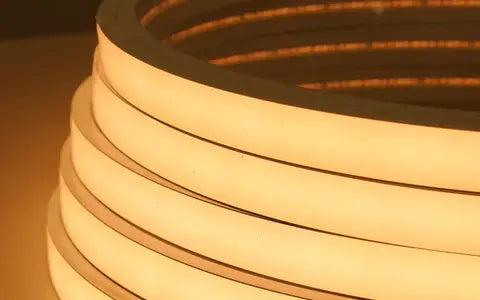
Have you ever noticed how some LED lights look harsh and dotted, while others glow softly with a continuous, seamless effect?
The secret lies not in the LED itself — but in the diffuser material that shapes and spreads its light.
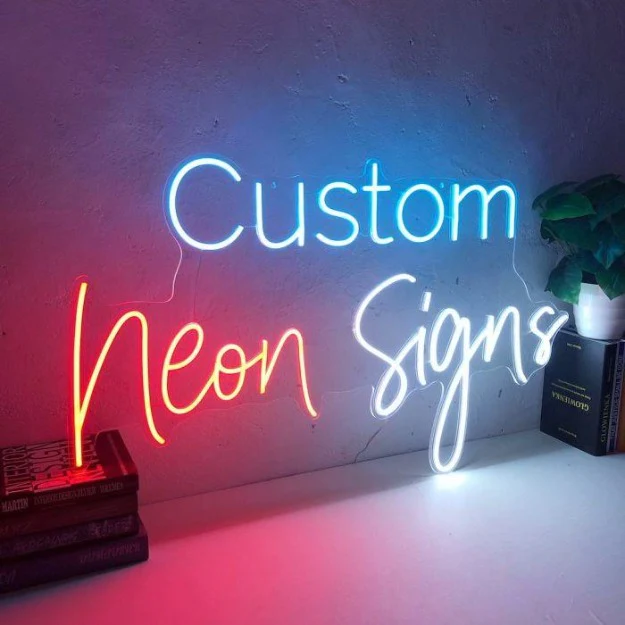
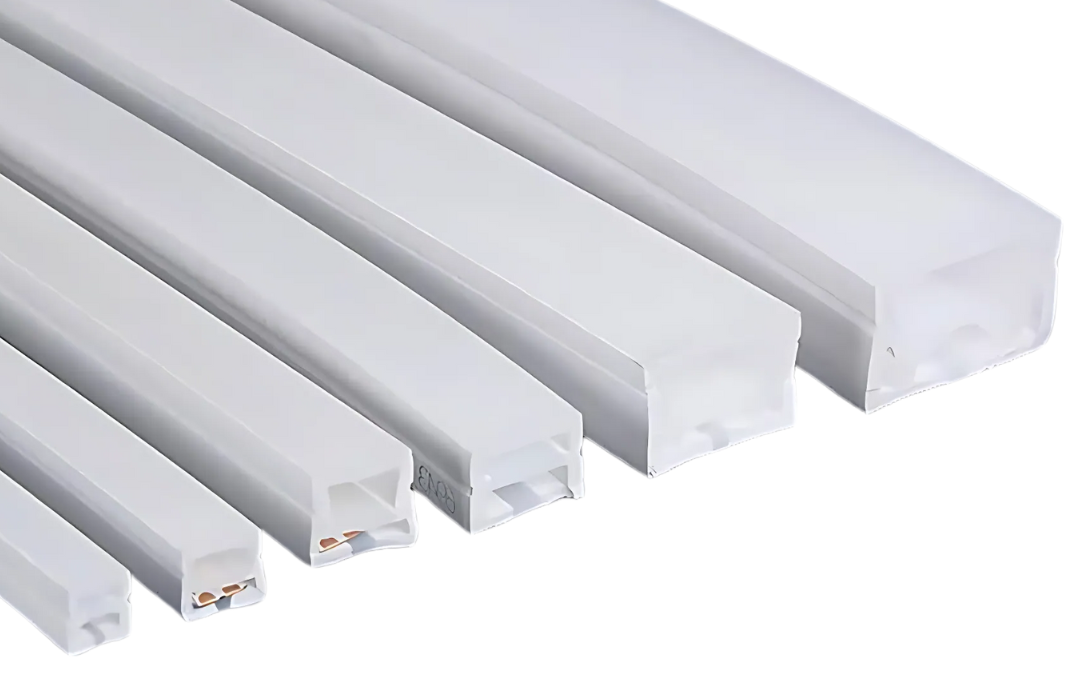
Enter the Flexible Silicone LED Profile, the modern diffuser that’s redefining lighting uniformity. Beyond aesthetics, the science behind silicone diffusion determines brightness, beam spread, and color quality — making it a favorite among architects, lighting designers, and creators.
In this article, we’ll explore the physics of light diffusion, why silicone profiles outperform traditional diffusers, and how to choose the right profile for your project.
🔬 What Is Light Diffusion?
Light diffusion is the process of scattering light rays to create a smooth and even glow.
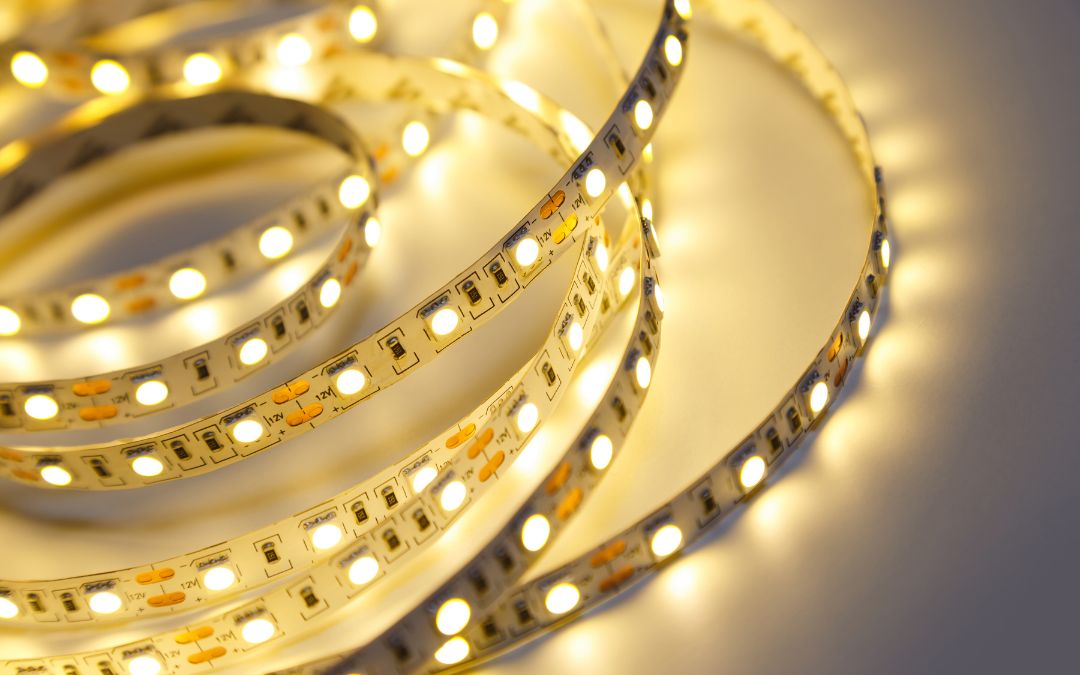
Without diffusion, individual LED diodes are visible, producing a “dotted” effect that feels harsh to the eyes.
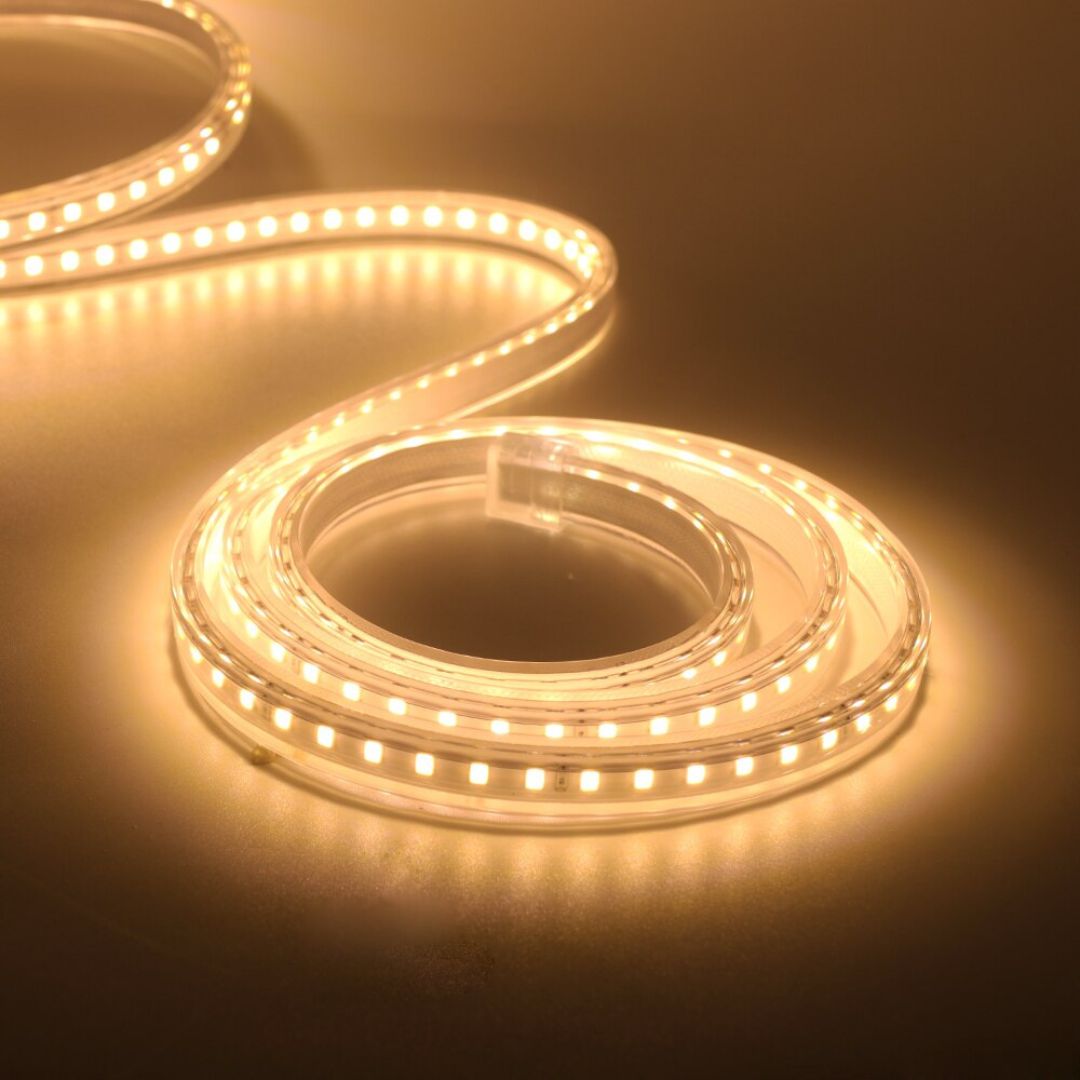
A diffuser material — like silicone — bends, refracts, and blends these light rays to eliminate hot spots, creating a continuous line of light.
In simple terms:
Diffusion = Controlled Scattering + Uniform Distribution.
🧠 The Science Behind Silicone Diffusion
Silicone has unique optical and molecular properties that make it an ideal medium for LED diffusion:
|
Property |
Effect on Light |
Result |
|
High Light Transmission (≈94–96%) |
Allows most light to pass through |
Brighter output with minimal loss |
|
Refractive Index (~1.41) |
Slightly bends light rays |
Creates a soft, blended glow |
|
Elasticity & Flexibility |
Maintains uniform thickness even when bent |
Consistent lighting around curves |
|
Thermal Stability |
Withstands high temperatures |
Prevents yellowing or deformation |
|
UV Resistance |
Resists sunlight degradation |
Long-term clarity outdoors |
These factors allow silicone LED profiles to produce natural, continuous illumination — the “neon glow” effect designers love.
🌈 Light Diffusion Comparison: Silicone vs. Acrylic vs. Aluminum
|
Material |
Light Diffusion Quality |
Flexibility |
Durability |
Waterproofing |
|
Silicone |
⭐⭐⭐⭐ Smooth, uniform glow |
Flexible |
Excellent |
IP67–IP68 |
|
Acrylic (PMMA) |
⭐⭐ Moderate, visible dots |
Rigid |
Fragile |
Not waterproof |
|
Aluminum + Cover |
⭐ Partial, requires cover lens |
Rigid |
High |
Dependent on cover |
Silicone profiles outperform others by combining optical clarity, flexibility, and environmental resistance — a rare mix in the lighting industry.
💫 How Silicone Diffusers Eliminate LED Hotspots
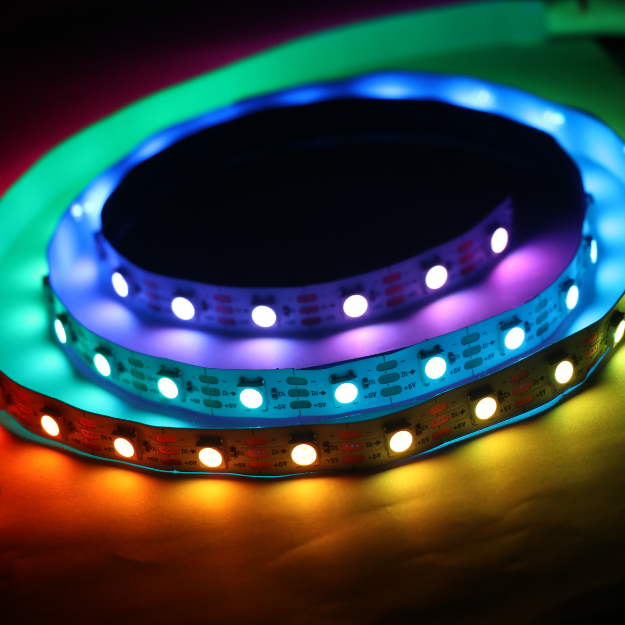
LED diodes emit concentrated beams of light. When installed without a diffuser, the light appears uneven or pixelated.
Inside a silicone channel:
-
The internal texture of the silicone material scatters the rays.
-
Each light ray bounces and overlaps, merging into a continuous beam.
-
The result: Uniform brightness with soft edges and no visible dots.
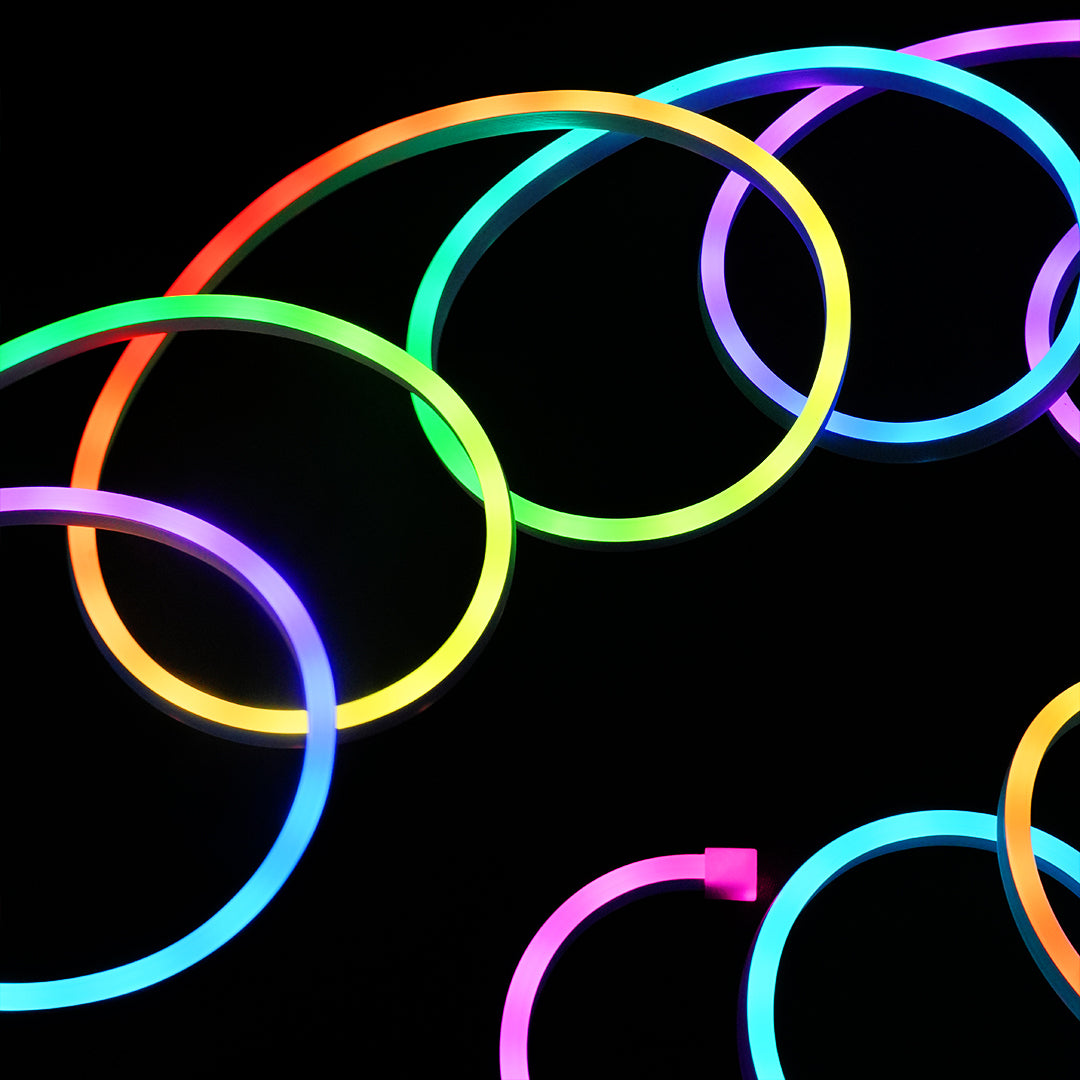
This makes silicone diffusers ideal for COB (Chip-on-Board) and RGBW LED strips, which produce multiple wavelengths of light.
🏙️ Real-World Applications
-
Architectural Lighting:
Create seamless wall washes, coves, and facades without visible diodes. -
Commercial Interiors:
Use for signage, display counters, and hospitality spaces for consistent color. -
Residential Use:
Perfect for kitchens, ceilings, staircases, and wardrobes — smooth lighting that elevates design. -
Creative Installations:
For bars, galleries, and events where curves, shapes, and flexibility matter as much as the glow.
⚙️ Choosing the Right Silicone Profile for Diffusion
|
Profile Type |
Diffusion Level |
Recommended LED Type |
Applications |
|
Top View (8mm–20mm) |
High |
SMD/COB strips |
Ceilings, under-cabinets |
|
Side View (8mm–17mm) |
Medium |
COB strips |
Curves, vertical edges |
|
Round / D-Shape (15mm–20mm) |
Very High |
RGB/RGBW strips |
Decorative, pendant lighting |
|
V-Shape / Corner (22mm–14mm) |
Medium |
SMD strips |
Wall junctions, display corners |
💡 Tip: The wider the silicone body, the smoother the diffusion — as light has more room to blend.
✅ Advantages of Silicone Light Diffusion
-
No visible LED dots
-
Smooth color blending (especially RGB/RGBW)
-
Uniform glow even on bends
-
Consistent output in hot, cold, or humid environments
-
No yellowing or cracking over time
⚠️ Common Mistakes to Avoid
-
Using narrow silicone profiles with high-density LEDs (may cause uneven light).
-
Not sealing end caps properly in outdoor setups.
-
Installing strips too far from the inner surface (reduces diffusion quality).
❓ FAQs
Q1: Does diffusion reduce brightness?
Slightly (5–10%), but it significantly improves visual comfort and aesthetics.
Q2: Can silicone diffusers handle heat from LEDs?
Yes. Silicone withstands temperatures up to 200°C, far beyond standard LED output.
Q3: How long do silicone LED diffusers last?
Over 30,000–50,000 hours with proper installation and cleaning.
Q4: Are silicone profiles better than neon flex lights?
Yes. They offer the same seamless glow but are customizable, cuttable, and more cost-effective.
Q5: Can I use COB LEDs in silicone profiles?
Absolutely. COB LEDs + Silicone = Ultra-smooth linear lighting.
💬 Final Thoughts
The science of light diffusion is where physics meets art — and silicone LED profiles are the perfect bridge between both.
Their ability to scatter, blend, and soften light transforms ordinary LED strips into luxurious, continuous lines of illumination.
Whether you’re designing architectural features, commercial interiors, or artistic lighting installations, silicone diffusers guarantee both technical precision and visual harmony — the hallmark of professional lighting design.
🔗 Internal Links
-
Related: Silicone vs. Aluminum Profiles (Blog #42)
-
Next: Smart Lighting Integration with Silicone Profiles (Blog #44)